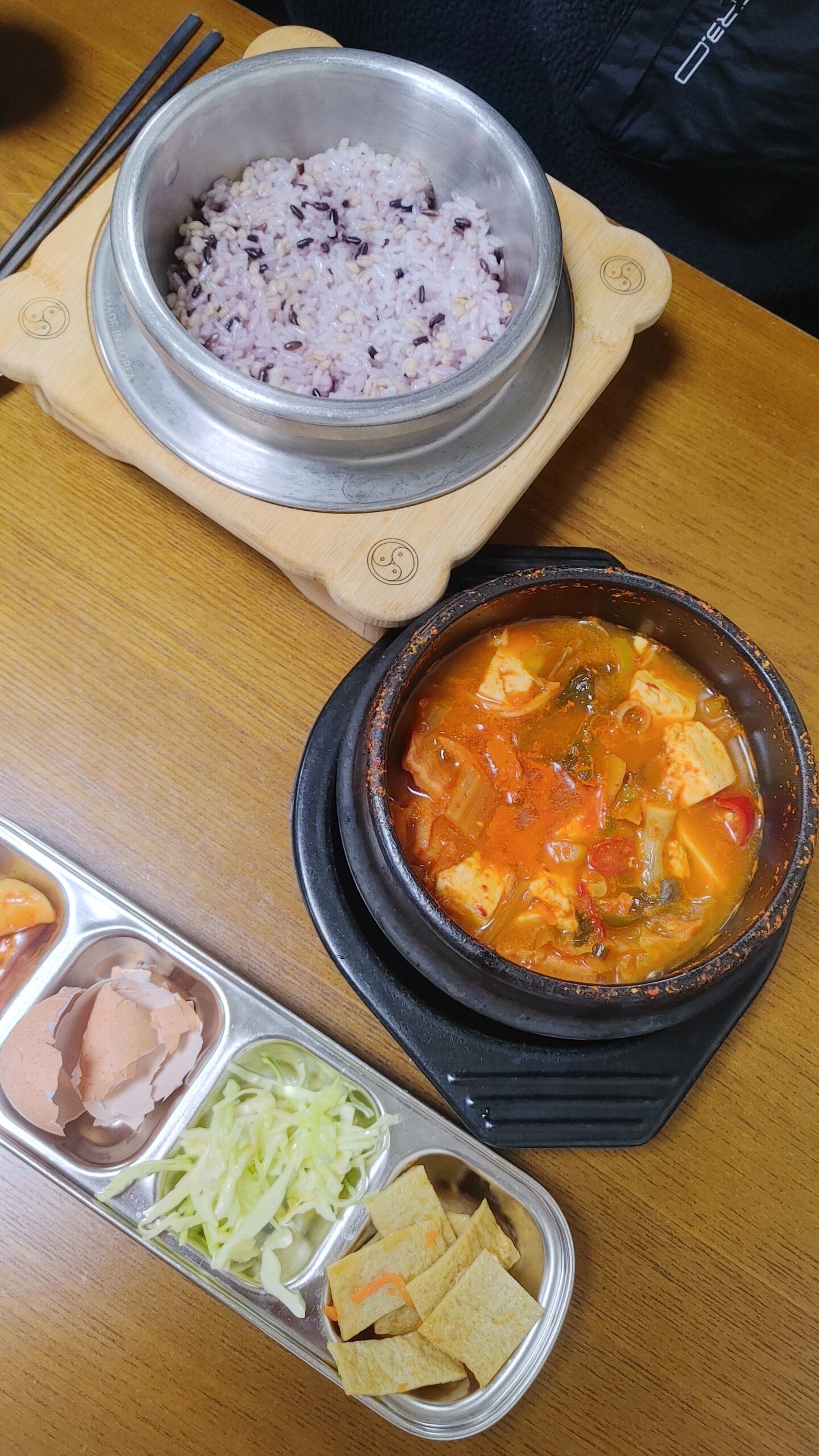
Korean food culture, Rice and Soup My Menory is basic
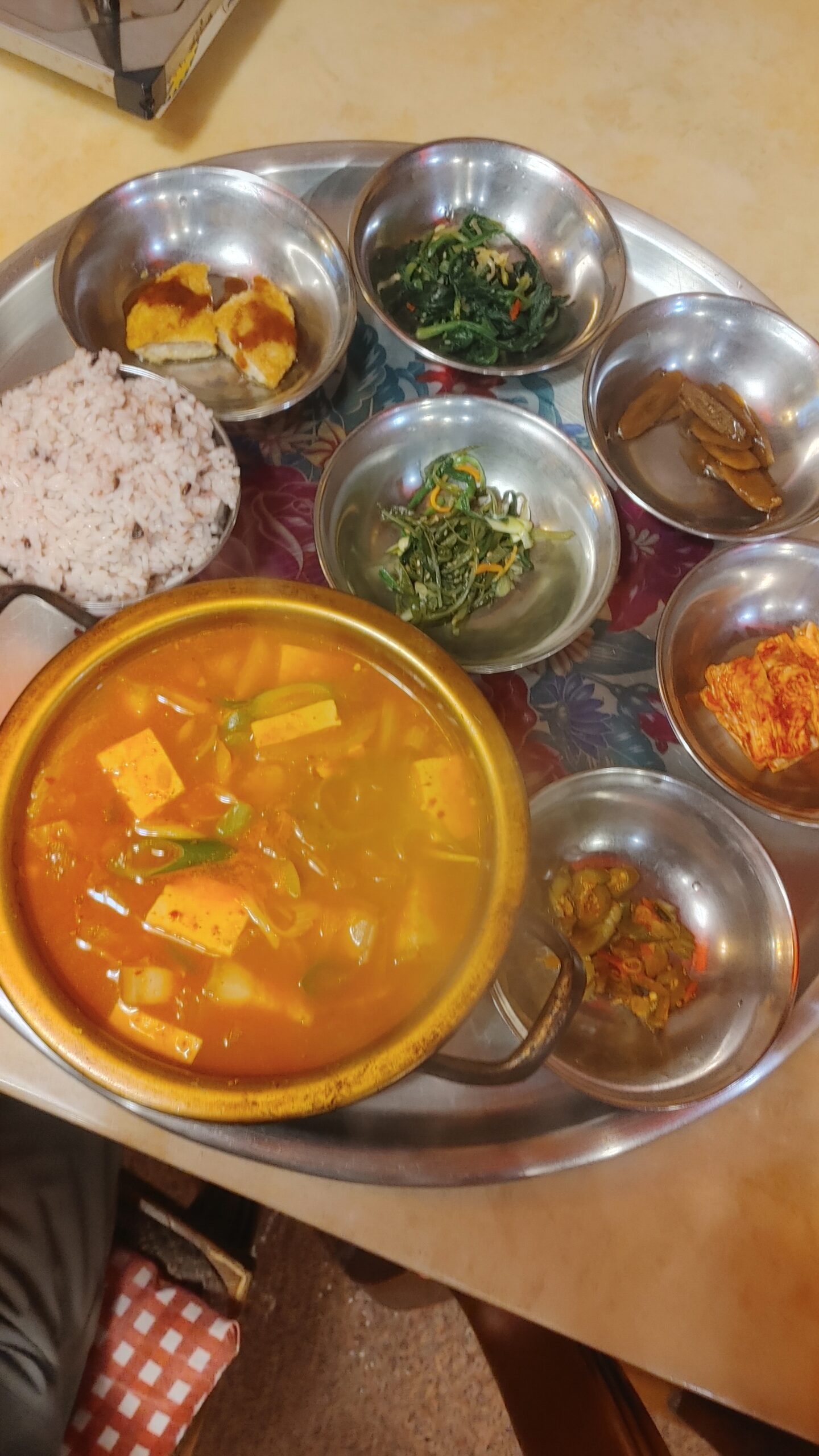
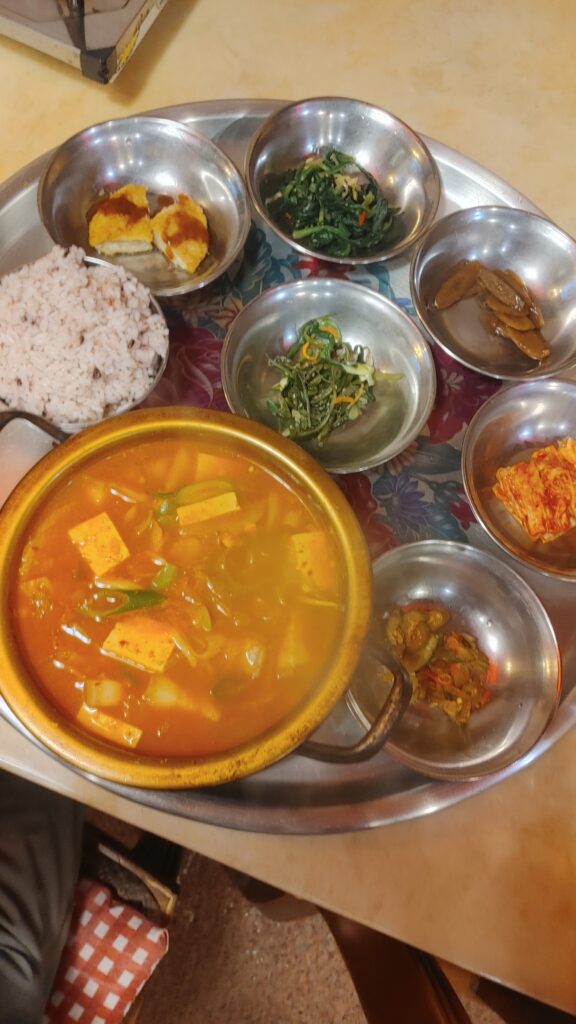
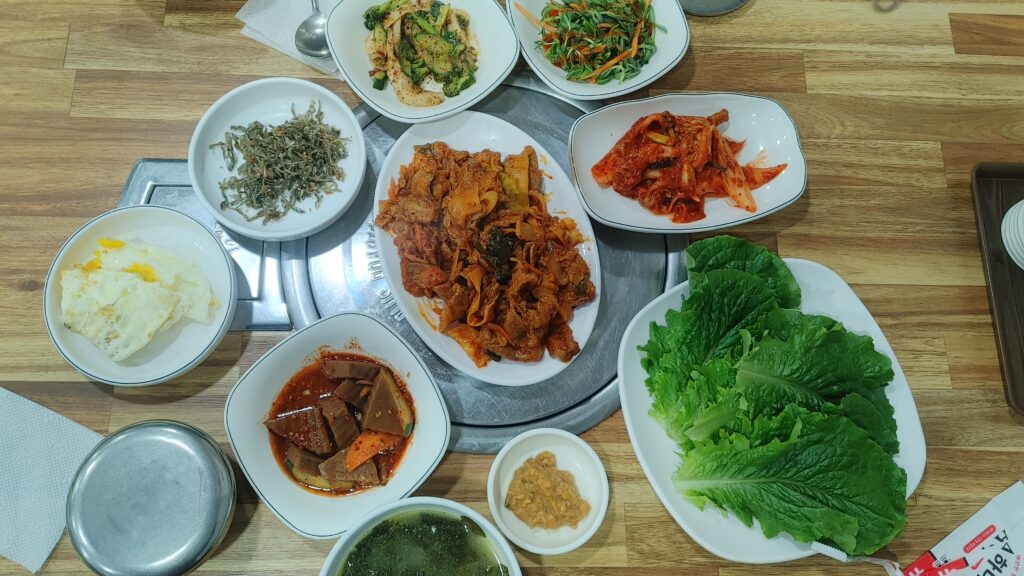
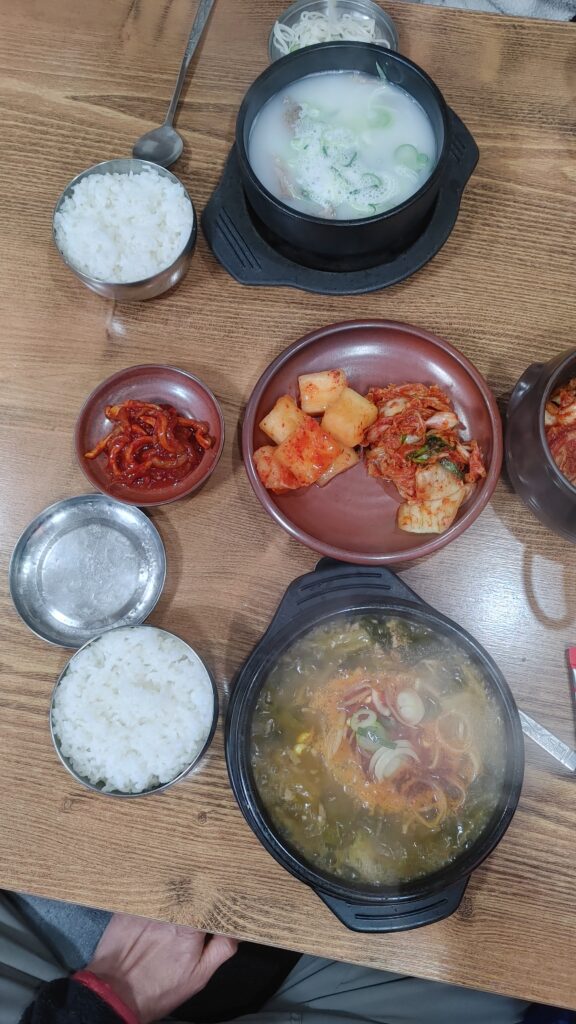
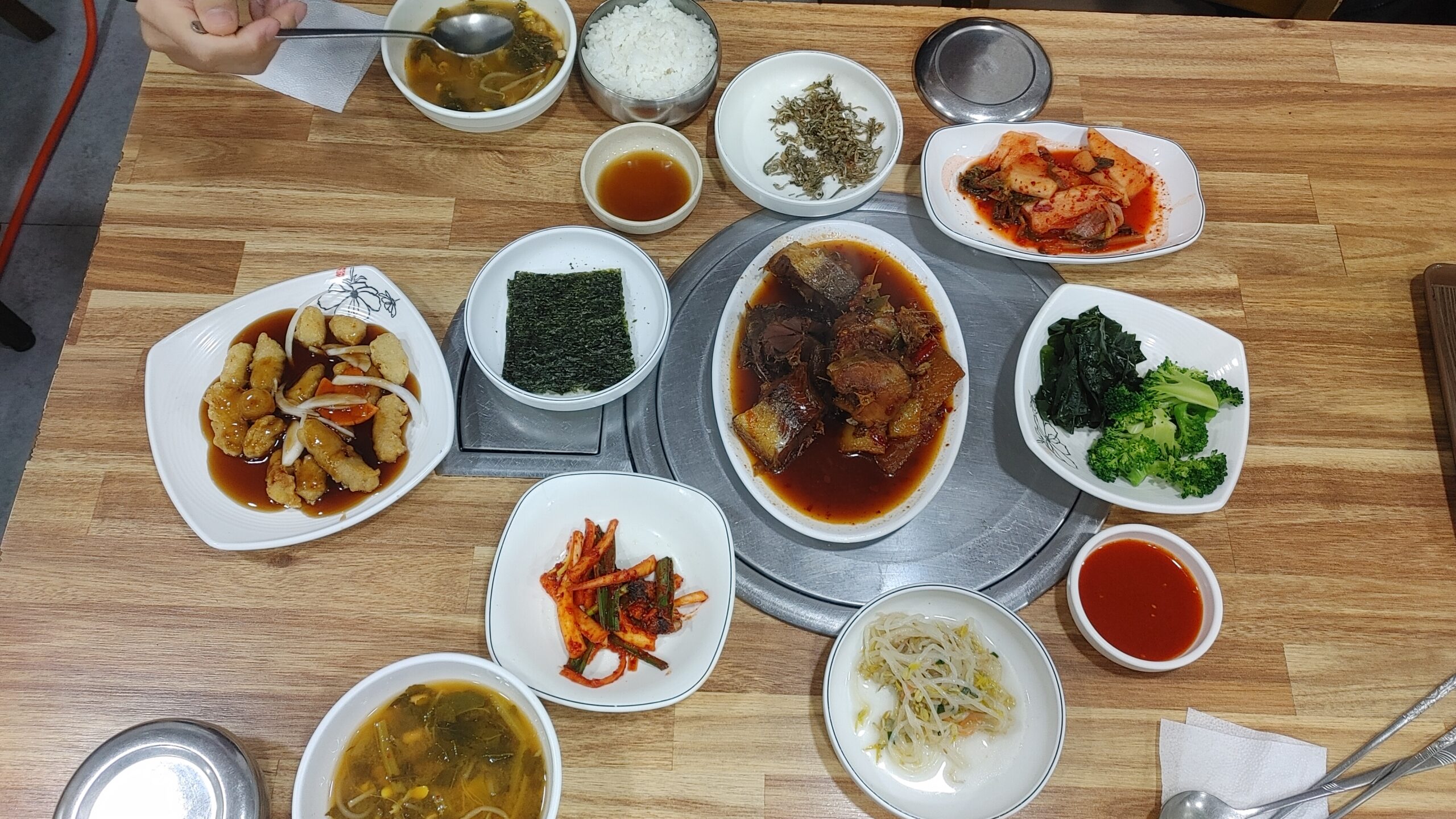
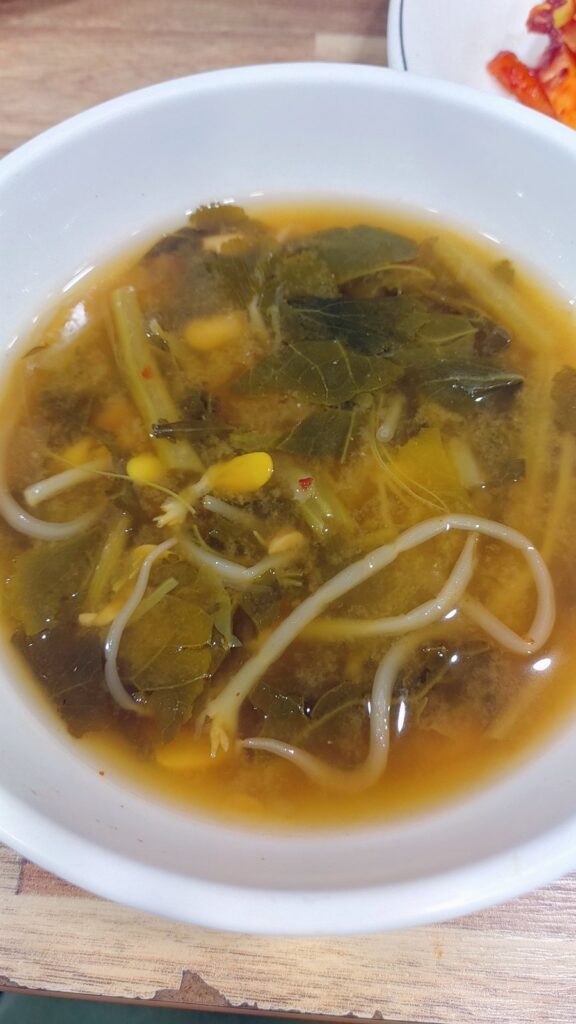
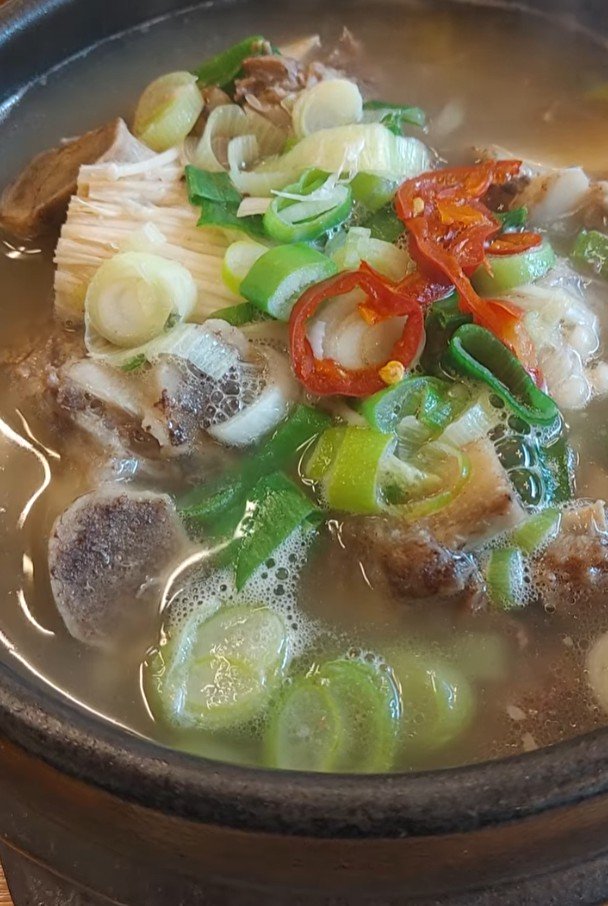
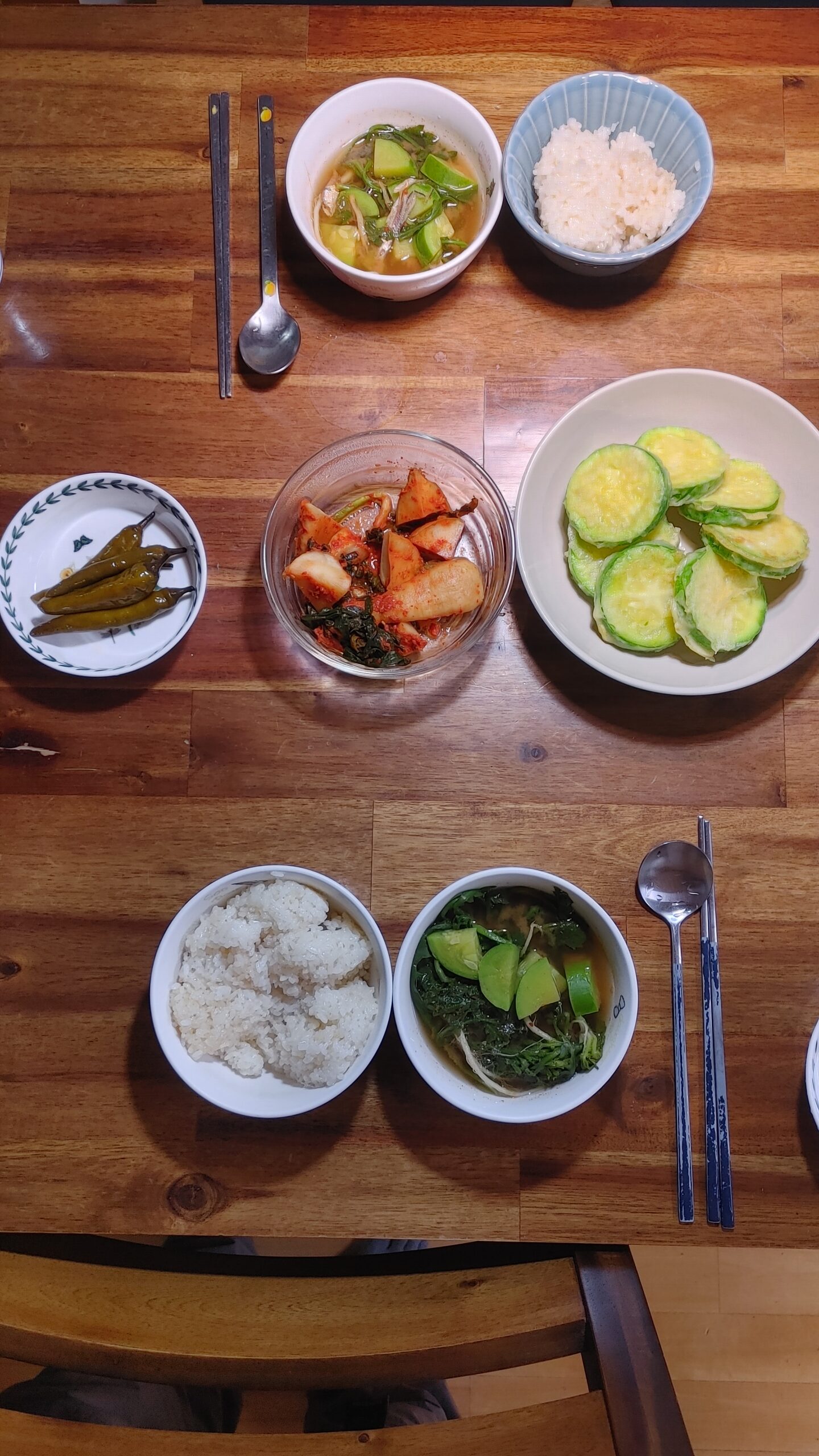
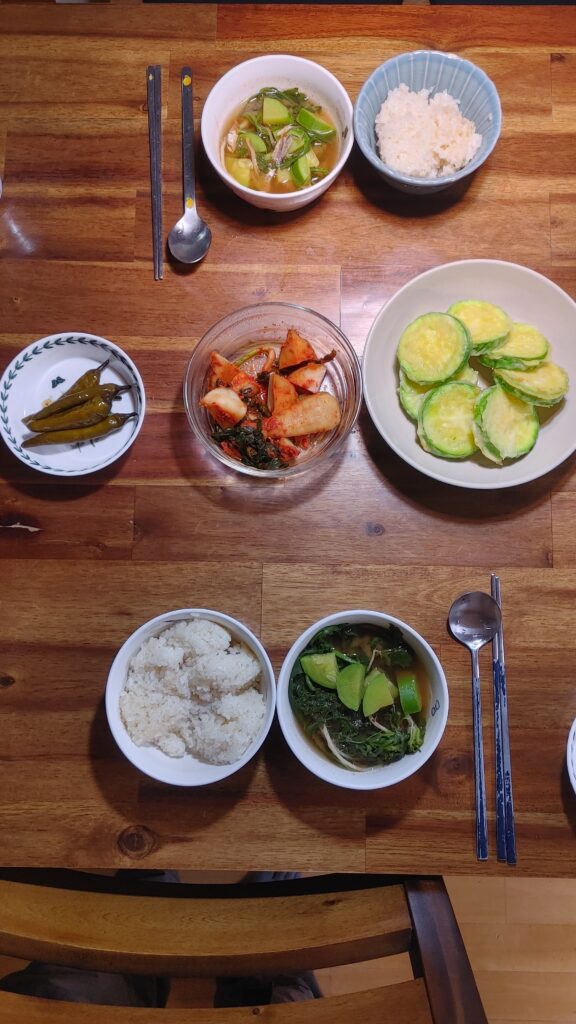
From my earliest childhood memories — family meals, ancestral rites, everyday dinners — my mother always prepared rice and soup. Traditionally, the Korean table is built around these two essentials. At minimum, there must be either a clear soup (guk) or a hearty stew (jjigae). That was simply the way my mother cooked, and it was the way her mother cooked before her.
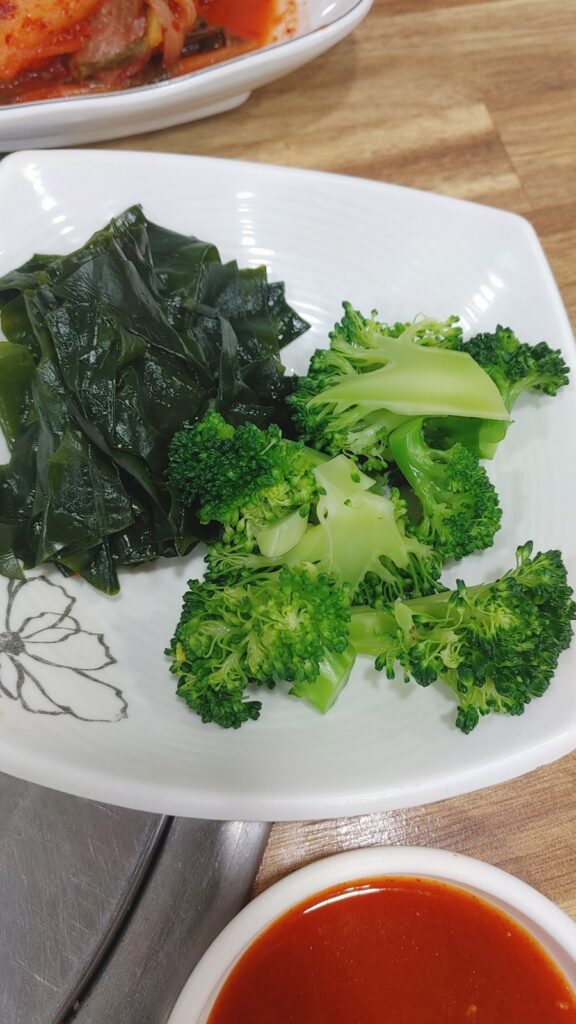
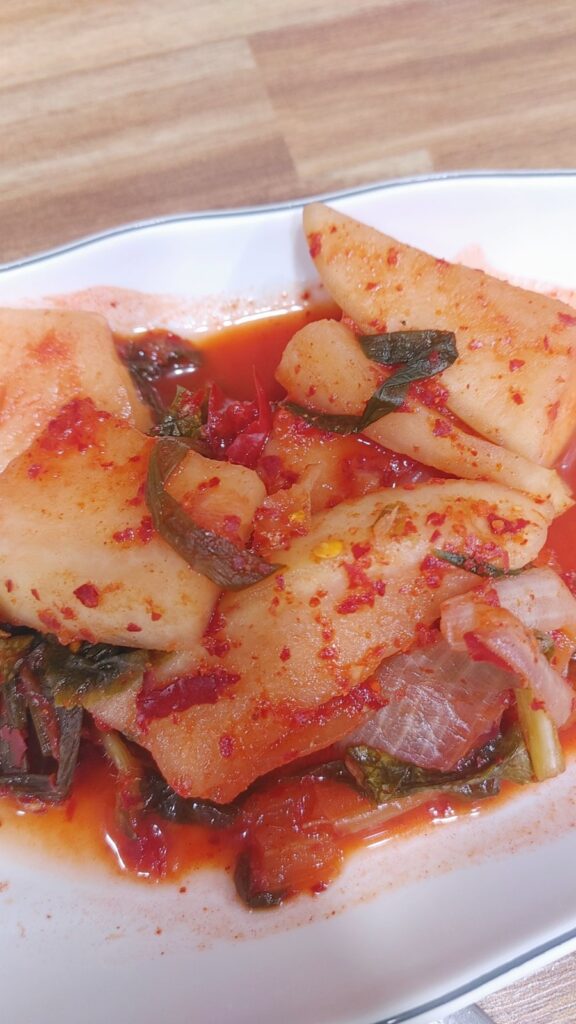
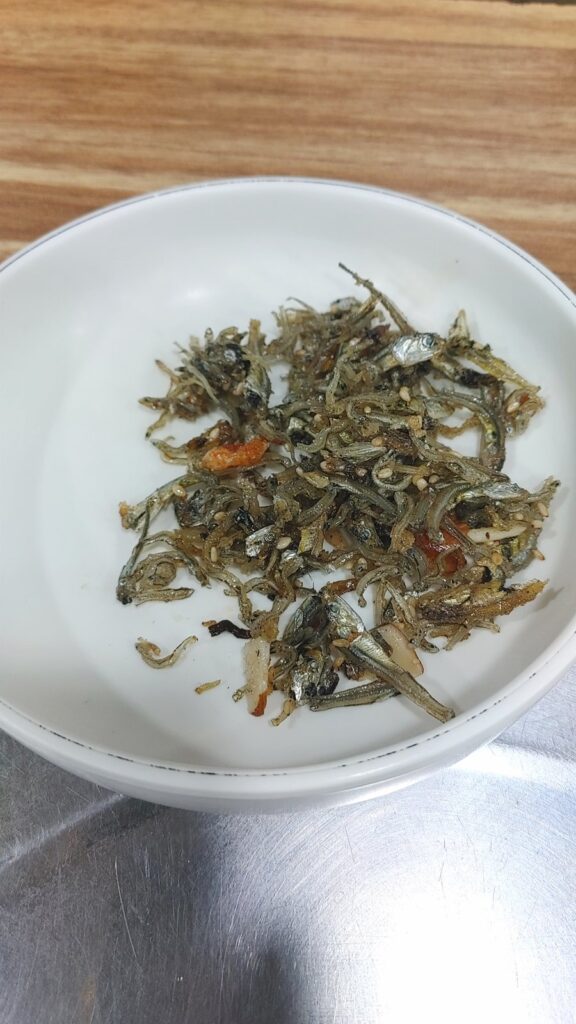
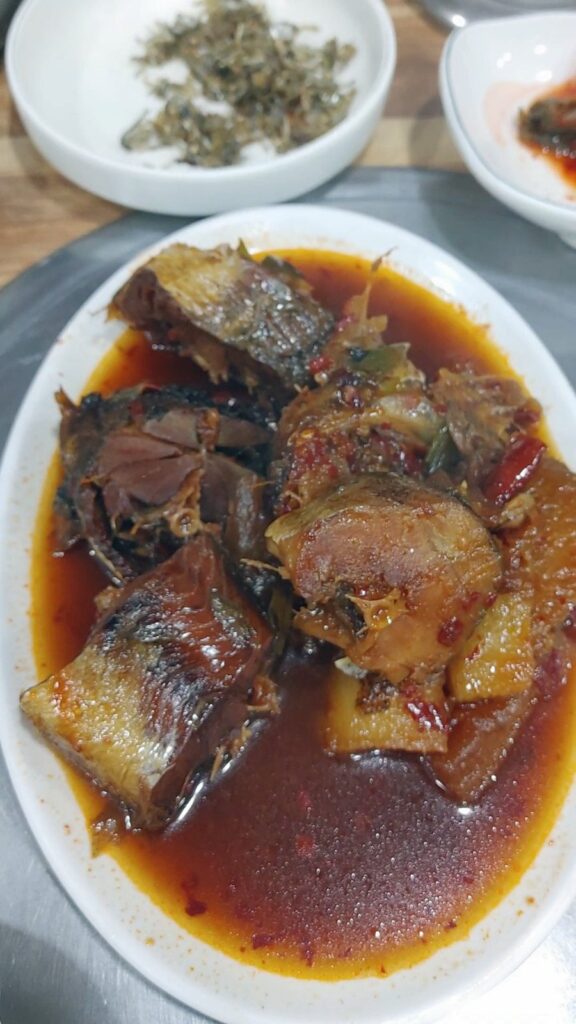
Alongside these come kimchi and an assortment of side dishes. Simply put, a Korean meal without broth feels strangely incomplete — even today, home cooks and restaurant chefs alike begin meal planning by asking themselves: what soup should I make?
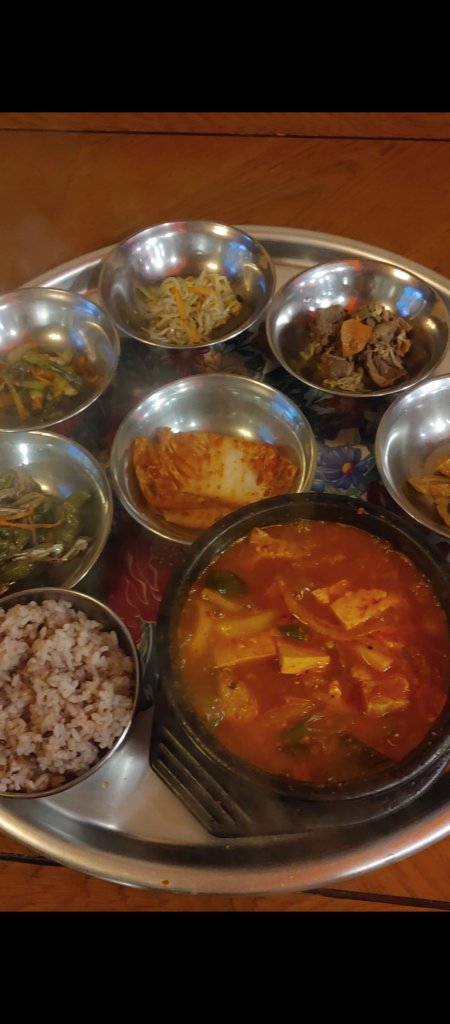
The importance of soup runs so deep in Korean culture that it even shaped the language. The expression “gungmul-do eopda” — literally “not even broth” — means having absolutely nothing left to offer. It signals the end of goodwill, the point where nothing remains between two people. In a single phrase, it captures total severance. That one idiom speaks volumes about just how central soup is to the Korean way of life — so much so that many Koreans today still say they simply cannot eat a meal without it.
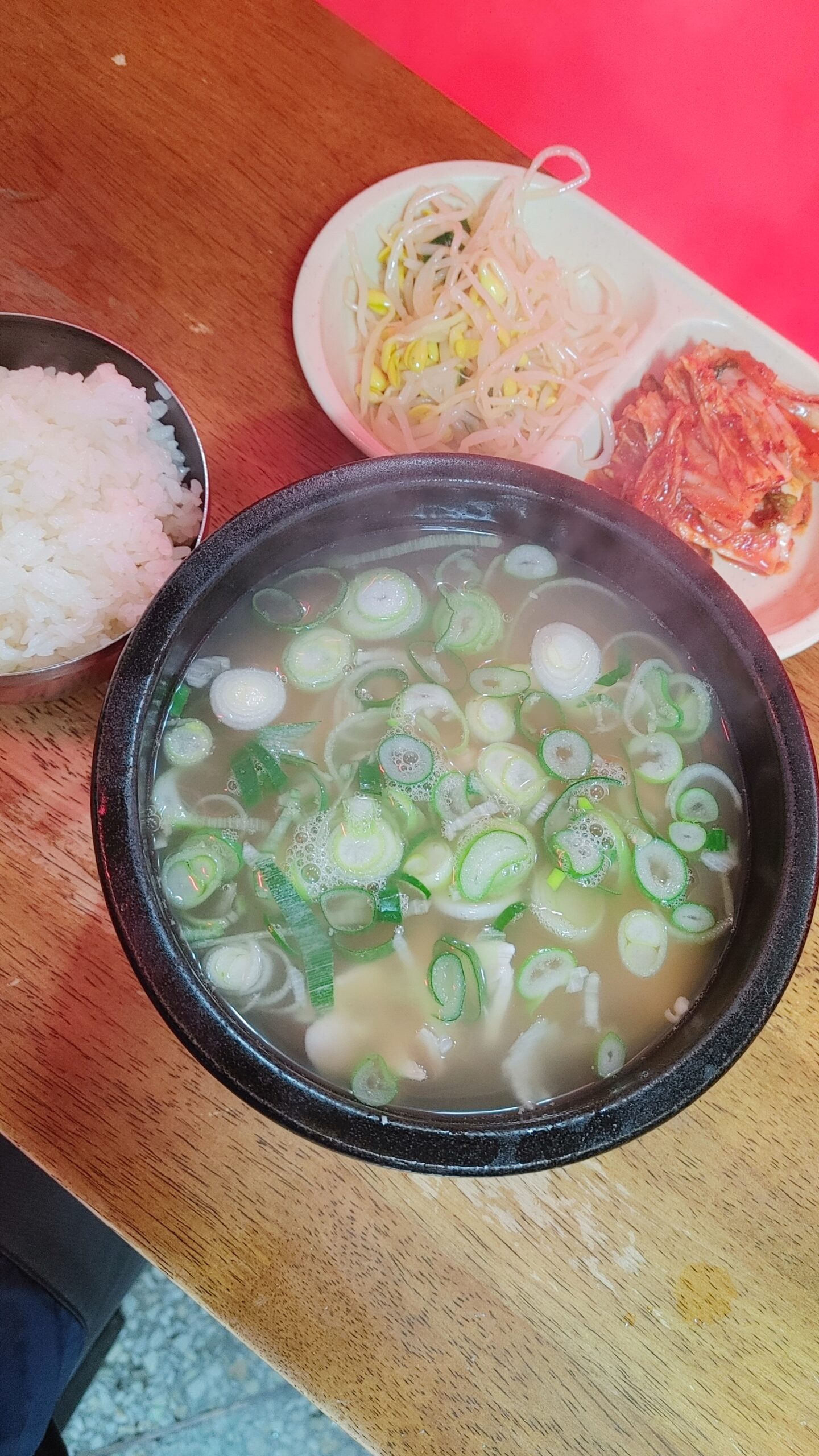
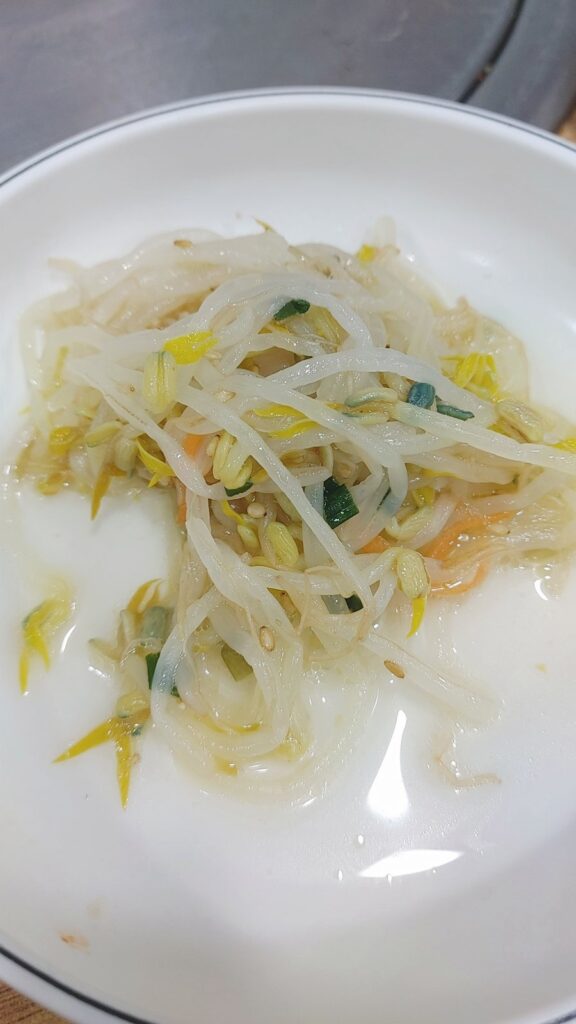
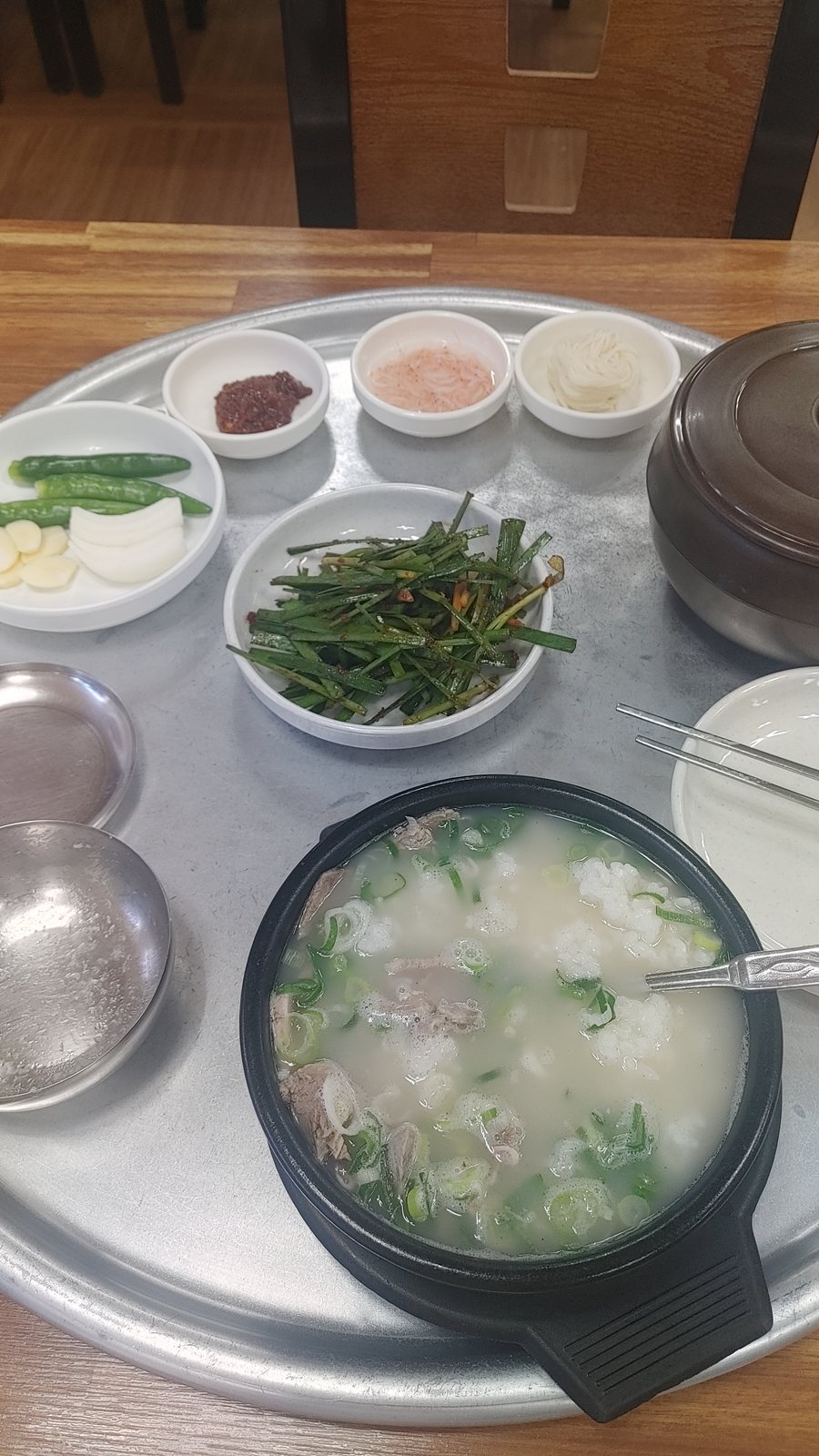
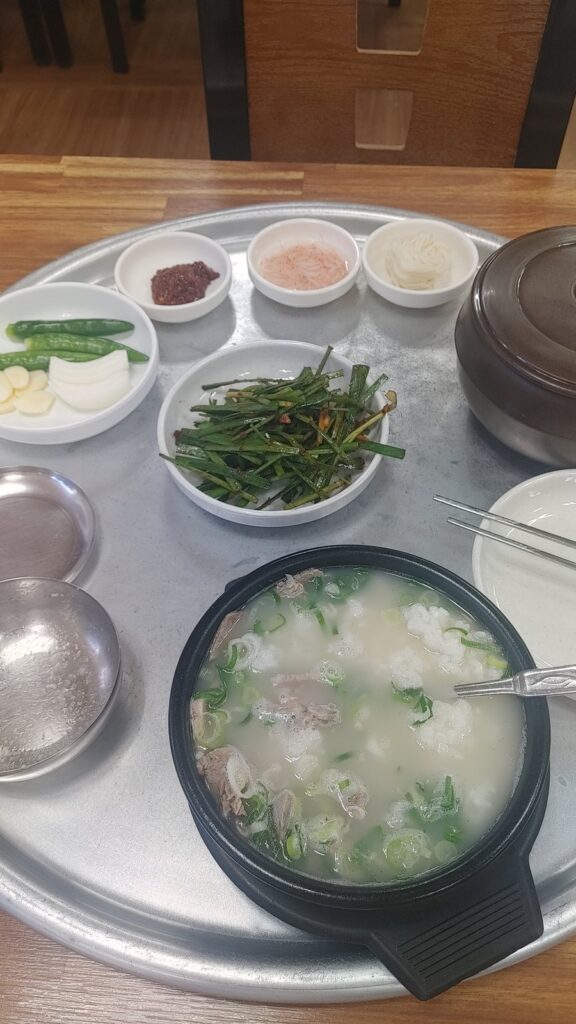
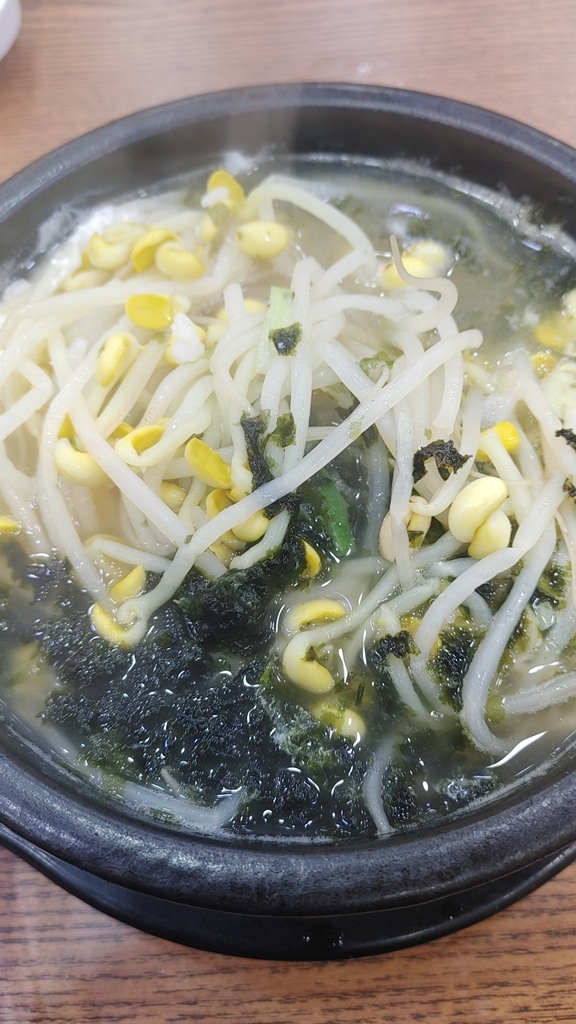
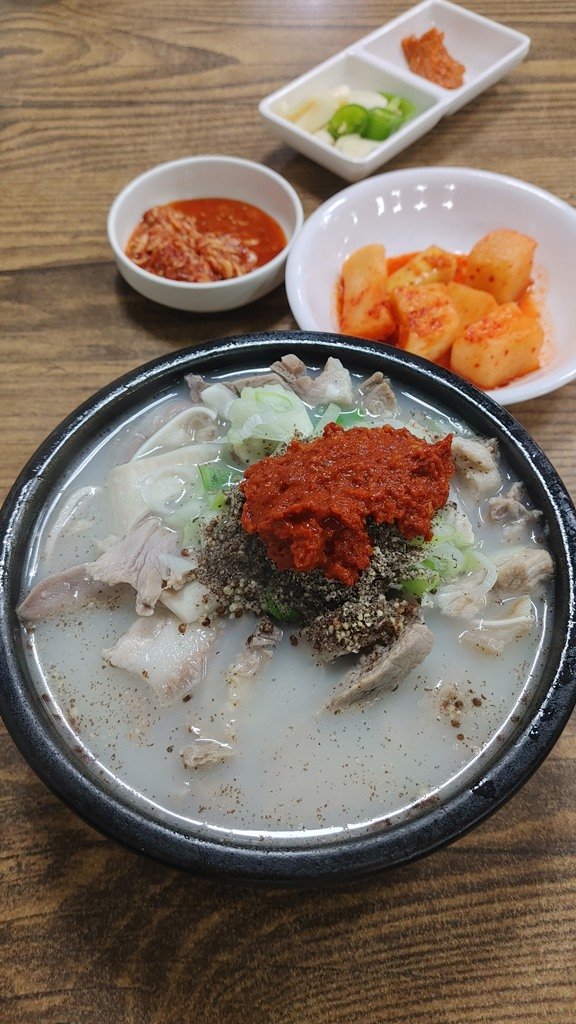
Perhaps because of this deep cultural affinity for broths and soups, Korean cuisine has developed an extraordinary variety of them. There are soups tied to special occasions: miyeokguk (seaweed soup) for birthdays, tteokguk (rice cake soup) for Lunar New Year, and torankuk (taro soup) for Chuseok. There are hangover soups like kongnamul-guk (bean sprout soup) and sundaeguk (blood sausage soup). And then there are the countless everyday soups enjoyed at the family table — too many to count. Every Korean has a personal favorite they’ve known since childhood. Mine, in my later years, is sundaeguk — unpretentious seasoning, a good balance of carbohydrates and protein, and easy on the wallet.
korean food culture : Is Soup Culture Truly a Defining Feature of Korean Food?
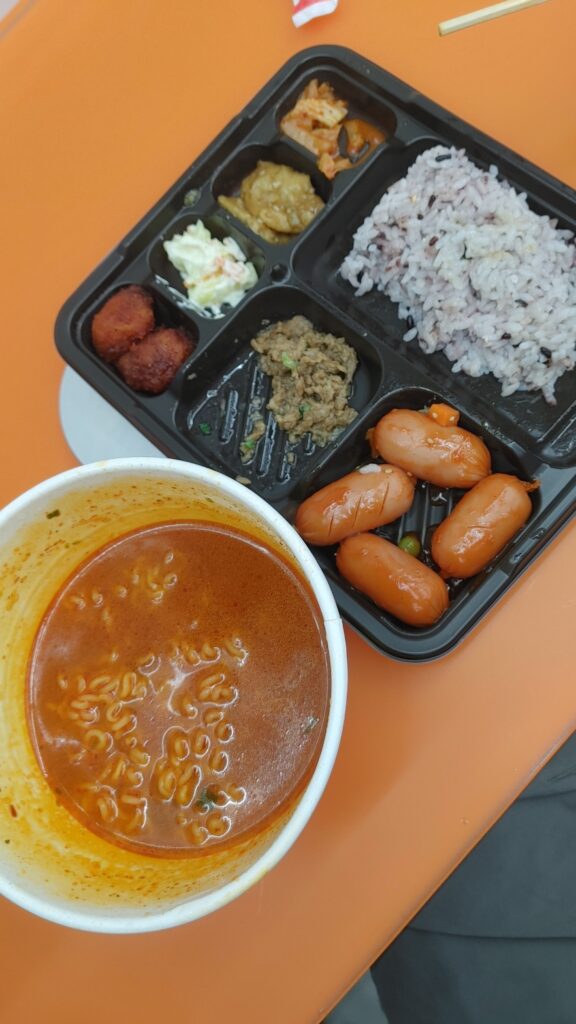
It’s worth pausing to think this through. Yes, Koreans love soup and broth-based dishes. Yes, Korean cuisine offers an extraordinary range of them. But does that alone make soup culture a defining characteristic of Korean food?
In Korean cooking, soup (guk) generally means water seasoned with a base — typically joseon ganjang (traditional Korean soy sauce) or salt — with a main ingredient added and simmered.
By that definition, soups aren’t unique to Korea. Western cuisines are full of them: thick soups, stews (stew), porridge, broth, consommé, chowder, and purée. Chinese and Japanese cuisines are equally rich in boiled and simmered dishes — tang in China, shiru in Japan. Even the cookware has evolved alongside these traditions; specialized pots of all sizes exist across cultures to accommodate everything from a single serving to a family feast.
So why do we still point to soup as something distinctly Korean?
What Makes Korean Soup Culture Different
The answer lies not in the soup itself, but in where it sits at the table.
Consider the traditional meal structures of each culture. China follows il-tang-samchae (一湯三菜): rice, one soup, three side dishes. Japan follows il-jeup-samchae (一汁三菜): the same structure. In both cases, soup is listed alongside the side dishes — it is one element among several.
Korea, however, follows il-sik-samchan (一食三饌): one meal with three side dishes. Notice that soup isn’t mentioned — because in Korean dining, soup isn’t counted as a side dish at all. It is simply assumed to be there, as inseparable from rice as a needle is from thread, or a fork from a knife.
While China and Japan treat rice and soup as distinct components of a meal, Korea treats them as a unified pair. Of course, Koreans don’t always manage to prepare soup — sometimes a meal is just rice with one or two side dishes. But the ideal, the default expectation, is that rice and soup arrive together. Whether eating at a restaurant or at home, the two belong together as one.
This isn’t simply about Koreans liking broth, or about there being many varieties of soup. It’s about a meal structure passed down from our ancestors, from our mothers’ mothers — a quiet cultural inheritance that shapes every table, every day.
Why Did This Soup Culture Develop?
A nation’s food culture is shaped by many forces working together — history, economy, geography, and climate all leave their mark.
At the most basic level, soup likely developed as a way to make food more enjoyable. As Korean cuisine evolved, soups and stews emerged both independently and as companions to other dishes.
Another reason: soup helped people eat more rice. It may sound odd to modern ears, but from a historical perspective, this makes perfect sense. Some have argued that Korean soup culture grew out of scarcity — that because the Korean peninsula is mountainous and arable land was limited, water was added to whatever ingredients were available to stretch meals further. However, Korea was not historically a chronically impoverished nation. And in practice, soup doesn’t reduce rice consumption; it actually encourages eating more of it. A meal with soup leads to more rice being eaten, not less. In that sense, soup was a food of abundance — a feature of refined, upper-class dining.
The more compelling reason for Korea’s flourishing soup culture may simply be the centrality of rice itself.
Korean food culture developed around rice. At the center of every meal sit rice and soup, with kimchi as a constant, surrounded by meat dishes and vegetable side dishes. Look closely, and you’ll notice that nearly every side dish exists to make that bowl of plain, unseasoned rice taste better and go further. The seasoning in side dishes isn’t excessive — a mother’s careful hand balances the salt so that one spoonful of rice paired with one bite of side dish creates just the right flavor. I know this firsthand: when I prepare meals for my own children, I always season the side dishes lightly, with exactly that balance in mind.
P.S. What should I make for the kids tonight? Trying to decide between side dishes or soup — a small daily dilemma that I suspect every parent in the world shares.