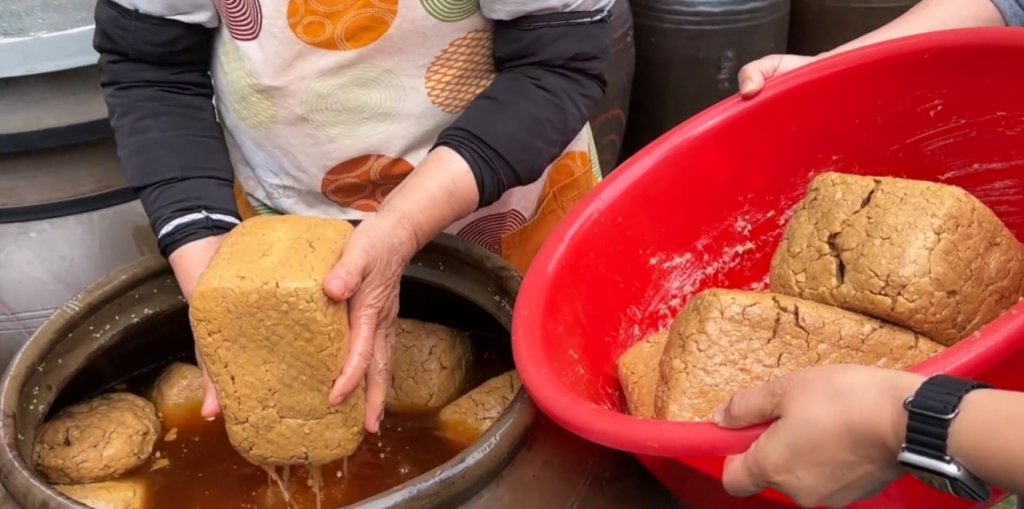
Are you looking for authentic Korean cuisine in Korea? From a Korean perspective, hanjeongsik represents the closest thing to a truly traditional Korean meal. When meeting friends for a special occasion or craving the flavors of childhood meals amidst modern dining options, Koreans turn to restaurants with “jeongsik” in their name. In Korea, the word “jeongsik” evokes images of various side dishes and a main course served together in harmony.
Hanjeongsik is more than just a meal—it’s a culinary experience that connects modern Koreans with their traditional food heritage. This dining style emphasizes natural ingredients, balanced nutrition, and the philosophy of letting ingredients shine in their purest form.
Understanding Hanjeongsik: Korea’s Traditional Full-Course Meal
In Korean, “han” (한) means Korean, and “jeongsik” (정식) means a set meal or full-course meal(Korean version) . Together, hanjeongsik refers to a traditional Korean set meal featuring multiple dishes served together. Most side dishes (banchan) are prepared Korean-style, using traditional cooking methods and ingredients.
Unlike modern Korean fusion dishes, authentic hanjeongsik typically excludes ingredients that were imported after the 2010s, such as chicken (Western-style fried chicken), tteokbokki made with newer ingredients, or pasta. However, the menu and banchan composition vary by restaurant, allowing chefs to showcase their unique interpretation of tradition.
What Makes Hanjeongsik Special
The biggest difference between hanjeongsik and other Korean meal options is the number of side dishes and the reduced use of sugar in seasoning. Hanjeongsik restaurants prioritize:
- Natural ingredients: Fresh vegetables, quality meats, and Korean-made sauces
- Ingredient-focused flavors: Dishes showcase the natural taste of ingredients rather than heavy seasoning
- Minimal refined sugar: When sweetness is needed, restaurants use oligosaccharides, honey, or grain syrup (jocheong) instead of white sugar
- Balance and variety: Multiple dishes provide nutritional balance and diverse flavors
The result is food where you can truly taste the natural flavors of each ingredient. If you detect sweetness, it’s likely from natural sweeteners like honey or grain syrup rather than refined sugar.
The Evolution of Modern Hanjeongsik
Today’s hanjeongsik represents a modern interpretation of traditional Korean royal court cuisine (bansang charim). The meal structure has evolved to match contemporary dining preferences while maintaining its traditional essence.
Typical Hanjeongsik Course Structure
Modern hanjeongsik is served in courses, similar to Western fine dining:
- Appetizer (jeonchae): Porridge (juk) or salad
- Main course (juyo yori): Braised short ribs (galbijjim), grilled fish, or specialty dishes
- Meal (siksa): Rice, soup, and various banchan
- Dessert (husik): Traditional tea and seasonal fruits
The exact composition varies by price point—higher-priced options feature more elaborate main courses and a greater variety of banchan.
What’s on the Table?
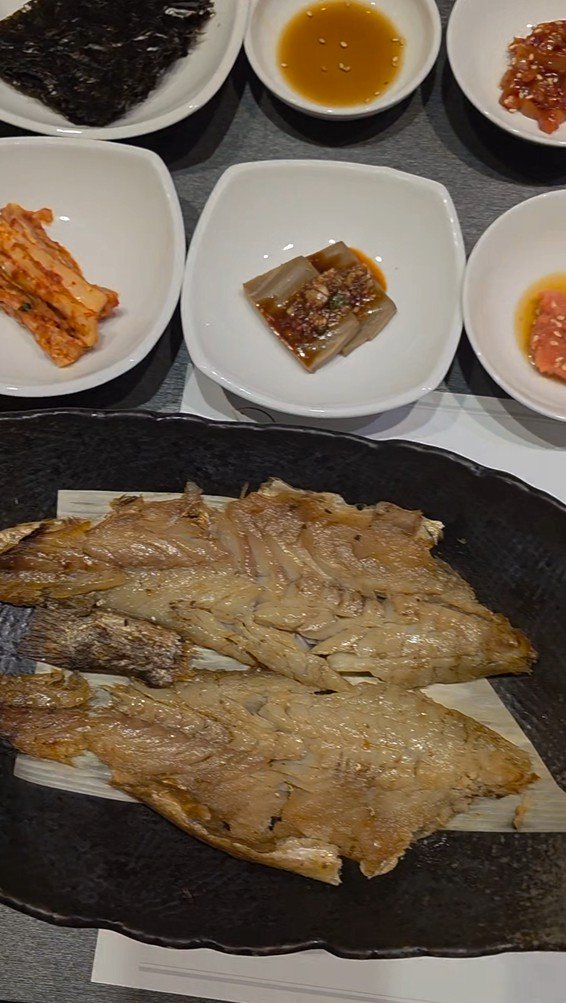
I had a set meal of barley gulbi at a friends’ gathering today.
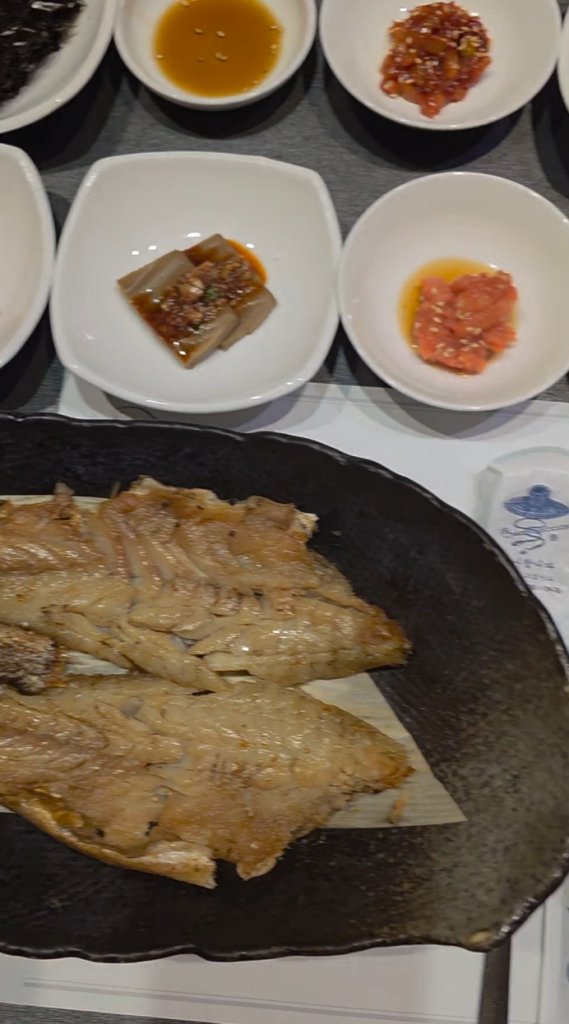
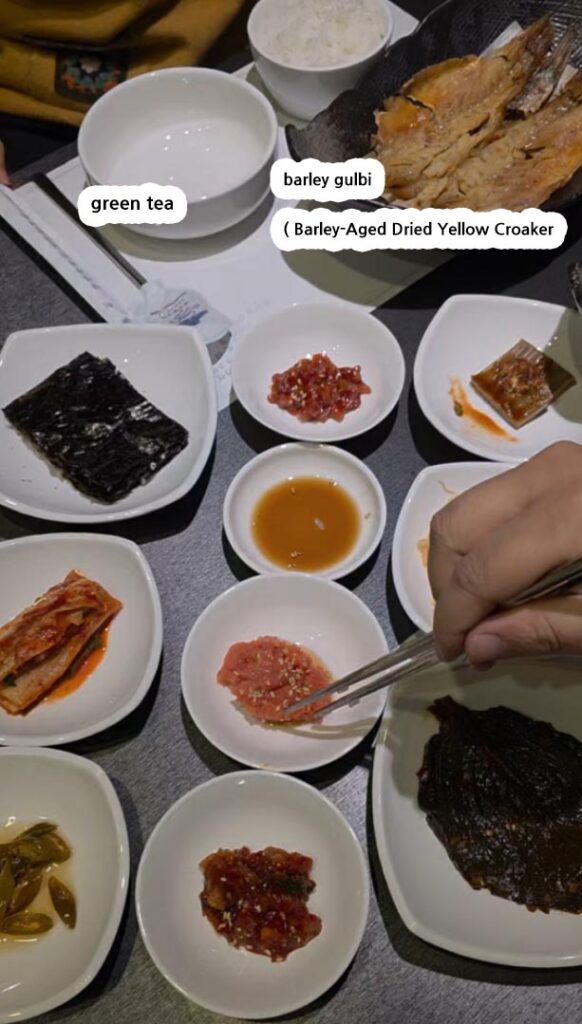
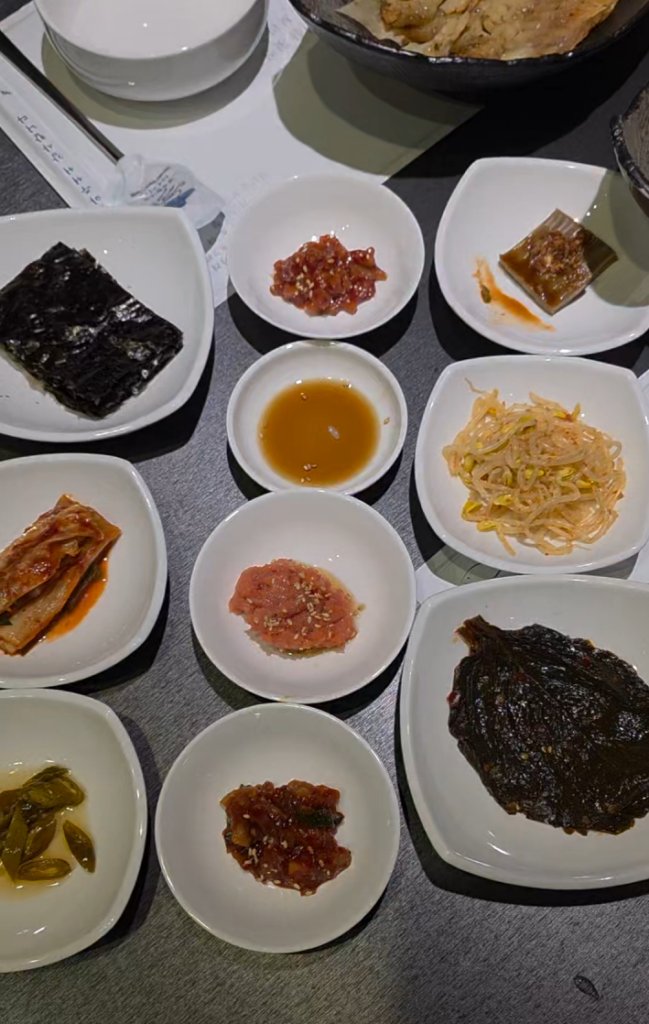
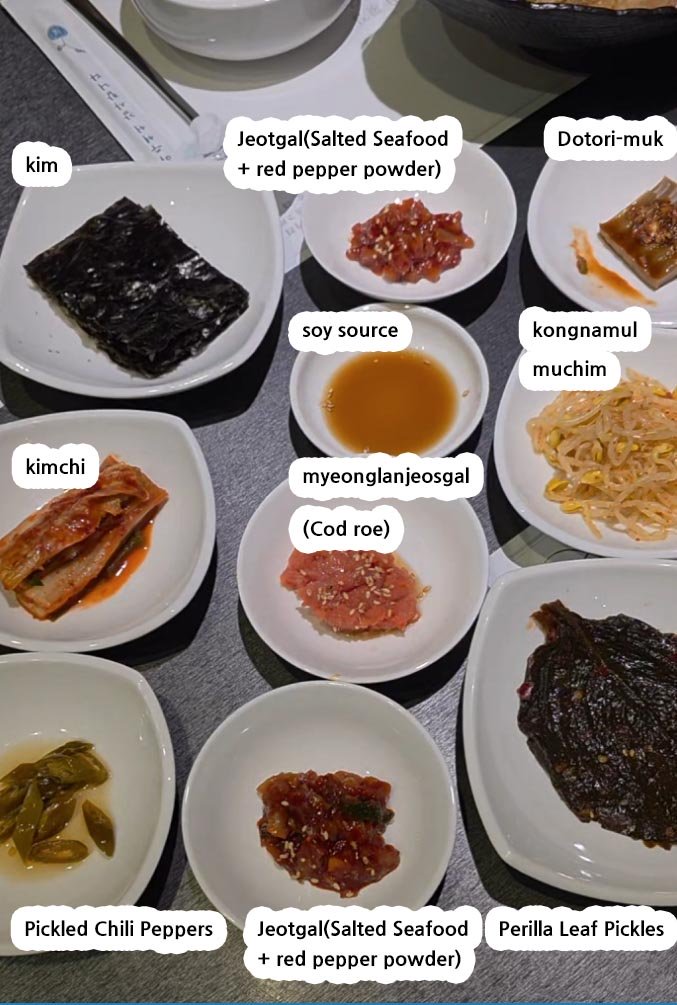
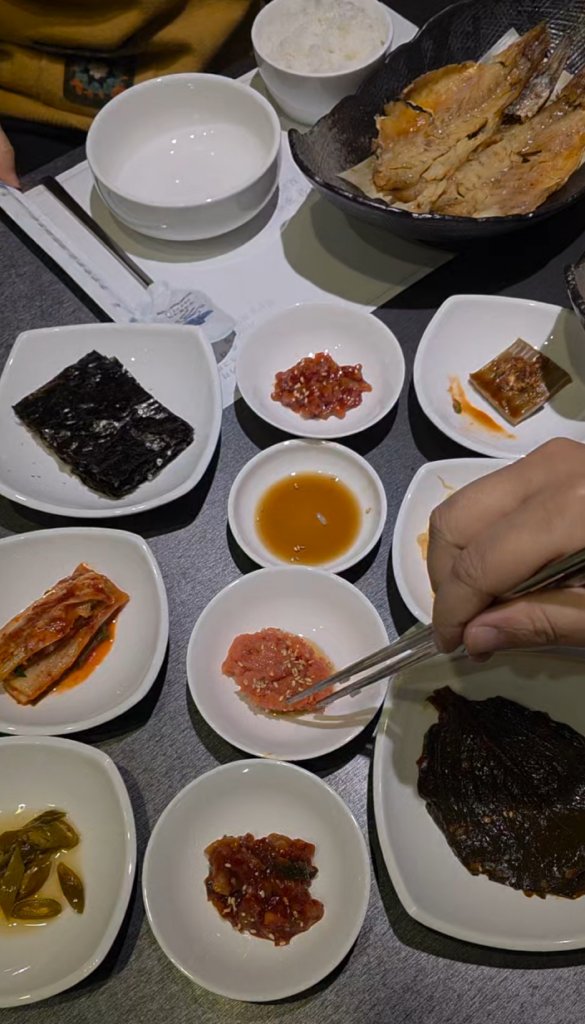
A typical hanjeongsik table is impressively abundant. Depending on the restaurant, you’ll receive:
- Banchan (side dishes): Minimum 4-10 different dishes
- Main course: Galbijjim (braised short ribs), grilled fish, or specialty dishes depending on the restaurant’s focus
- Rice and soup: Freshly cooked rice and traditional Korean soup
- Condiments: Various kimchis, pickled vegetables, and fermented sauces
Pro tip: When visiting a hanjeongsik restaurant, pay attention to the restaurant’s name. For example, “Godeungeo Hanjeongsik” (mackerel hanjeongsik) indicates that mackerel is their specialty main course. This helps you choose the right restaurant for your preferences.
Traditional Hanjeongsik Composition
Traditionally, hanjeongsik emphasizes nutritional balance and harmony through diverse ingredients:
- Proteins: Meat and fish prepared in various ways
- Vegetables: Seasonal namul (seasoned vegetables)
- Fermented foods: Different varieties of kimchi
- Minimum variety: At least 6 different banchan
Traditional Serving Order
The classic hanjeongsik follows this sequence:
- Juk (porridge) or mul-kimchi (water kimchi): Light starters to prepare the palate
- Main dishes: Grilled (gui), braised (jorim), steamed (jjim), or pan-fried (jeon) dishes
- Meal: Banchan, soup (guk), and rice (bap)
- Dessert: Traditional tea and fresh fruit
This is the structure you’ll find at completely traditional Korean restaurants. However, if you visit hanjeongsik restaurants throughout Korea today, expect the banchan selection to vary widely between establishments—each restaurant has its own unique combination.
What Does Hanjeongsik Cost?
Hanjeongsik pricing typically ranges from ₩20,000 to ₩100,000 per person (approximately $15-$75 USD). Menus list prices on a per-person basis.
Sample Price Points
Budget-friendly (₩20,000-₩30,000 / $15-$23):
- Godeungeo jeongsik (mackerel set meal)
- Basic banchan selection (6-8 dishes)
- Standard portions
Mid-range (₩30,000-₩50,000 / $23-$38):
- Premium fish or meat main courses
- Expanded banchan selection (9-12 dishes)
- Better quality ingredients
Premium (₩50,000-₩100,000 / $38-$75):
- Specialty main courses (ganjang gejang – soy sauce marinated crab, premium galbi)
- Extensive banchan variety (12+ dishes)
- Top-quality ingredients
- Elegant private dining rooms
Hotel restaurants: Even higher prices, often ₩100,000+ per person
For most Koreans, including myself (age 50), ₩30,000 per person is a common price point for a satisfying hanjeongsik experience.
Real Hanjeongsik Experience: Mackerel Set Meal
Yesterday, I attended a business meeting at a mackerel hanjeongsik restaurant. Here’s exactly what was served:
Main course: 1 whole grilled mackerel (godeungeo gui) Accompaniments:
- Steamed rice (bap)
- Soup (guk)
- 9 different banchan including:
- Various kimchis
- Pickled vegetables (jangajji)
- Seasoned seaweed (gim)
- Several types of jeotgal (salted fermented seafood)
Total cost: Approximately $30 USD per person
Each person receives their own main course and individual portions of banchan—everything is prepared separately for each diner, not shared family-style.
When Do Koreans Choose Hanjeongsik?
Hanjeongsik falls on the expensive side of Korean dining options, so it’s typically reserved for special occasions and important meetings.
Common Occasions for Hanjeongsik
Business meetings: When you need to impress clients or partners Family gatherings: Celebrations, holidays, or reunions Special occasions: Birthdays, anniversaries, or achievements Formal introductions: Meeting your partner’s family (sanggyeonrye) Entertaining visitors: Taking out-of-town guests for an authentic Korean experience
In my neighborhood, the local hanjeongsik restaurant specializes in:
- Main courses: Tteokgalbi (grilled short rib patties), galbijjim (braised short ribs), borigulbi (dried yellow croaker), ganjang gejang (soy sauce marinated crab)
- Banchan: Japchae (glass noodles), various namul (seasoned vegetables), jeon (savory pancakes), multiple kimchi varieties
Importantly, most hanjeongsik restaurants add little to no refined sugar in their banchan. If sugar is used at all, it’s in very minimal amounts, maintaining the philosophy of natural flavors.
Hanjeongsik for Formal Family Meetings (Sanggyeonrye)
When I first met my wife’s family and we held our sanggyeonrye (the formal meeting of both families before marriage), we chose a hanjeongsik restaurant. This tradition continues today because hanjeongsik provides:
Appropriate atmosphere:
- Elegant but not overly formal
- Private dining rooms available
- Quiet environment for conversation
Traditional values:
- Represents Korean cultural heritage
- Shows respect through food quality
- Comfortable setting for older generations
Practical benefits:
- Everyone can enjoy the variety
- No need to order individually
- Impressive presentation
Sanggyeonrye Hanjeongsik Pricing
For these important family meetings, expect to pay:
- Standard restaurants: ₩30,000-₩100,000 per person
- Hotel restaurants: Higher rates, often ₩100,000+
My personal preference is around ₩30,000 per person, which provides excellent quality without being excessive.
Hanjeongsik vs. Popular Korean Food Abroad
At age 50, I’ve observed how Korean food is perceived internationally. Abroad, Korean cuisine is mostly known for:
- Fried chicken (chikin)
- Bibimbap
- Samgyetang (ginseng chicken soup)
- Bulgogi
- Galbi (Korean BBQ ribs)
These dishes are delicious, and my family enjoys them several times a month at home. However, they represent only a small slice of Korean culinary tradition.
Hanjeongsik offers something different—an experience that showcases:
- Traditional cooking methods
- Seasonal, natural ingredients
- Balanced nutrition
- The full breadth of Korean cuisine
- Minimal processing and artificial ingredients
Why Choose Hanjeongsik: Perfect for Health-Conscious Diners
If you’re looking for authentic Korean food with health benefits, hanjeongsik is the ideal choice.
Health Benefits
Natural ingredients:
- Minimal processed foods
- Fresh seasonal vegetables
- Quality proteins
- Traditional fermented foods
Balanced nutrition:
- Variety ensures diverse nutrients
- Appropriate portion sizes
- Natural seasonings
- Fermented foods for gut health
Diet-friendly:
- Low in refined sugar
- Emphasis on vegetables
- Lean proteins available
- Natural cooking methods (steaming, grilling, braising)
Clean flavors:
- Taste ingredients in their natural state
- Less reliance on heavy seasoning
- No overwhelming spiciness
- Subtle, complex flavors
Who Should Try Hanjeongsik?
Hanjeongsik is perfect if you:
- Want to experience authentic Korean cuisine
- Prefer natural flavors over heavily seasoned food
- Are health-conscious or following a diet
- Want to avoid overly spicy, sweet, or salty dishes
- Appreciate the natural taste and aroma of ingredients
- Seek a balanced, nutritious meal
- Want to understand traditional Korean food culture
Finding Hanjeongsik Restaurants
When searching for hanjeongsik restaurants in Korea:
Look for these names:
- [Specialty] + Hanjeongsik (e.g., “Godeungeo Hanjeongsik” for mackerel specialty)
- [Region] + Hanjeongsik (e.g., “Jeonju Hanjeongsik” for Jeonju-style)
- Traditional Korean Restaurant (전통 한식당)
What to expect:
- Per-person pricing clearly listed
- Private rooms available for groups
- Reservation recommended for weekends
- Menu may be in Korean only (staff usually helpful)
Popular areas for hanjeongsik in Seoul:
- Insadong: Traditional atmosphere, tourist-friendly
- Gangnam: Modern interpretations, higher prices
- Jongno: Classic old-school restaurants
- Hongdae: Modern fusion approaches
Tips for Your First Hanjeongsik Experience
Ordering:
- Ask about the restaurant’s specialty main course
- Price per person is clearly marked
- Don’t be shy about asking for recommendations
- Consider dietary restrictions when ordering
Dining etiquette:
- Don’t rush—hanjeongsik is meant to be savored
- Try a little of each banchan
- Refills on banchan are usually complimentary
- Rice and soup typically come with refills
What to expect:
- Courses served sequentially
- Individual portions of main course
- Shared banchan table (some restaurants serve individual portions)
- Final tea and fruit
The Cultural Significance of Hanjeongsik
Hanjeongsik represents more than just food—it’s a window into Korean values:
Respect for ingredients: Using quality ingredients prepared simply Balance: Nutritional balance through variety Seasonality: Dishes change with the seasons Hospitality: Abundant food shows care for guests Tradition: Maintaining historical cooking methods Health: Food as medicine philosophy
For Koreans, choosing hanjeongsik for special occasions isn’t just about the food—it’s about honoring tradition, showing respect, and creating meaningful shared experiences around the table.
Conclusion: Experience Korea’s Culinary Heritage
If you’re seeking the most authentic Korean dining experience, hanjeongsik offers an unmatched window into Korea’s rich food culture. Unlike the Korean dishes popular abroad—chicken, bibimbap, and bulgogi—hanjeongsik presents the full spectrum of Korean cuisine in its most traditional and refined form.
With its emphasis on natural ingredients, minimal refined sugar, balanced nutrition, and the pure flavors of each component, hanjeongsik is perfect for health-conscious diners and anyone wanting to taste Korean food as it’s been enjoyed for centuries.
Whether you’re in Korea for business or pleasure, treating yourself to a hanjeongsik meal at a traditional restaurant is an investment in experiencing Korean culture at its most delicious. And at around ₩30,000 per person, it’s an accessible luxury that provides far more than just a meal—it’s a cultural education on a plate.
For reference, I’ve only listed the Korean cuisine I’ve tried. If you visit Korea, you’ll find a wide variety of Korean cuisine. For world-famous Korean cuisines, search for bulgogi Korean cuisine, galbi Korean cuisine, and croaker Korean cuisine by name. Japchae is served as a side dish. If japchae is served as a side dish after a Korean cuisine meal, you can get refills. In other words, if you ask for more japchae, it may be free, or in some cases, it may cost a few thousand won more.
may be You Look like Korean Banchan
Q: How much does hanjeongsik cost?
A: Hanjeongsik typically costs ₩20,000-₩100,000 ($15-$75 USD) per person, with most restaurants offering quality meals around ₩30,000 per person.
Q: What is served in a hanjeongsik meal?
A: A hanjeongsik meal includes a main course (grilled fish, braised ribs, or specialty dish), rice, soup, and 4-10+ side dishes (banchan) featuring vegetables, kimchi, and traditional preparations.
Q: Is hanjeongsik healthy?
A: Yes, hanjeongsik is very healthy, using natural ingredients, minimal refined sugar, traditional cooking methods, and emphasizing balanced nutrition through variety. It’s good for your health because there are also fermented side dishes.
Q: When do Koreans eat hanjeongsik?
A: Koreans typically choose hanjeongsik for special occasions, business meetings, family gatherings, formal introductions, and when entertaining visitors.
Q: What’s the difference between hanjeongsik and regular Korean food?
A: Hanjeongsik features more side dishes, uses minimal refined sugar, emphasizes natural ingredient flavors, and follows traditional recipes, unlike modern Korean fusion dishes.
These are the side dishes traditionally eaten in Korea before the widespread adoption of flour-based foods like pizza, hamburgers, pasta, and chicken. Therefore, some side dishes contain minimal or no artificial seasonings, flour, gluten, sugar, or corn syrup.