A Complete Guide to Korean Diet, Fermentation, and Everyday Balance
Is Korean food healthy?
This is one of the most common questions asked by people who are curious about Korean cuisine. The short answer is yes—but with important context.
Korean food is healthiest when it is eaten as part of its traditional structure: everyday meals built around balance, fermentation, and moderation, rather than excess or convenience.
To understand why, we need to look at how Korean food developed, how Koreans eat daily, and how modern lifestyles have changed those habits.
What Makes Korean Food Different From Other Cuisines?
Korean food is not centered around a single main dish.
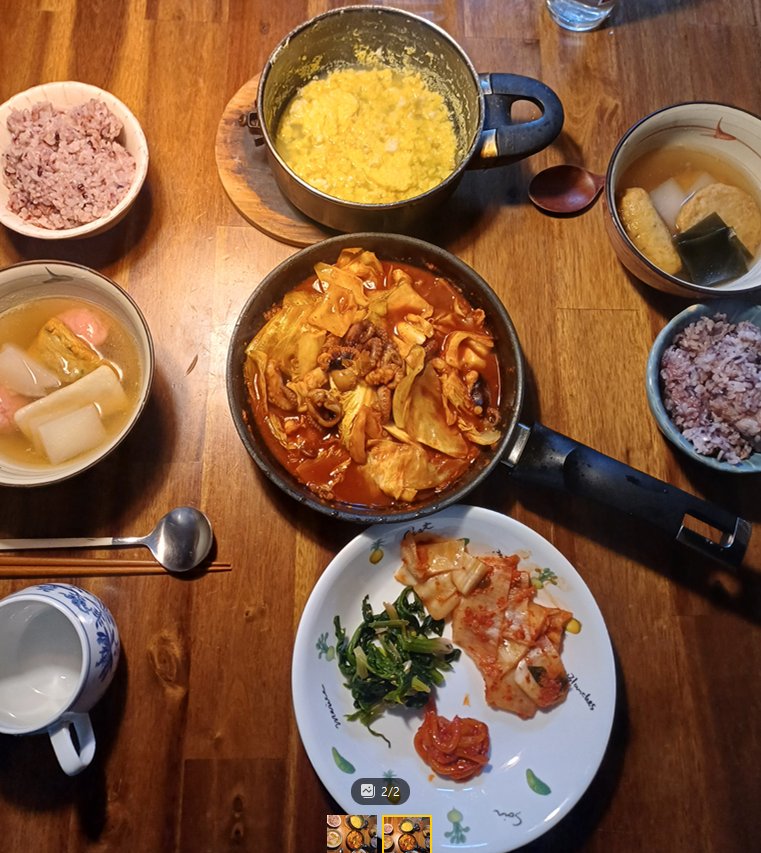
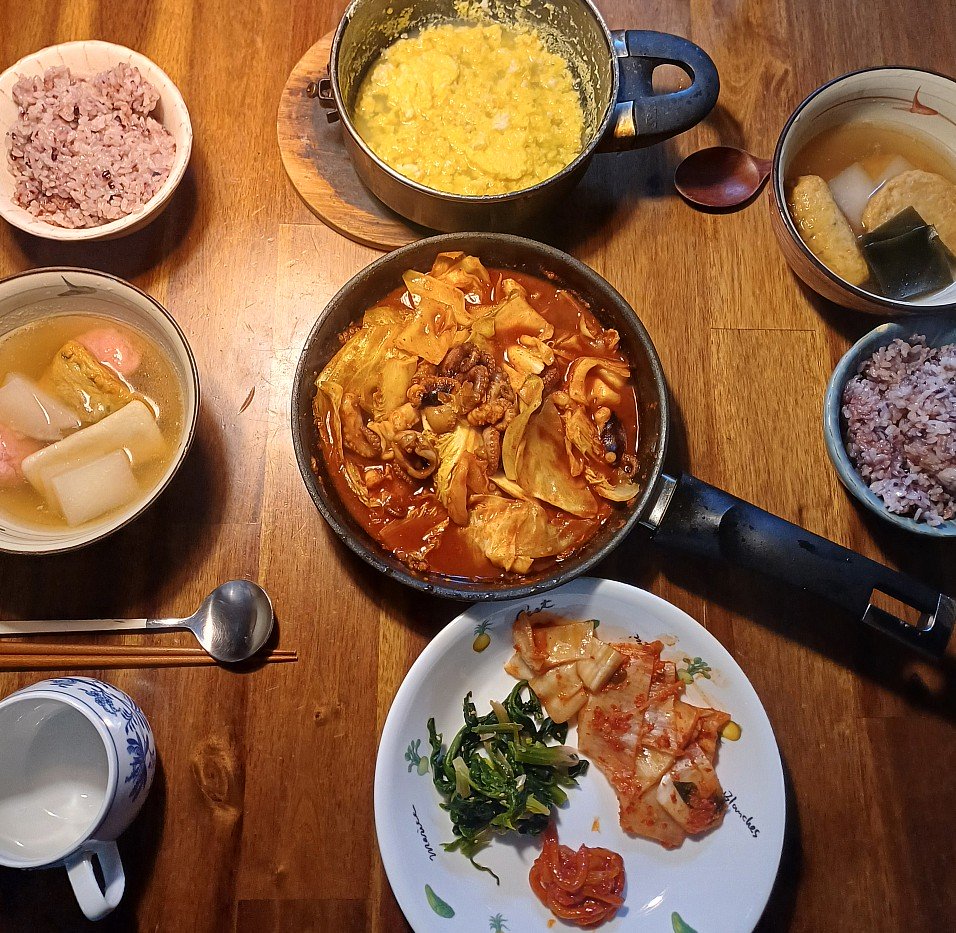
Instead, it is built as a system of foods working together:
- Rice as the foundation
- Soup to support digestion and hydration
- Side dishes that provide variety and nutrients
This structure spreads calories and nutrients across the table rather than concentrating them in one heavy dish. As a result, meals feel filling without being overly rich.
This alone explains why Korean meals are often described as balanced.
The Role of Fermented Foods in Korean Health
Fermentation is one of the most important reasons Korean food is considered healthy.
Staple foods such as kimchi, doenjang (soybean paste), and gochujang are naturally fermented. This process breaks down ingredients before they enter the body, making them easier to digest and more nutrient-dense.
In simple terms, fermented foods do part of the digestive work in advance.
This is why many people feel energized and satisfied after eating traditional Korean meals rather than heavy or sluggish.
Fermentation is not unique to Korea, but in Korean cuisine it is used daily, not occasionally.
Why Korean Food Is Often Low in Fat and Sugar
Traditional Korean cooking relies far less on butter, cream, and refined sugar than many Western cuisines.
Flavor comes instead from:
- Natural fermentation
- Garlic, green onions, and chili
- Sesame oil used sparingly
Most dishes are boiled, steamed, or lightly stir-fried rather than deep-fried. This cooking style preserves nutrients while keeping meals relatively light.
Sweetness, when present, traditionally comes from natural sources such as rice syrup rather than refined sugar.
Everyday Korean Meals and Portion Balance
Another key factor in Korean food health is portion logic.
Rather than large servings of one dish, Korean meals offer small amounts of many foods. Vegetables often outnumber meat-based dishes, and meat is used more as a supporting ingredient than a centerpiece.
This makes it easier to stop eating when satisfied rather than overfull.
Korean Food, Stress, and Modern Eating Habits
Modern Korean society is fast-paced and stressful. As a result, food sometimes becomes a tool for emotional relief rather than nourishment.
Delivery food, instant meals, and ultra-processed products are now common, especially among younger generations. These foods are convenient but differ greatly from traditional Korean meals.
When people say “Korean food is unhealthy,” they are often reacting to modern eating habits, not traditional Korean cuisine.
The food itself has not changed—how it is consumed has.
Traditional Korean Food and Digestive Recovery
In Korea, food has long been connected to recovery and balance.
When people feel unwell, meals are simplified:
- Rice porridge
- Clear soups
- Light vegetable dishes
This approach is also reflected in hospitals, where patients often begin recovery with soft, easily digestible foods. The idea is simple: support the body instead of overwhelming it.
This philosophy mirrors practices found in many cultures, such as chicken soup in Western households.
Is Korean Food Healthy Compared to Western Diets?
Compared to many Western diets, traditional Korean meals generally contain:
- More vegetables
- Less dairy
- Less red meat
- Fewer ultra-processed foods
Korean home meals also rely less on frying and heavy sauces. While no cuisine is perfect, Korean food emphasizes everyday sustainability over indulgence.
When Korean Food Is Healthy — And When It Is Not
Korean food is healthiest when:
- Meals are built around rice, soup, and vegetables
- Fermented foods are eaten regularly
- Processed foods are limited
It becomes less healthy when:
- Convenience replaces home-style meals
- Ultra-processed foods dominate
- Eating is driven mainly by stress
Health is determined not just by cuisine, but by habits.
Final Answer: So, Is Korean Food Healthy?
Yes—when eaten as it was traditionally designed.
Korean food was created to be eaten daily, across seasons, and throughout a lifetime. It values balance over excess and nourishment over stimulation.
The healthiest Korean meal may not be the most exciting one—but it is the one that leaves the body steady, satisfied, and ready for the next day.
Kimchi ?
If you want to know more about the fermentation bacteria in kimchi, you can refer to this specialized researcher’s site. – Link
Learn More About Korean Food
- What Is Korean Food?
A complete introduction to Korean cuisine and its cultural foundations.n, and long-term health. - What Is Banchan?
An explanation of Korean side dishes and why meals include so many of them. - What Is Mitbanchan?
A closer look at make-ahead side dishes and everyday Korean home cooking.