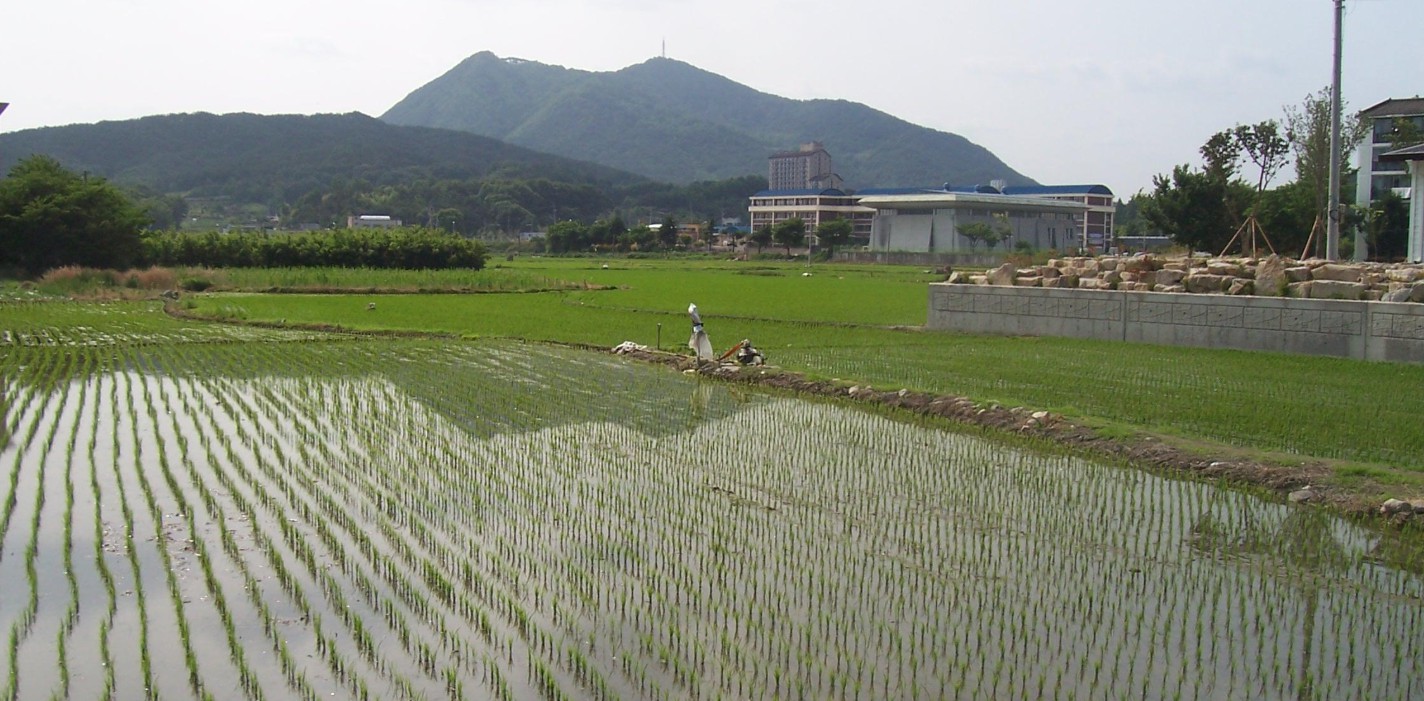
History of Korean Cuisine: The Central Role of Rice
The history of Korean cuisine is inseparable from the history of rice cultivation. Before rice became the dominant staple, the ancestors of the Korean Peninsula relied mainly on coarse grains and cereals such as millet, barley, and sorghum. These grains formed the foundation of early Korean food culture long before rice agriculture was fully established.
Agriculture itself began roughly 10,000 years ago, and during this period various regions of the world started cultivating grains as stable food sources. Barley, wheat, and other coarse grains originated in regions such as the Middle East, India, and Africa, later spreading eastward through China and eventually reaching the Korean Peninsula. Rice, however, followed a different path and would ultimately reshape Korean cuisine more profoundly than any other grain.
Origins and Spread of Rice Cultivation
Rice cultivation is believed to have originated in a broad region stretching from Assam in northeastern India to Yunnan in southwestern China around 6,000 to 7,000 years ago. From this area, rice agriculture spread throughout Asia. One major route extended along the lower Yangtze River, then moved north toward the Yellow River basin, before turning east and reaching the Korean Peninsula.
Archaeological discoveries provide clear evidence of early rice consumption in Korea. Carbonized rice grains excavated in Gyeonggi Province and later in the Pyongyang area have been dated to approximately 3,000 years ago, indicating that rice was already cultivated during the Bronze Age. These sites also yielded millet, barley, and sorghum, showing that early Korean diets were diverse and grain-based rather than rice-exclusive.
Rice and the Formation of Korean Food Culture
As rice cultivation spread southward across the peninsula, favorable climate conditions, fertile plains, and abundant water resources allowed rice farming to flourish, particularly in the southern regions. Over time, rice production was actively encouraged by early states, and by the period of national unification, rice had become the primary staple food.
This shift had a profound influence on the history of Korean cuisine. Rice became not only the main daily food but also the basis of taxation, seasonal rituals, and agricultural customs. Even language reflected this importance, as specific terms and characters associated with rice paddies and rice farming emerged uniquely in Korea.
Initially, rice was likely consumed in powdered form, similar to other grains. Gradually, cooking methods evolved, and steamed rice became the standard form of consumption. Early steamers, known as siru, are frequently found in archaeological sites, and ancient murals depict rice being cooked in this way, suggesting that rice meals were already common among the elite.
Expansion During the Medieval Period
By the medieval period, rice was firmly established as the cornerstone of Korean cuisine. Governments invested heavily in irrigation systems, improved farming techniques, expanded arable land, and increased grain storage capacity. Rice production became so central to the economy that it was sometimes used as a form of currency.
As population levels rose and preferences for rice-based meals strengthened, efforts to increase rice yields intensified. These developments not only ensured food security but also allowed Korean cuisine to diversify and become more refined.
Rice-Based Foods in the Joseon Era
During the Joseon period, rice cultivation reached new levels of efficiency through nationwide adoption of transplanting techniques and the reclamation of new paddy fields, even in northern regions. Rice solidified its position as the dominant staple food while also serving as the raw material for an extraordinary range of culinary creations.
Rice cakes, or tteok, became one of the most distinctive elements of Korean cuisine. Unlike wheat-based cakes or confections found elsewhere in East Asia, Korean rice cakes developed into a unique category of food with more than one hundred known varieties. These included steamed rice cakes, pounded rice cakes, and filled rice cakes associated with seasonal festivals and life-cycle rituals.
Rice also played a central role in traditional Korean alcoholic beverages. Through fermentation, rice was transformed into cloudy rice wine, refined rice wine, and distilled spirits. In addition, rice was used to produce sweet drinks, malt syrup, fermented rice bread, porridges, and even portable emergency foods made from dried or pre-steamed rice.
Rice as the Foundation of Korean Cuisine
By the late Joseon period, rice utilization had reached its peak. It was no longer just a staple food but the foundation of Korean culinary identity. From everyday meals of steamed rice to ceremonial foods, snacks, beverages, and preserved foods, rice shaped the structure, rhythm, and symbolism of Korean cuisine.
In conclusion, the history of Korean cuisine is deeply rooted in the history of rice cultivation. While early diets relied on a variety of grains, rice ultimately became the cultural, economic, and culinary heart of Korea. Understanding this evolution offers essential insight into why rice-based dishes remain central to Korean food culture today.