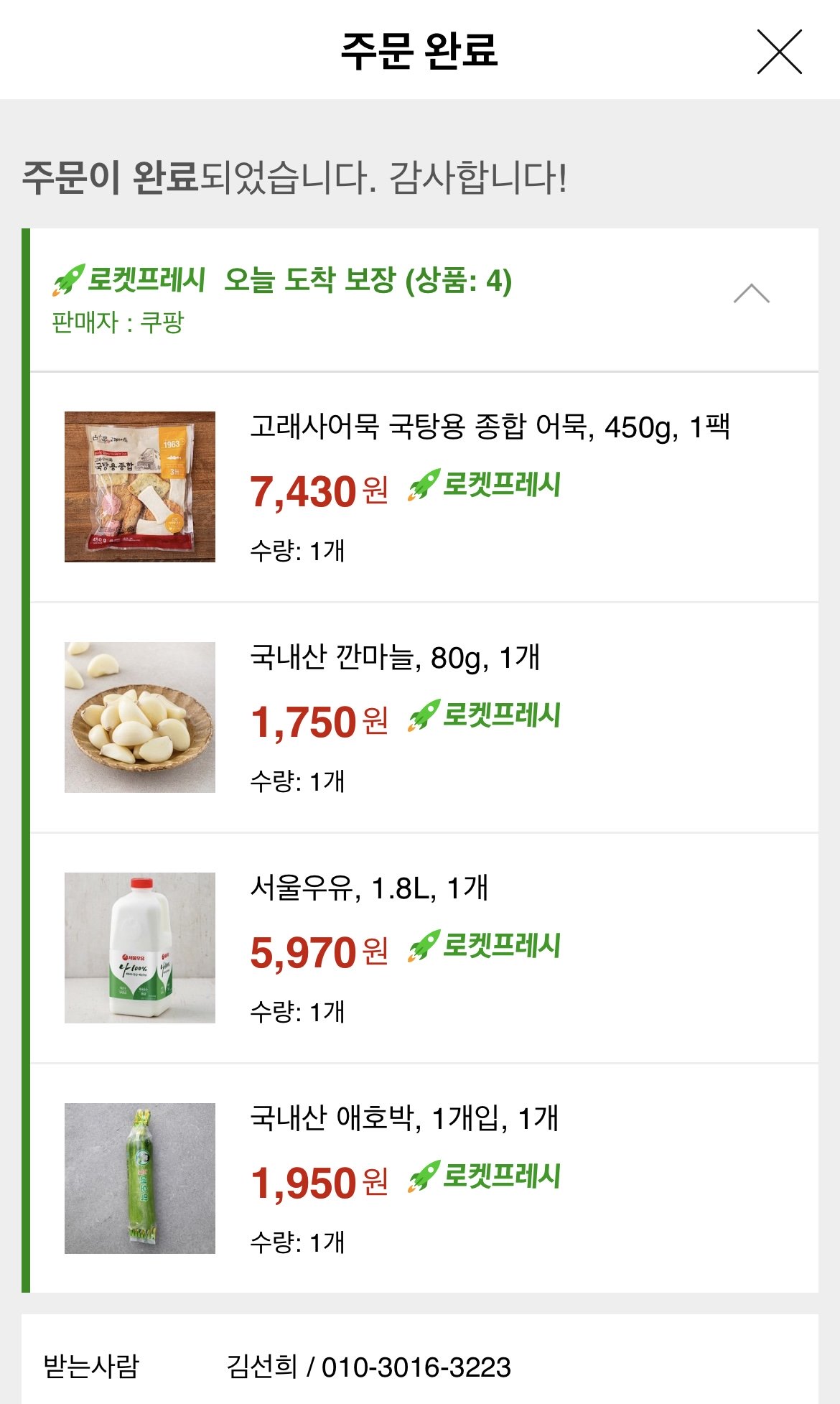
Korean Banchan: How Seasons Shape the Korean Table
Korean side dishes, known as banchan, change with the seasons.
This is not a coincidence, nor simply a matter of ingredient availability. It reflects a way of life that moves in rhythm with nature.
In spring, the table fills with shepherd’s purse salad, wild chive sauce, and blanched shoots.
Summer brings cucumber salad, soybean sprout soup, and stir-fried eggplant.
In autumn, mushrooms, braised mackerel, and kimchi pancakes appear more often.
Winter is the season of dongchimi, dried radish greens, and aged kimchi stew.
This seasonality is not just about variety. It is about time. Korean side dishes are foods shaped by weather, harvest, and patience. That is why meals do not feel repetitive even when rice is eaten every day.
Banchan as a Culture of Sharing
The Korean table is built for sharing, not individual plates.
Everyone sits around one table and eats from the same set of dishes. This structure is deeply connected to Korea’s community-oriented culture.
A piece of kimchi, a slice of savory pancake, a spoonful of seasoned greens—
through these small shared moments, people talk, connect, and build relationships. Side dishes become a medium of communication. Sharing food becomes a way of sustaining human bonds.
The Functional Role of Banchan in a Rice-Centered System
At the center of Korean cuisine is rice. Every side dish exists in relation to it.
Salty dishes break the monotony of plain rice.
Spicy or sour dishes revive the appetite.
Rich or oily dishes provide fullness and satisfaction.
Vegetable-based side dishes complete nutritional balance.
Each banchan gains meaning through its relationship with rice. Rice is the main character; side dishes are its supporters. This structure reflects a food philosophy refined over thousands of years.
The Emotional Power of Side Dishes
For Koreans, banchan symbolizes home cooking.
When people say “mom’s side dishes,” they are not talking only about flavor. They are talking about memory and comfort. Opening a container and smelling familiar kimchi, stir-fried anchovies, or rolled eggs can instantly bring emotional relief.
In this way, Korean side dishes are not just food. They are fragments of memory that provide psychological stability in everyday life.
From Home Kitchens to an Industry
In recent years, the side-dish culture has expanded beyond the home.
The rise of home-meal replacement (HMR) products has transformed banchan into an industry:
- side-dish delivery services
- meal-kit side dishes
- convenience-store banchan packages
- export-ready Korean side-dish sets
With the global spread of Korean pop culture, many international consumers now see Korean side dishes as a “complete table kit.” Today, they can be found in Korean markets, online shops, and even fresh food sections of global platforms.
A meal completed with just rice and side dishes has become a competitive model in the global food market.
Banchan in the Global Context
In many food cultures, meals consist of one main plate per person. Multiple shared side dishes are rare. This is why foreign diners are often surprised when they see a Korean table.
“Are all of these included?”
Many interpret Korean side dishes as generosity food—a form of hospitality. The abundance, sharing, and openness of the table are understood as warmth rather than excess. What begins as a meal often becomes a cultural experience.
More Than Side Dishes
Korean banchan represents:
- balance and harmony of flavors
- seasonality and respect for nature
- sharing and communication
- a rice-centered food system
- emotional comfort
- industrial and global potential
Together, these small plates form a complete culinary expression. A single table setting can comfort someone, tell a story, and reveal a culture.
Today, someone finds comfort in a bowl of warm rice and a few familiar side dishes. In that moment, Korean side-dish culture continues to live and breathe.
Tonight, my wife is working late. A message arrived telling me which side dishes to serve our child for dinner.
In moments like this, I am reminded that banchan is not just food—it is care.
Today
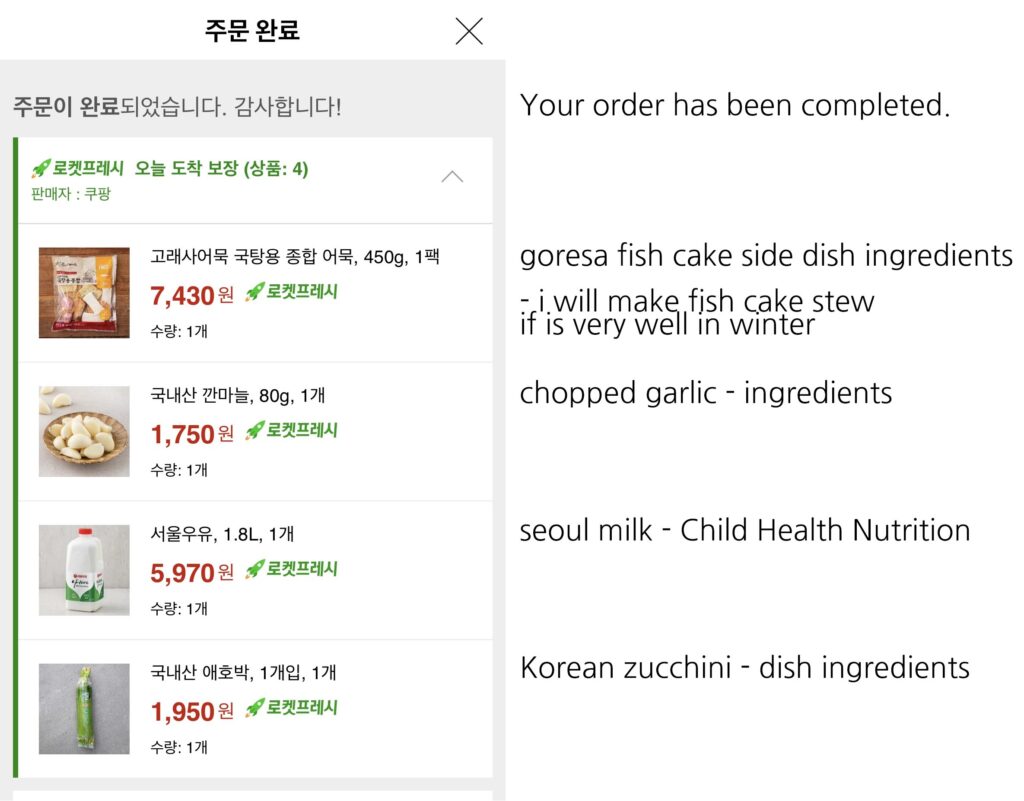
My wife sent me a message asking me to pack lunch for the kids.