Tag: Korean Eating Culture

  • Why Is Soup Always Served in Korean Meals? Culture, History, and Meaning

    Why Is Soup Always Served in Korean Meals? Culture, History, and Meaning

    In Korea, serving soup (guk or tang) as part of a meal is not accidental. It developed from a grain-centered diet, where soup helped digestion, provided warmth, replenished nutrients and salt, and allowed large families to share meals even with limited ingredients.

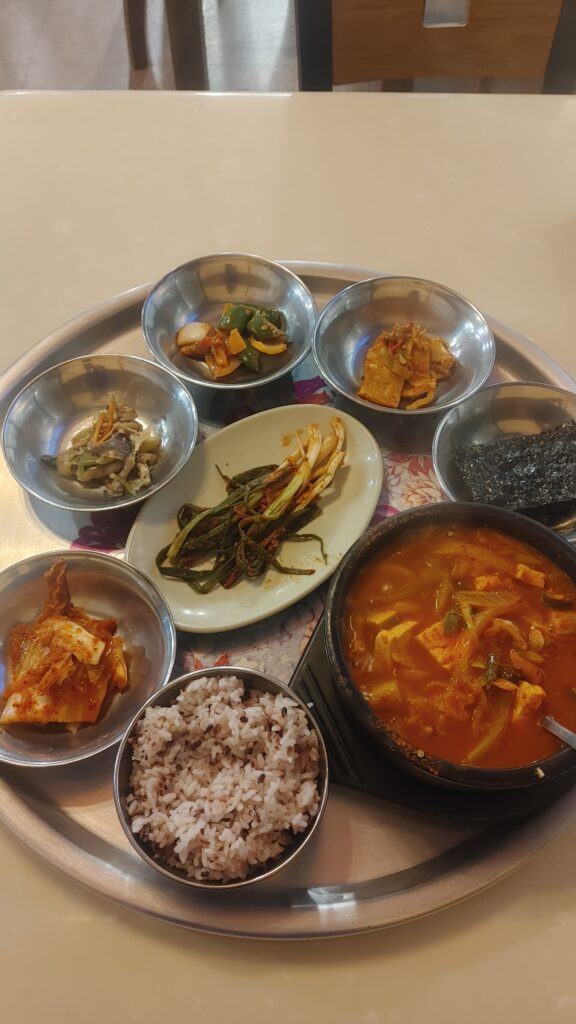
    KOREAN SOUP(KOREAN STREW), Yukgaejang AND side dishes (side dish made for long storage, KOREAN CALL Mitbanchan)

    Historically, Korea’s geography made water relatively easy to access, and meals often needed to be prepared and eaten efficiently. Combined with Confucian values that emphasized balance and harmony, the structure of rice, soup, and side dishes became the foundation of Korean meals.

    Soup was never just a way to drink liquid. It represented warmth, balance, and practicality—an essential component of Korean food culture.


    Why Is Soup Always Served in Korean Meals?
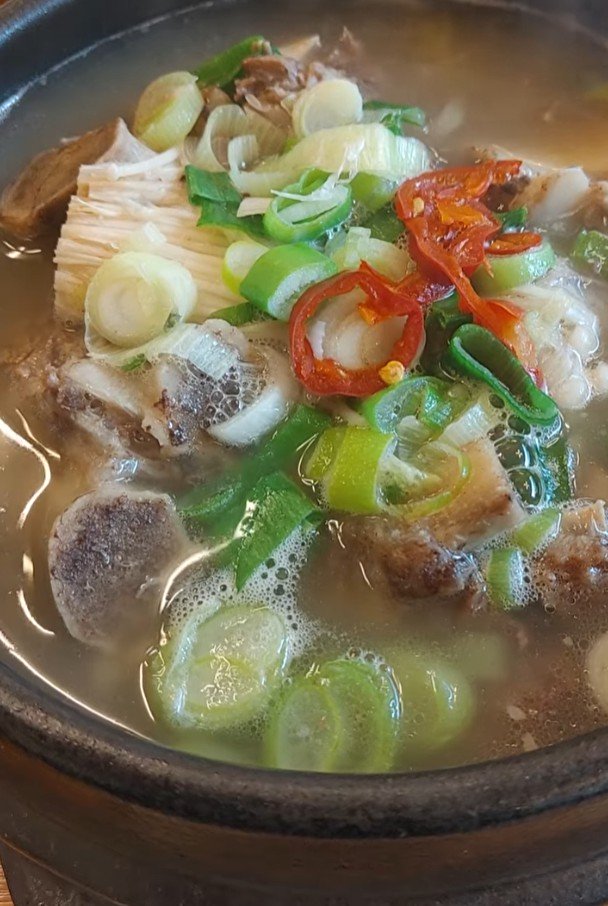
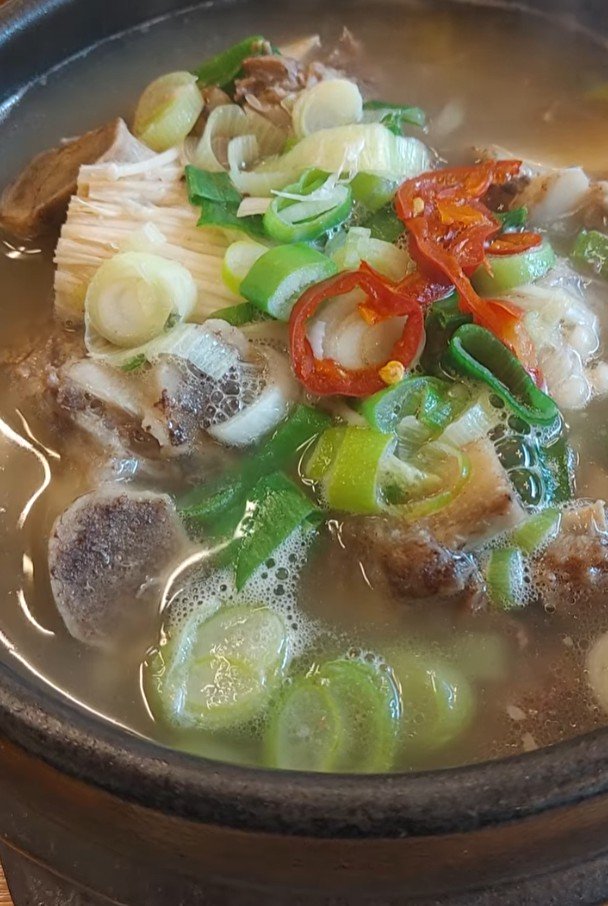
    Soup became essential in Korean meals because it supported digestion in grain-heavy diets, provided warmth and hydration, and helped families share limited food resources efficiently. It also reflected Confucian ideals that valued balance, order, and harmony at the table.


    How Did Soup Become Central to Korean Food Culture?

    Korea’s historical and geographical conditions played a major role. Water was relatively easy to obtain, and meals often needed to be prepared quickly for large households. Soup allowed ingredients to stretch further while maintaining nutritional value.

    Over time, the combination of practicality and cultural philosophy shaped soup into a permanent element of Korean meals.


    What Role Does Soup Play in a Traditional Korean Meal?

    Soup acts as a stabilizing element alongside rice and side dishes. This structure supports balanced nutrition and creates a comforting rhythm to daily meals.

    In Korean dining culture, soup is not optional. It completes the meal and connects the individual components into a cohesive whole.


    Is Soup About Nutrition, Digestion, or Efficiency?

    The answer is all three.

    By simmering small amounts of meat or vegetables in water for long periods, Korean households could extract protein and nutrients efficiently. This made it possible for many people to share a nourishing meal even when ingredients were scarce.

    Soup also helps soften grains, supports digestion, and replenishes electrolytes, making it both practical and nourishing.


    What Is Tangban Culture, and Why Does It Matter?

    Tangban culture refers to the habit of eating rice together with soup—sometimes even mixing the rice directly into the broth. This allowed meals to be eaten quickly, warmly, and efficiently, especially during physically demanding days.

    This practice reinforced soup’s role as the emotional and nutritional center of Korean meals.


    How Many Types of Soup-Based Dishes Exist in Korean Cuisine?

    Korean soup-based dishes are not limited to one category. They are generally divided into four main types:

    • Guk (국)
    • Tang (탕)
    • Jjigae (찌개)
    • Jeongol (전골)

    Each category reflects differences in purpose, cooking method, and how the dish is shared.


    What Is the Difference Between Guk, Tang, Jjigae, and Jeongol?

    The biggest distinction lies in the ratio of broth to solid ingredients and how the dish is served.

    Guk focuses on broth and is served individually. Jjigae emphasizes ingredients and is shared from a communal pot. Tang usually requires longer cooking times and is seasoned at the table.

    Jeongol is often prepared for group dining and finished together at the table. Although these definitions sometimes overlap in daily life, they are culturally understood.


    Why Do Koreans Consider Soup a Non-Negotiable Part of a Meal?

    In traditional Korean dining, when counting side dishes, staples such as rice, soup, kimchi, sauces, and stews are excluded. This alone shows how essential soup is—it is assumed, not optional.

    Even today, especially among older generations, a meal without soup feels incomplete. Some people will not even lift their spoon if soup is missing from the table.


    Why Do Koreans Focus on Broth More Than Noodles?

    This mindset is reflected in language and habits. Koreans often say they “boil” ramen rather than “cook” noodles, emphasizing the importance of the broth.

    Even when eating noodle dishes like udon, Koreans tend to judge the dish by the quality of the soup, while Japanese diners focus more on the noodles themselves.


    Is Korean Soup Similar to Western Soup?

    While Korean soup may resemble Western soup on the surface, the concept is different. Korean soup is meant to be eaten with rice as part of a structured meal, not as a standalone course.

    It functions as nourishment, balance, and comfort all at once.


    Final Answer: Why Soup Matters in Korean Everyday Eating

    Soup became essential in Korean meals because it brings together nutrition, efficiency, cultural philosophy, and emotional comfort.

    In Korean cuisine, soup is not simply something to drink. It is the element that ties rice, side dishes, and people together into a complete meal.
    Related Guides to Korean Food Culture

  • Korean Eating Culture: Why Eating Matters So Much in Korea

    Korean Eating Culture: Why Eating Matters So Much in Korea

    Korean eating culture reflects how food shapes daily life, emotional comfort, and social relationships in Korea.

    Why Eating Is So Important in Korea

    In Korea, eating is not just a daily routine—it is something people genuinely care about.
    The question “What should we eat today?” often marks the real start of the day, and it carries more weight than it might in many other cultures.

    Because eating matters so much, competition in the food industry is intense. Restaurants constantly work to satisfy demanding customers, and as a result, better and more creative menus continue to appear. New “hot places” are born every day. If I had to name one reason Korean food tastes so good, it would be simple: supply and demand.

    But this raises another question. Why are so many Koreans—including myself—so deeply focused on food?

    Like most parents in the world, parents are always concerned about whether their children are eating well.

    Korean Eating Culture - I made it
    Korean Eating Culture – Parents always worry about whether their children are eating well.

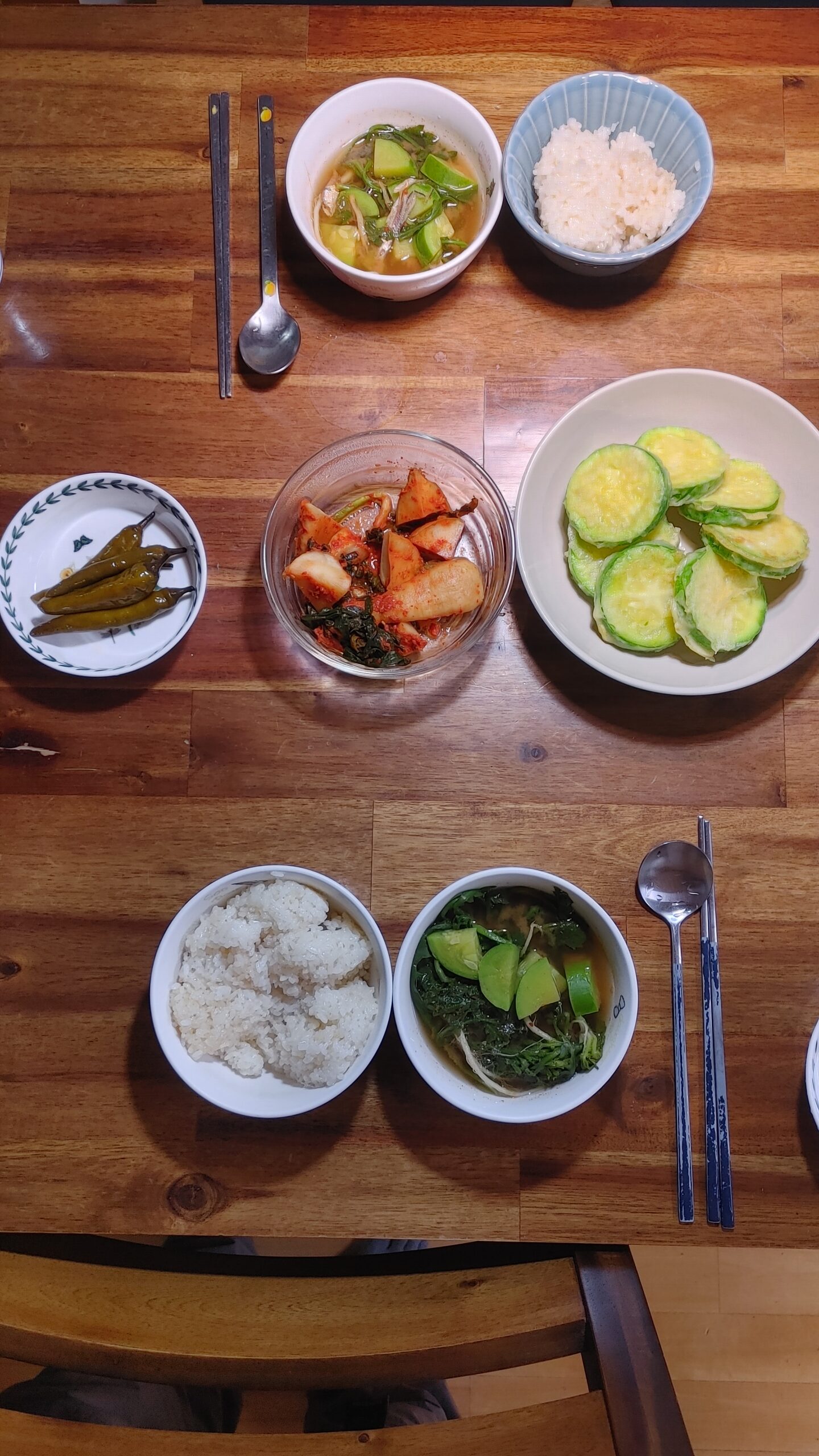
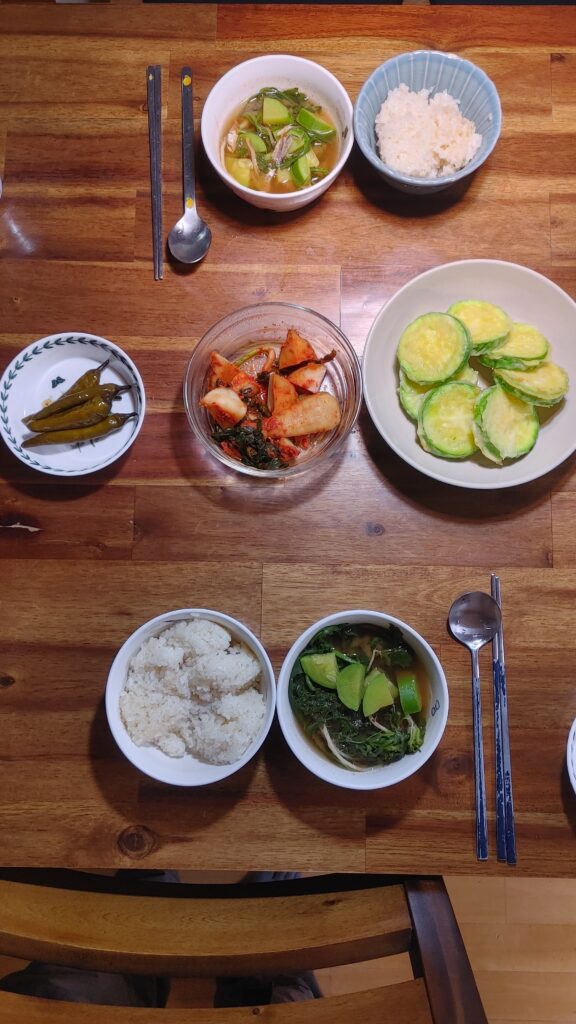
    Today’s menu, from top left, is pumpkin soybean paste stew, rice, spicy pepper jangajji (pickled spicy peppers in soy sauce), pumpkin pancake, dad’s rice, and dad’s soybean paste stew. Today, I made it myself, with my beloved son 😉

    Food and Stress in Korean Eating Culture

    One possible answer is stress.

    It often feels like many people in Korean society use food as a way to relieve stress, which has become a defining part of Korean eating culture. There are two ways to look at this.
    First, Korea is a high-stress society overall.
    Second, there are not many easy ways to release that stress.

    When stress is everywhere and options for relief are limited, eating becomes the fastest and most accessible solution. Of course, this is just my personal hypothesis—but it feels convincing.

    Korean Office Lunch Culture and Daily Eating Habits

    This pattern is especially visible in office life. Like workers around the world, most Korean office workers eat lunch out with colleagues. Seasonal preferences strongly influence these meals. In summer, people crave cold noodles. In winter, warm soups are everywhere. Younger generations lean toward foods like tteokbokki or pork cutlets—choices that reflect their era.

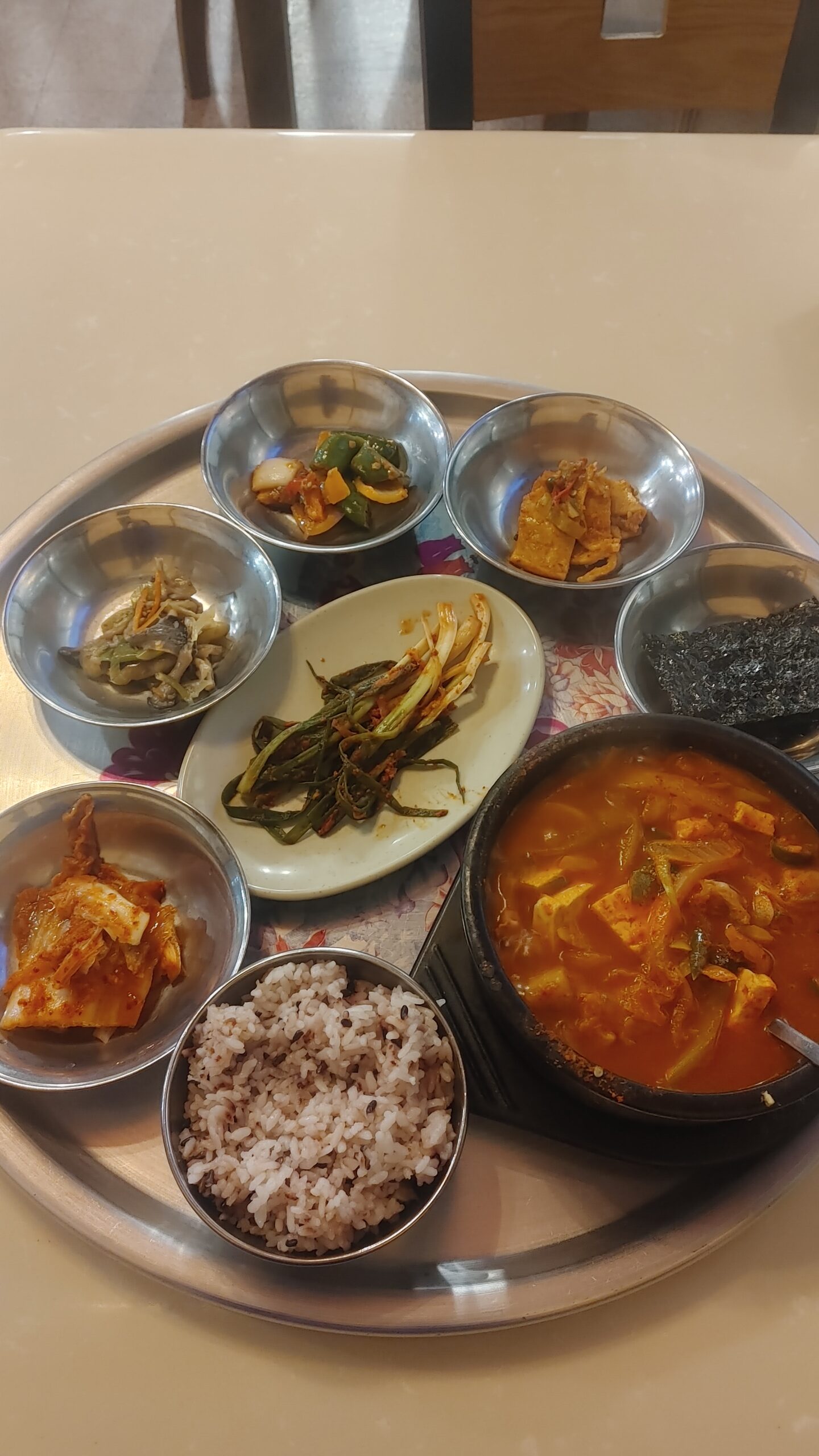
    In Yeouido, Seoul, where I work, I often go to a small baekban restaurant. It’s not especially cheap, but not expensive either. A typical meal costs around nine US dollars. You get a warm bowl of rice, soup, and several side dishes—simple, balanced, and comforting.

    When Food Becomes the Only Escape

    There is no doubt that eating delicious food brings joy. It is one of life’s great pleasures, and it is certainly one of mine. However, when food becomes the main tool for stress relief, problems begin to appear.

    Weight gain, lower self-esteem, guilt—and eventually, even more stress. This cycle is surprisingly hard to break.

    How Modern Korean Eating Culture Has Changed

    One big difference between my childhood and today is convenience. Now, chicken or pizza can be delivered within 30 minutes, almost anywhere. Another major change is the rise of ultra-processed foods.

    When I was younger, flour-based foods mostly meant noodles. Today, pizza and hamburgers are everywhere. They are still not considered traditional staples in Korea, but younger generations eat them far more often than we ever did.

    Finding Comfort Beyond Food in Korean Daily Life

    That’s why it’s important to find ways to comfort ourselves that don’t involve food. Something as simple as walking can help release stress while clearing the mind. Food should remain a source of pure enjoyment—not a coping mechanism. After all, we eat every single day.

    A Parent’s Everyday Reality

    After work, I often come home, look at what little food we have left, and ask my child,
    “Hey—what do you want to eat tonight?”

    I give him a few options and let him choose. On days when there’s almost nothing in the fridge, dinner becomes fried rice with eggs, kimchi fried rice, or soybean sprout soup with a fried egg and a few side dishes.

    In the end, parents everywhere are busy taking care of their children’s meals—and their own.
    And yes… I really hope this blog does well.

    This is why Korean eating culture continues to shape everyday life in Korea, beyond food itself.

    you may be more insteresting my article

  • Why Rice Is Central to Korean Meals?

    Why Rice Is Central to Korean Meals?

    Rice isn’t just “food” in Korea

    Rice isn’t just “food” in Korea—it has long functioned as the backbone of daily life, the economy, and even spiritual customs. In the Korean context, rice and cooked rice (bap) became more than a staple: they became a symbol of stability, prosperity, and the ability to live well.


    Memory

    During my mother’s time, barley rice was the staple food. Later, after I was born and went through elementary school, rice became the main meal.
    Back then, six families would sit around and eat rice, kimchi, and two or three other side dishes, with two or three side dishes.

    And during my time with my mother, everyone farmed rice. We either grew rice in the countryside or rented land and received rice in return once a year. We usually received about 180kg of rice.

    Thus, rice became my staple food while I was growing up in Korea.


    Why Rice Is Central to Korean Meals
    I ate at a restaurant selling plain rice in front of my house. It cost 8,000 won. Side dishes and various other dishes were served. I ordered kimchi stew. It was served in a clay pot with pork, kimchi, and various seasonings.

    Rice as Korea’s Most Important Staple Food

    Historically, Koreans did not always eat rice as their main staple. Early diets relied heavily on barley and other grains. Over time, however—especially after rice production expanded—rice became the core of the Korean table.

    Even today, despite modern diets including more wheat-based foods, meat, and dairy, Koreans still commonly describe energy and vitality as “bap power” (밥심). This reflects how rice remains the default image of a real meal: a “proper meal” often means a bowl of rice with accompanying dishes.


    Rice as a Measure of Wealth and Economic Value

    One of the script’s strongest points is that rice historically worked like a currency and price standard. In traditional society, rice served as the practical benchmark for value: goods and services were often measured in how much rice they were worth.

    This is why older expressions describe rice as the “king” of prices—because it wasn’t merely consumed; it was the standard unit of survival and economic activity. When a society treats a food as its clearest indicator of wealth, that food becomes deeply embedded in everyday life and social status.

    The script also highlights a cultural “ideal life” image: glossy white rice, meat soup, warm housing, and proper clothing—an ideal that shows rice as the starting point of comfort and success.


    Rice in Life-Cycle Rituals and Korean Spiritual Culture

    Rice is present throughout a person’s life in Korea—symbolically and practically.

    • Rice is tied to nourishment from the start, because even breastfeeding is connected to the mother’s ability to eat well.
    • Rice appears at death rituals too: the script mentions practices meant to ensure the departed does not travel hungry.
    • In ancestral rites, rice is central—offered as a core item on the ritual table.

    These customs reinforce a strong cultural logic: rice is not just daily fuel; it becomes a sacred food representing life, continuity, and respect for ancestors. This is also why traditional farming communities treated newly harvested rice with great reverence—sometimes storing it carefully and offering it in ritual-like ways.


    Why Rice Fit Korea’s Environment (Even If It Wasn’t Easy)

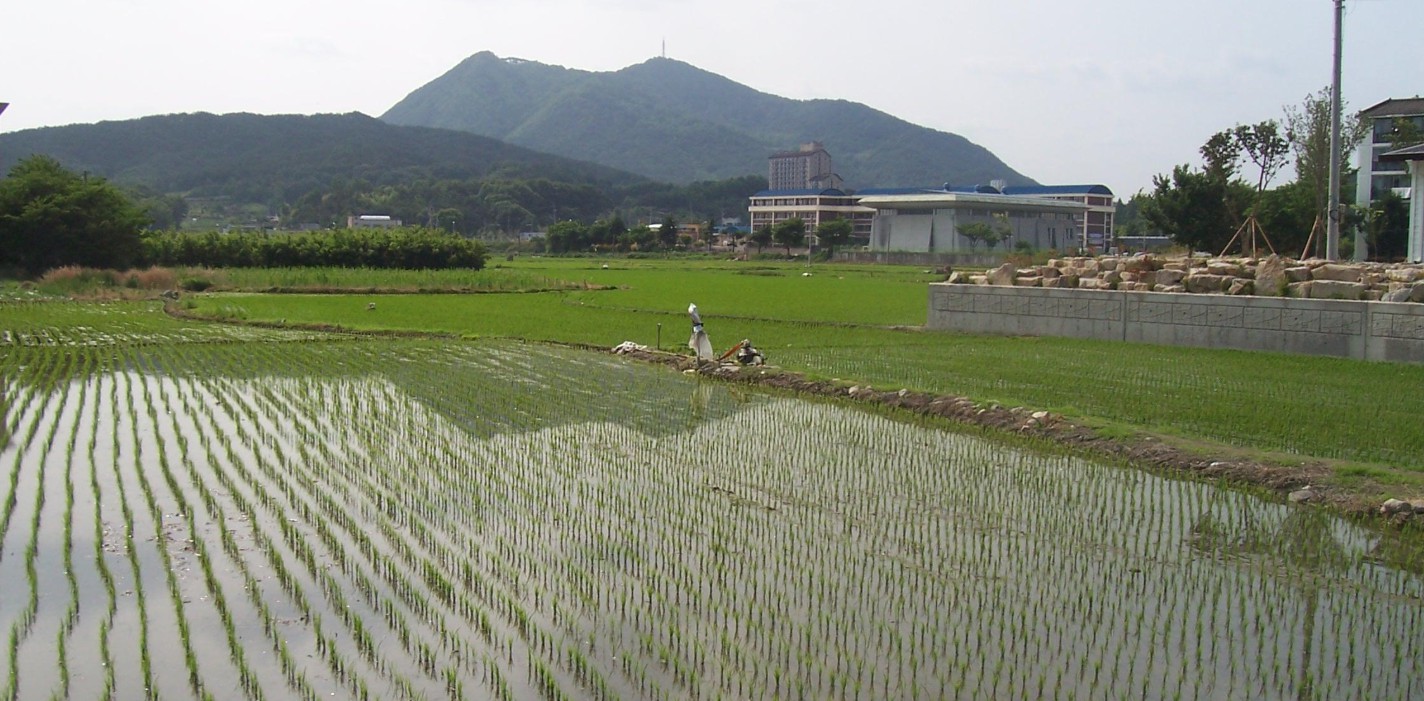
    Rice’s origins are often associated with warmer, subtropical regions, so the Korean Peninsula was not the easiest place for rice farming to dominate. The key obstacle was always water.

    Rice requires:

    • stable irrigation,
    • paddies that can hold water,
    • and systems (reservoirs, canals, storage) that keep supply reliable.

    That’s why rice becoming the main staple took time. It wasn’t simply a matter of preference; it depended on infrastructure and farming methods that could support large-scale paddy cultivation.


    The Turning Point: Transplanting and Irrigation Systems

    A major historical shift discussed in your script is the expansion of transplanting rice seedlings (모내기 / 이앙법).

    Transplanting offered clear advantages:

    • higher yields,
    • less weeding and labor in some stages,
    • and the possibility of more productive farming cycles.

    But it also carried a major risk: transplanting requires reliable water at the exact right time. If rainfall or water supply failed, the crop could collapse. For a state managing taxes, storage, and stability, this “high risk, high return” method could be seen as dangerous.

    The script’s key idea is that once irrigation and water-management systems improved—particularly during periods when these systems were expanded nationwide—transplanting could spread more safely. When that happened, rice production increased dramatically, and rice became more achievable as a nationwide staple.


    Rice Abundance and Social Change

    Once yields rose, the impact wasn’t only culinary—it reshaped society.

    When food becomes more stable and abundant:

    • communities can support more people,
    • labor can diversify,
    • and social energy increases (“people become generous when granaries are full”).

    The script connects rice expansion to broader developments such as:

    • stronger village cooperation (collective labor systems),
    • stimulation of commerce and crafts,
    • and an overall sense of renewed stability when harvests improved.

    This helps explain why rice is central to Korean meals not only because it tastes good, but because it became the foundation of social organization and everyday security.


    Modern Korea: From Rice Shortages to Self-Sufficiency

    Your script also covers a modern turning point: yield increases through new varieties and agricultural policy, culminating in national rice self-sufficiency in the 1970s.

    At the same time, modern Korea experienced a shift:

    • from “more rice” to “better rice,”
    • from survival to preference and quality.

    This period also included policies encouraging mixed grains or flour-based meals to manage supply and demand—something many people still remember through school lunch and “mixed meal” campaigns.

    Even as rice consumption later declined with Western-style diets and diversified staples, rice retained a unique national importance because it connects directly to food security.


    Rice and Food Security: Why It Still Matters Today

    The script emphasizes that rice cannot be treated like a normal commodity, because staples are strategically important. In times of global instability, staples behave differently in markets: a small drop in supply can cause massive price spikes.

    That is why rice remains central in Korea even when people eat less of it:

    • it is still a “last stronghold” crop for food security,
    • it supports national resilience,
    • and it carries cultural meaning beyond calories.

    In Korean culture, rice is both a meal and a safeguard.


    Folklore and Moral Meaning Around Rice

    Finally, your script uses folklore (like stories of “rice rocks” that stop producing when greed appears) to show how rice became tied to values such as:

    • restraint,
    • gratitude,
    • and respect for labor.

    Unlike something imagined as a limitless gift, rice is portrayed as a product of repeated human effort—something earned through work and therefore something that should not be wasted. This moral framing further strengthens rice’s symbolic power in Korean meals.


    Conclusion: Why Rice Defines Korean Meals

    Rice became central to Korean meals because it sits at the intersection of:

    • daily nourishment (a real meal = rice),
    • economic value (rice as a standard of wealth),
    • ritual life (ancestral rites and life-cycle customs),
    • agricultural history (water systems and transplanting),
    • and national security (a strategic staple crop).

    In short, rice is central to Korean meals not only because Koreans eat it, but because rice helped shape the structure of Korean life itself.

    You can find detailed information about the origin of Korean rice here. – KBS

    Want to know the origins of Korean food, as told by Koreans?

  • History of Korean Cuisine : The Central Role of Rice

    History of Korean Cuisine : The Central Role of Rice

    History of Korean Cuisine: The Central Role of Rice

    The history of Korean cuisine is inseparable from the history of rice cultivation. Before rice became the dominant staple, the ancestors of the Korean Peninsula relied mainly on coarse grains and cereals such as millet, barley, and sorghum. These grains formed the foundation of early Korean food culture long before rice agriculture was fully established.

    Agriculture itself began roughly 10,000 years ago, and during this period various regions of the world started cultivating grains as stable food sources. Barley, wheat, and other coarse grains originated in regions such as the Middle East, India, and Africa, later spreading eastward through China and eventually reaching the Korean Peninsula. Rice, however, followed a different path and would ultimately reshape Korean cuisine more profoundly than any other grain.

    Origins and Spread of Rice Cultivation

    Rice cultivation is believed to have originated in a broad region stretching from Assam in northeastern India to Yunnan in southwestern China around 6,000 to 7,000 years ago. From this area, rice agriculture spread throughout Asia. One major route extended along the lower Yangtze River, then moved north toward the Yellow River basin, before turning east and reaching the Korean Peninsula.

    Archaeological discoveries provide clear evidence of early rice consumption in Korea. Carbonized rice grains excavated in Gyeonggi Province and later in the Pyongyang area have been dated to approximately 3,000 years ago, indicating that rice was already cultivated during the Bronze Age. These sites also yielded millet, barley, and sorghum, showing that early Korean diets were diverse and grain-based rather than rice-exclusive.

    Rice and the Formation of Korean Food Culture

    As rice cultivation spread southward across the peninsula, favorable climate conditions, fertile plains, and abundant water resources allowed rice farming to flourish, particularly in the southern regions. Over time, rice production was actively encouraged by early states, and by the period of national unification, rice had become the primary staple food.

    This shift had a profound influence on the history of Korean cuisine. Rice became not only the main daily food but also the basis of taxation, seasonal rituals, and agricultural customs. Even language reflected this importance, as specific terms and characters associated with rice paddies and rice farming emerged uniquely in Korea.

    Initially, rice was likely consumed in powdered form, similar to other grains. Gradually, cooking methods evolved, and steamed rice became the standard form of consumption. Early steamers, known as siru, are frequently found in archaeological sites, and ancient murals depict rice being cooked in this way, suggesting that rice meals were already common among the elite.

    Expansion During the Medieval Period

    By the medieval period, rice was firmly established as the cornerstone of Korean cuisine. Governments invested heavily in irrigation systems, improved farming techniques, expanded arable land, and increased grain storage capacity. Rice production became so central to the economy that it was sometimes used as a form of currency.

    As population levels rose and preferences for rice-based meals strengthened, efforts to increase rice yields intensified. These developments not only ensured food security but also allowed Korean cuisine to diversify and become more refined.

    Rice-Based Foods in the Joseon Era

    During the Joseon period, rice cultivation reached new levels of efficiency through nationwide adoption of transplanting techniques and the reclamation of new paddy fields, even in northern regions. Rice solidified its position as the dominant staple food while also serving as the raw material for an extraordinary range of culinary creations.

    Rice cakes, or tteok, became one of the most distinctive elements of Korean cuisine. Unlike wheat-based cakes or confections found elsewhere in East Asia, Korean rice cakes developed into a unique category of food with more than one hundred known varieties. These included steamed rice cakes, pounded rice cakes, and filled rice cakes associated with seasonal festivals and life-cycle rituals.

    Rice also played a central role in traditional Korean alcoholic beverages. Through fermentation, rice was transformed into cloudy rice wine, refined rice wine, and distilled spirits. In addition, rice was used to produce sweet drinks, malt syrup, fermented rice bread, porridges, and even portable emergency foods made from dried or pre-steamed rice.

    Rice as the Foundation of Korean Cuisine

    By the late Joseon period, rice utilization had reached its peak. It was no longer just a staple food but the foundation of Korean culinary identity. From everyday meals of steamed rice to ceremonial foods, snacks, beverages, and preserved foods, rice shaped the structure, rhythm, and symbolism of Korean cuisine.

    In conclusion, the history of Korean cuisine is deeply rooted in the history of rice cultivation. While early diets relied on a variety of grains, rice ultimately became the cultural, economic, and culinary heart of Korea. Understanding this evolution offers essential insight into why rice-based dishes remain central to Korean food culture today.

    refer korea rice history