Korean cuisine is deeply rooted in fermentation culture. From kimchi and gochujang to jeotgal (fermented seafood) and traditional soy sauces, fermented foods form the backbone of Korean culinary identity. But why did fermentation become so central to Korean food? The answer lies in history, geography, and the remarkable ingenuity of Korean food preservation techniques.
The Historical Origins of Fermented Foods
Historically, humans have utilized fermented foods in various ways since nomadic times. Fermentation refers to foods that can be preserved without processing or made edible after preservation.
Depending on the type of fermenting microorganisms and conditions, fermentation produces different substances and is widely used in food production.
Common fermented foods include alcoholic beverages, vinegar, dairy products (cheese, yogurt, butter), tea, tofu, condiments, and bread—all utilizing fermentation processes to create diverse food products.
How Fermentation Extends Food Storage
Through fermentation, beneficial bacteria multiply within food, preventing the growth and proliferation of harmful bacteria. This extends the shelf life of foods and makes storage easier. The most notable example is the physiological action of lactic acid bacteria, which aids digestion and improves flavor—quintessential characteristics of fermentation.
Global Fermented Foods
Every culture around the world has developed its own unique fermented foods. Representative examples include kimchi, pickled plums, and sauerkraut (fermented cabbage from Germany). Other iconic fermented foods include jang (soy sauce, doenjang, gochujang), various vinegars, alcoholic beverages, dairy products (cheese, yogurt), natto, bread, and jeotgal.
When food undergoes fermentation, various new compounds are created that didn’t exist in the raw materials, enhancing nutritional value, palatability, and storage capacity. Originally developed to preserve ingredients, fermented foods improve taste, promote beneficial intestinal microbiota, and increase digestibility, offering numerous additional benefits.
Why Fermentation Culture Thrived in Korea
In the past, there were no refrigerators. To eat and store food throughout the seasons, various preservation methods were necessary. Korea’s four distinct seasons made preparing stored foods an annual ritual.
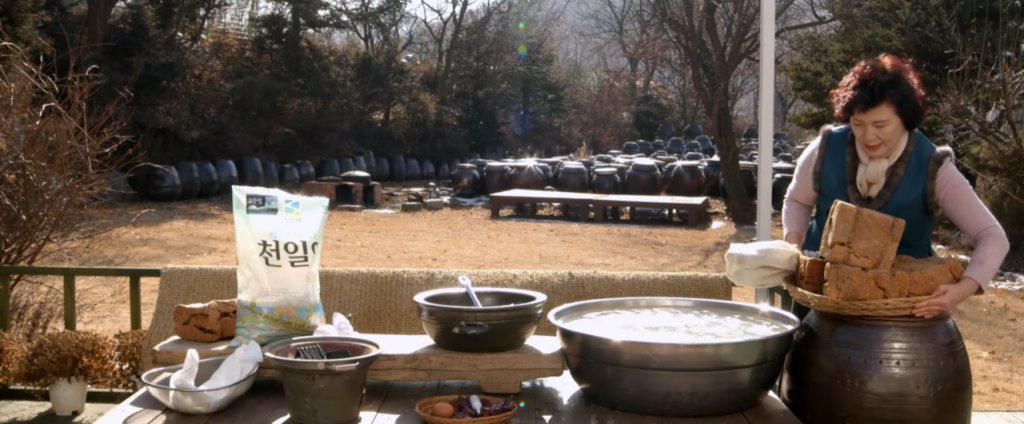
In spring, jang (fermented soy products) were made. In summer, jeotgal was prepared. When autumn arrived, vegetable cultivation was completed, and kimjang (kimchi-making for winter) was done to prepare for the approaching cold season. Even now in 2026, these seasonal traditions continue.
Within this natural environment, fermented foods became representative of Korean food culture. Korean cuisine is fundamentally “fermentation culture”—a culture of waiting, of aging, of persistence and maturation. While people worldwide have their own ethnic fermented foods, Koreans have particularly loved and enjoyed fermented foods throughout history.
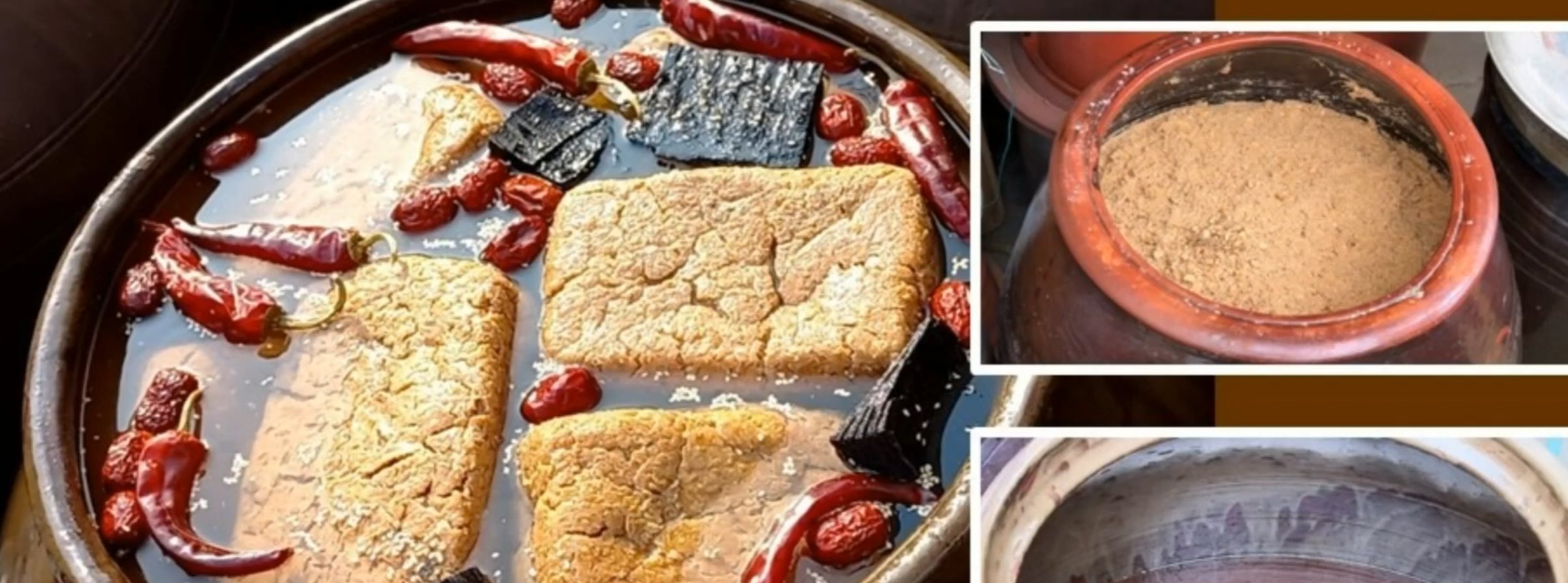
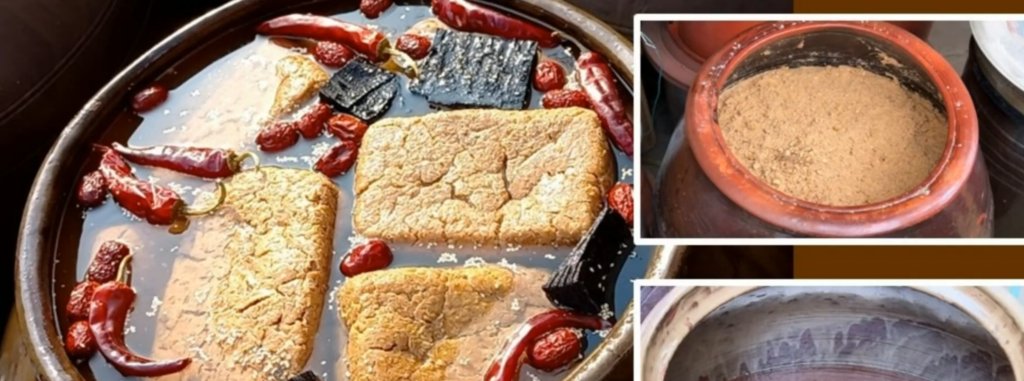
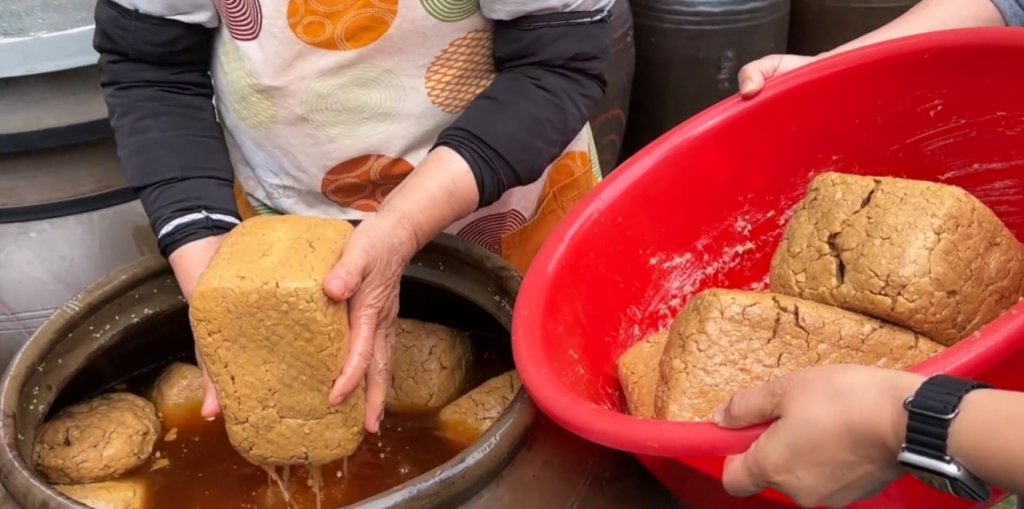
A closer look at how traditional soybean paste is made in Korea
Fermented Foods as the Foundation of Korean Meals
Korean home cooking heavily relies on fermented ingredients. Ganjang (soy sauce), doenjang (soybean paste), jeotgal, and gochujang (red pepper paste) are all representative fermented foods used in Korean households.
Korean dining tables frequently feature soups and stews seasoned with jang. Kimchi and jangajji (pickled vegetables) made by fermenting vegetables are indispensable. Jeotgal and sikhae (fermented fish dishes) made from fermented seafood also grace Korean tables.
Grain-Based Fermented Foods in Korea
Most Korean alcoholic beverages made from fermented grains, and the vinegar produced from them, represent a diverse and unique world of fermented foods. As an agricultural culture, Korea developed traditional jang products (soy sauce, doenjang, gochujang, cheonggukjang), vegetable fermented foods like kimchi and pickles, seafood fermented products like jeotgal, and grain-based fermented alcoholic beverages and vinegars.
Korean fermented foods—jang, kimchi, jeotgal, and vinegar—are ultimately foods that share the same culinary philosophy.
The traditional soybean paste making process in Korea – LINK
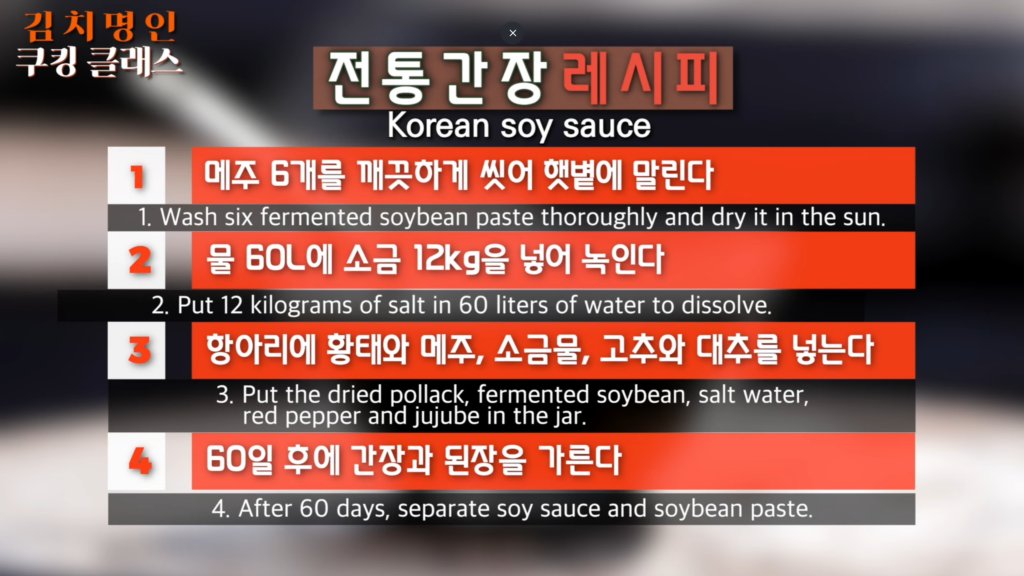
The traditional soy sauce-making process in Korea – link
The Ancient History of Korean Jang
It’s difficult to pinpoint exactly when Koreans began making and consuming jang. Soybeans, native to the Manchurian region, are the main ingredient in jang products. It appears that people in Goguryeo began making jang from soybeans around the 3rd century. This product, called “si” (豉), was introduced to China and later spread to Japan around the 8th century during the Unified Silla period.
Kimchi: Korea’s Iconic Fermented Vegetable
Kimchi is Korea’s most representative fermented food, preserving vegetables through salting and fermentation while creating entirely new flavors. To store kimchi properly, the right temperature is essential.
When I was young, when kimchi-making season arrived, we would dig a hole in the yard, bury large earthenware pots, and store kimchi inside after sealing them. We would then retrieve kimchi from these underground jars year-round. These days, people use kimchi refrigerators for year-round storage, but it’s hard to replicate that authentic taste. Natural fermentation differs from refrigerated fermentation. Perhaps the true flavor of fermented foods comes from the continuous interplay between imbalance and balance.
Jeotgal: Korea’s Fermented Seafood Sauce
Jeotgal is a sauce made by salting fish and preserving it for long periods through fermentation. Only salt and fish are used—nothing else. The fish are typically small varieties from the sea, such as anchovies, sand lance, or other small fish, mixed with salt and sealed for storage.
The Nutritional Value of Jeotgal
While kimchi provides essential nutrients like vitamins A, B, C, and calcium, jeotgal serves as a means to obtain animal protein, iron, calcium, phosphorus, and other minerals in inland areas. Geographically, there was distance between the sea and inland regions, and preservation methods at that time were limited to drying or salt-fermentation, as these prevented spoilage, enabled long-term storage, and provided rich nutritional content.
The origins of both jeotgal and kimchi, like alcohol or yogurt, were likely spontaneous. Whether vegetables or fish, decomposition or fermentation naturally occurs in nature. Humans learned to distinguish which fish or vegetables decomposed by enzymes from fungi or mold were edible and which were not.
Korean Alcohol and Vinegar: Connected Through Fermentation
Alcohol and vinegar are also fermented products. Korea has many types of vinegar: apple vinegar, persimmon vinegar (gamcho), and various others, each with its own unique flavor and aroma.
There’s a Korean saying: “If alcohol turns sour, make it into vinegar.” This comes from the tradition of fermenting leftover household alcohol to make vinegar. In Korean history, the origins of “alcohol and vinegar” are closely intertwined.
Makgeolli: Korea’s Traditional Fermented Rice Wine
The most popular fermented alcoholic beverage in Korea is makgeolli (rice wine). Vinegar was made by further fermenting makgeolli. Makgeolli vinegar paired best with Korean cuisine. Dishes like seasoned skate, seasoned hairtail, and seasoned fermented skate needed makgeolli vinegar to bring out their authentic flavors—a different taste from Western fruit vinegars like apple vinegar.
In historical texts, vinegar is referred to as “cho” (醋), which contains the character for alcohol (酉), indicating that vinegar originated from alcohol. Vinegar was once called “gocho” (苦醋), meaning “bitter alcohol,” and this term appears frequently in ancient literature. The culture of brewing alcohol naturally evolved into producing this important sour seasoning.
Modern Fermented Foods in 2026
Currently in 2026, commercially available vinegar and jeotgal are mass-produced and sold in large quantities at supermarkets. With advances in scientific technology, the fermentation industry has evolved from natural fermentation to selecting microorganisms and controlling fermentation conditions, enabling the production of desired end products.
As the functional benefits of fermented foods gain attention, research continues into developing functional foods and pharmaceutical products. Studies are also actively developing functional substances extracted from fermented foods as new materials.
The Global Recognition of Korean Fermented Foods
Korea’s unique fermented foods serve as seasonings that influence the taste of other side dishes in Korean meals while also holding significant value as standalone dishes. Research has shown that kimchi and doenjang produce various substances during fermentation that have anti-cancer effects and help prevent chronic diseases, bringing attention to fermented foods as beneficial for health.
In 2013, Korean kimjang—the practice of making kimchi—was inscribed on UNESCO’s Representative List of the Intangible Cultural Heritage of Humanity, introducing Korean kimchi to the world. In 2018, Korean “jang-making” was designated as a National Intangible Cultural Heritage. The Korean Cultural Heritage Committee selected “Korea’s Traditional Jang Culture” as a candidate for the 2023 UNESCO Intangible Cultural Heritage Representative List.
How to Enjoy Fermented Kimchi Abroad
For those eating Korean fermented foods overseas, here’s a simple tip: When you buy kimchi from a supermarket or Korean grocery store, don’t refrigerate it immediately. Keep it at room temperature for 1-3 days. This allows fermentation to continue, developing a richer sour and tangy flavor. In Korean, we say the kimchi “ripens.”
Authentic kimchi is not a sweet food. While some modern recipes add a spoonful of sugar, traditional kimchi contains no sugar. Even when I make quick geotjeori (fresh kimchi) at home, I never add sugar. In many ways, kimchi is a sugar-free food.
What Is Korean Food?
Fermentation is one of the key foundations that explains what Korean food is and why its flavors are so distinctive.
Why Korean Food Tastes Different
The deep and layered flavors of Korean cuisine come largely from fermentation, which explains why Korean food tastes different from many other cuisines.
Is Korean Food Healthy?
Because fermented foods support digestion and gut health, they play a major role in why Korean food is often considered healthy.