Which gochujang do Koreans actually use in their daily meals?
In Korea, gochujang varies widely in ingredients, processing methods, and regional styles, which explains the significant differences in price and flavor.
Traditionally, the most respected gochujang is made with Korean-grown red chili peppers, dried naturally and ground into chili powder. These ingredients are more expensive, but notably, sugar is not added when making traditional gochujang.
What is Gochujang?
Gochujang, along with soy sauce and doenjang, are fermented foods unique to Korea. It is a complex natural seasoning that harmoniously combines the sweetness of carbohydrate hydrolysis, the savory flavor of amino acids derived from the breakdown of soybean proteins, the spiciness of red peppers, and the saltiness of salt.
The general consensus is that red peppers were first used in sauces after the Imjin War, when they were introduced to Korea. The first record of gochujang appears in the late 1700s. The Augmented Forest Economy (Jeongbo Sanrim Gyeongje) (1766) states, “Take one mal of soybean-fermented maljang powder, three hops of red pepper powder, and one doe of glutinous rice powder, marinate them in good soy sauce, and let them mature in the sun.”
This suggests that gochujang was made and consumed at that time similar to what we eat today. After that, in the early 1800s, the 『Gyuhap Chongseo』 introduced Sunchang Gochujang and Cheonan Gochujang as specialties of the eight provinces.
Did Korean Families Traditionally Make Gochujang at Home?
In the past, many Korean households made gochujang at home.
The process required time, multiple ingredients, and the care of grandmothers and mothers. Because gochujang is a preserved fermented food, it cannot be eaten immediately after preparation. It must ferment for several months before it is ready.
Making gochujang at home used to be an annual tradition. However, as family sizes have decreased and modern lifestyles have become busier, fewer households continue this practice today.
What Are the Five Core Ingredients of Traditional Gochujang?
Traditional gochujang is made using five essential ingredients:
- Red chili powder (gochugaru)
- Meju powder (fermented soybean powder)
- Grain base (rice flour, glutinous rice, barley, or wheat flour)
- Malted grains or rice syrup (yeotgireum, jocheong, or grain syrup)
- Salt
The spiciness of chili peppers, the sweetness created from fermented grains, the umami from meju, the aroma of malted grains, and the saltiness combine to create gochujang’s deep, layered flavor.
Why Is Chili Powder the Most Important Ingredient?
Chili powder determines both the heat level and color of gochujang.
In Korea, chili powder grown in regions such as Yeongyang is considered premium quality. Many Korean mothers strongly prefer sun-dried red chili powder, often called taeyangcho, for its clean taste and aroma.
What Is Meju Powder and Why Does It Matter?
Meju powder supports fermentation and adds savory depth.
Soybeans are steamed, shaped into blocks, and tied with rice straw to ferment naturally. Beneficial molds develop during this process. The blocks are then washed, dried, and ground into powder.
Each household traditionally had its own method, so flavors varied from family to family.
How Do Grains Affect Taste and Sweetness?
Different grains—glutinous rice, rice, barley, or wheat—are used to create natural sweetness and texture.
Personally, I believe wheat is less traditional, as it has not been widely cultivated in Korea compared to rice and barley.
What Role Do Malted Grains and Salt Play?
Malted grains provide enzymes that convert starch into sugar.
Salt prevents spoilage and usually accounts for 8–12% salinity. Without salt, gochujang cannot be stored long-term. Traditionally, sea salt is preferred over refined salt.
Some families add homemade soy sauce for umami or rice wine to help control unwanted bacteria.
Are Artificial Additives Used in Traditional Gochujang?
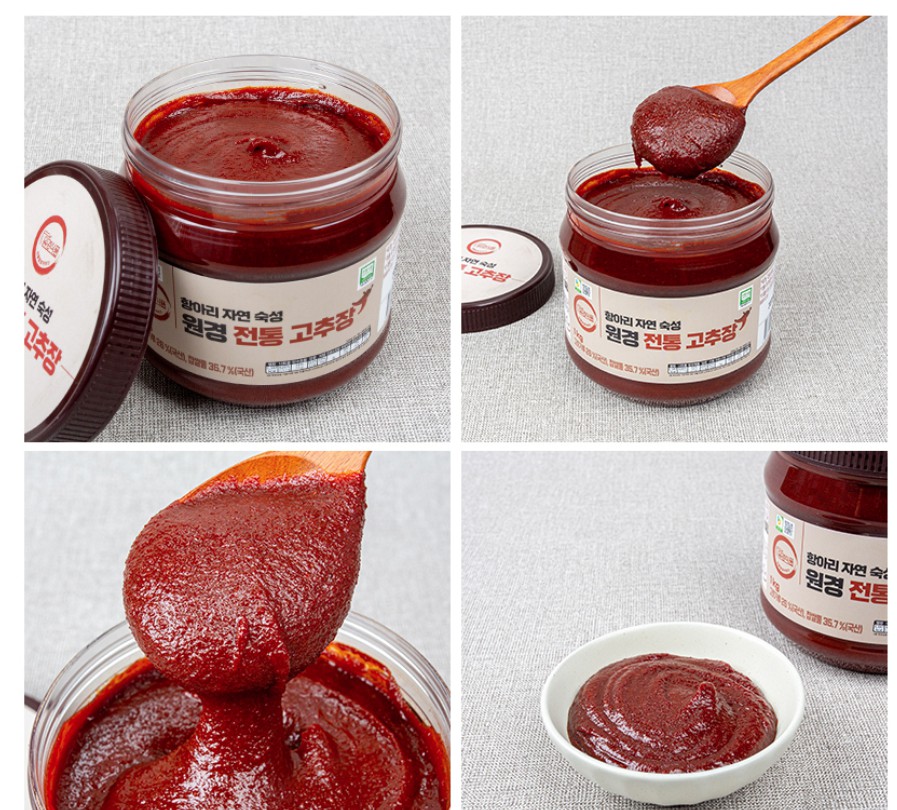
No. Traditional gochujang uses 100% natural ingredients.
Artificial flavor enhancers and MSG are not part of traditional recipes.
Why Does Traditional Gochujang Taste Different?
Although the base ingredients are the same, ingredient ratios determine sweetness, spiciness, and depth. Some regions add locally sourced natural ingredients.
If you ever have the chance, I recommend tasting gochujang aged for at least three years. The flavor becomes smooth, deep, and long-lasting.
What Gochujang Do Modern Korean Families Use?
Today, most Korean households buy gochujang produced by large manufacturers. There are countless brands available. For health and subtle umami, I personally recommend rice-based gochujang, even though it is more expensive.
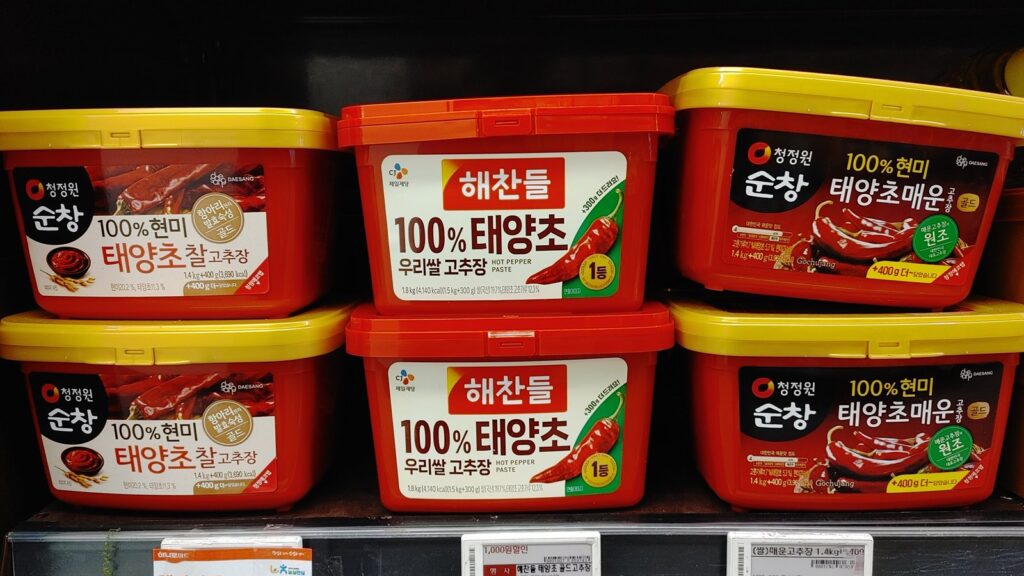
Korean restaurants usually use bulk-sized gochujang to reduce costs, which is why restaurant gochujang often tastes similar across different places.
Some products rely on wheat flour to speed fermentation, which is not traditional. The difference is similar to comparing maple syrup with refined sugar—both are sweet, but the quality and aftertaste differ.
How Can You Judge Gochujang Quality by Ingredients?
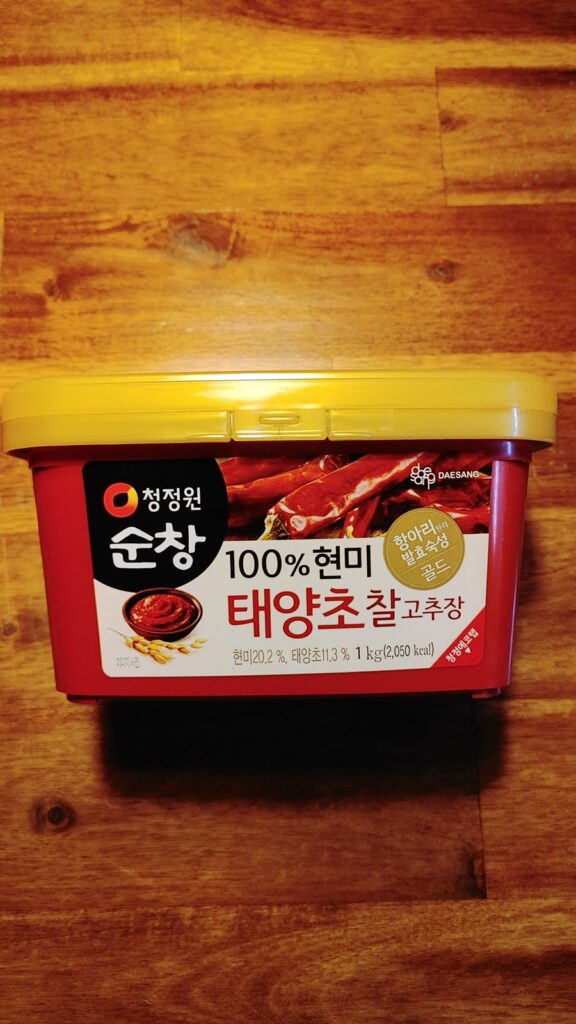
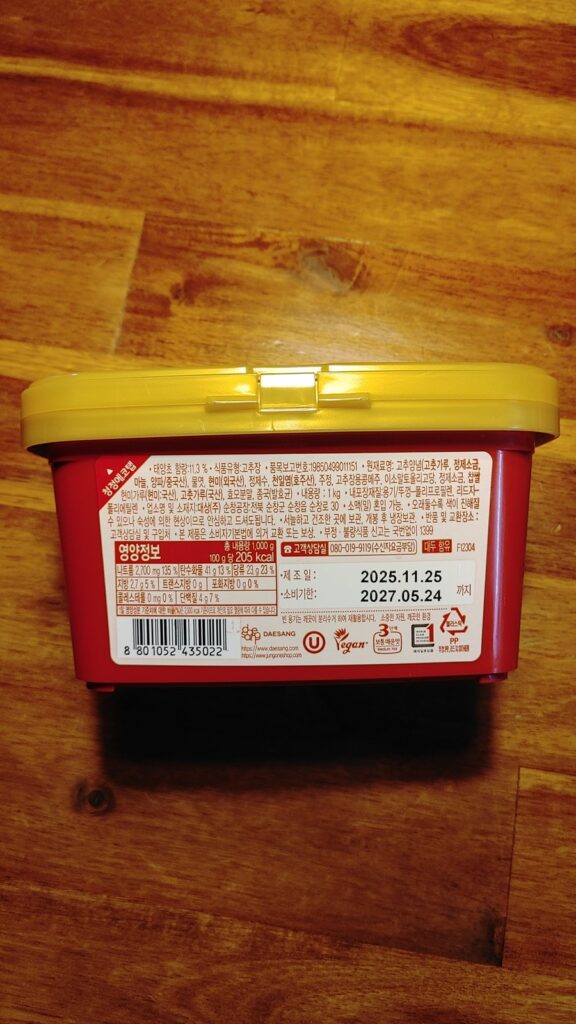
At home, traditional gochujang uses only the five basic ingredients. Ideally, chili powder should account for at least 20% of the total ingredients. Many commercial products contain much less.
Checking the chili powder ratio is one of the most reliable ways to evaluate quality.
What Are Authentic Traditional Ingredient Ratios?
Small traditional producers using 100% domestic Korean ingredients often follow ratios such as:
- Chili powder: ~26%
- Glutinous rice porridge: ~20%
- Meju powder: ~5%
- Malted grains: ~18%
- Sea salt: ~9%
- Rice syrup for mild sweetness
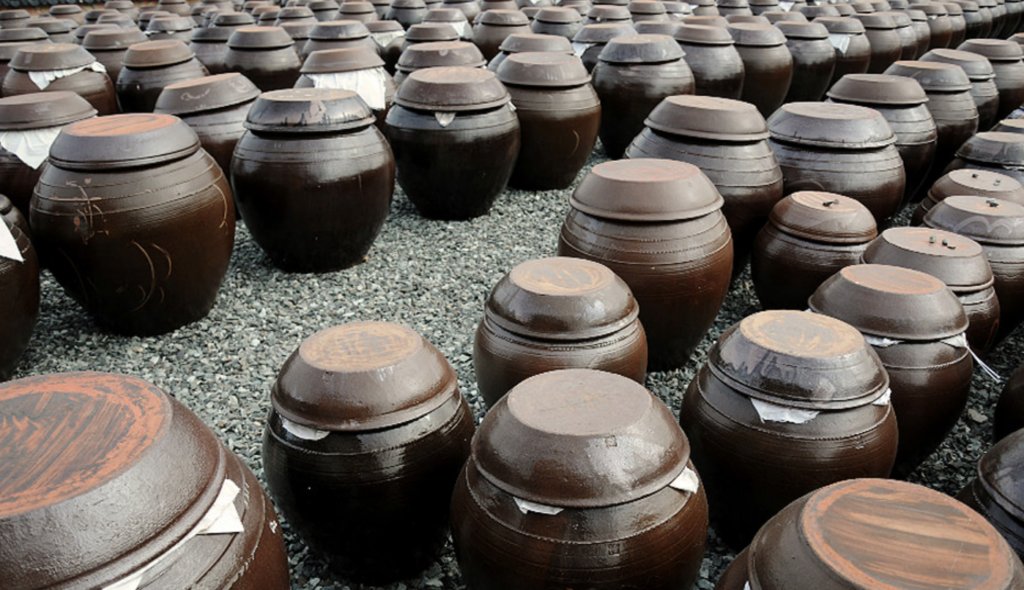
These ingredients are mixed and fermented in earthenware jars. No preservatives are added. Properly fermented gochujang can be stored 2–5 years, with flavor deepening over time.
Should Gochujang Be Refrigerated?
Traditionally fermented gochujang stored in earthenware jars does not require refrigeration.
Modern packaged products list refrigeration due to food safety regulations.
Why Is Traditional Gochujang More Expensive?
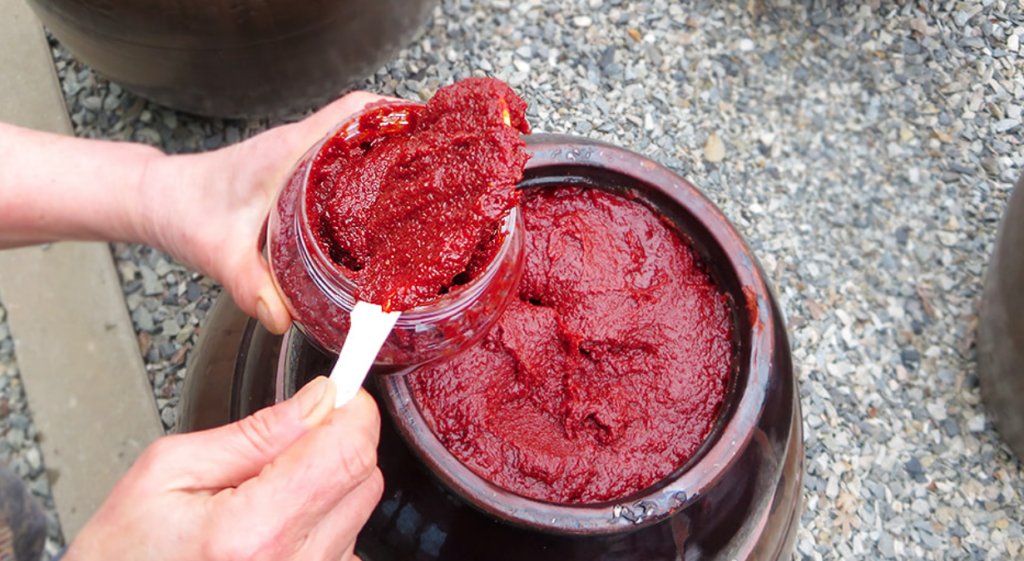
original gochujang – Haenam mart in South korea
Compared by weight, traditional gochujang can cost two to three times more than mass-produced versions. The main reason is ingredient cost. Korean-grown chili powder alone can cost two to five times more than imported alternatives.
Why Does Korean Gochujang Taste So Different?
The key factors are:
- Chili powder ratio
- Fermentation method
Understanding these explains why flavors vary widely, even among products labeled “Korean gochujang.”
Comparing Popular Gochujang Brands at a Korean Market
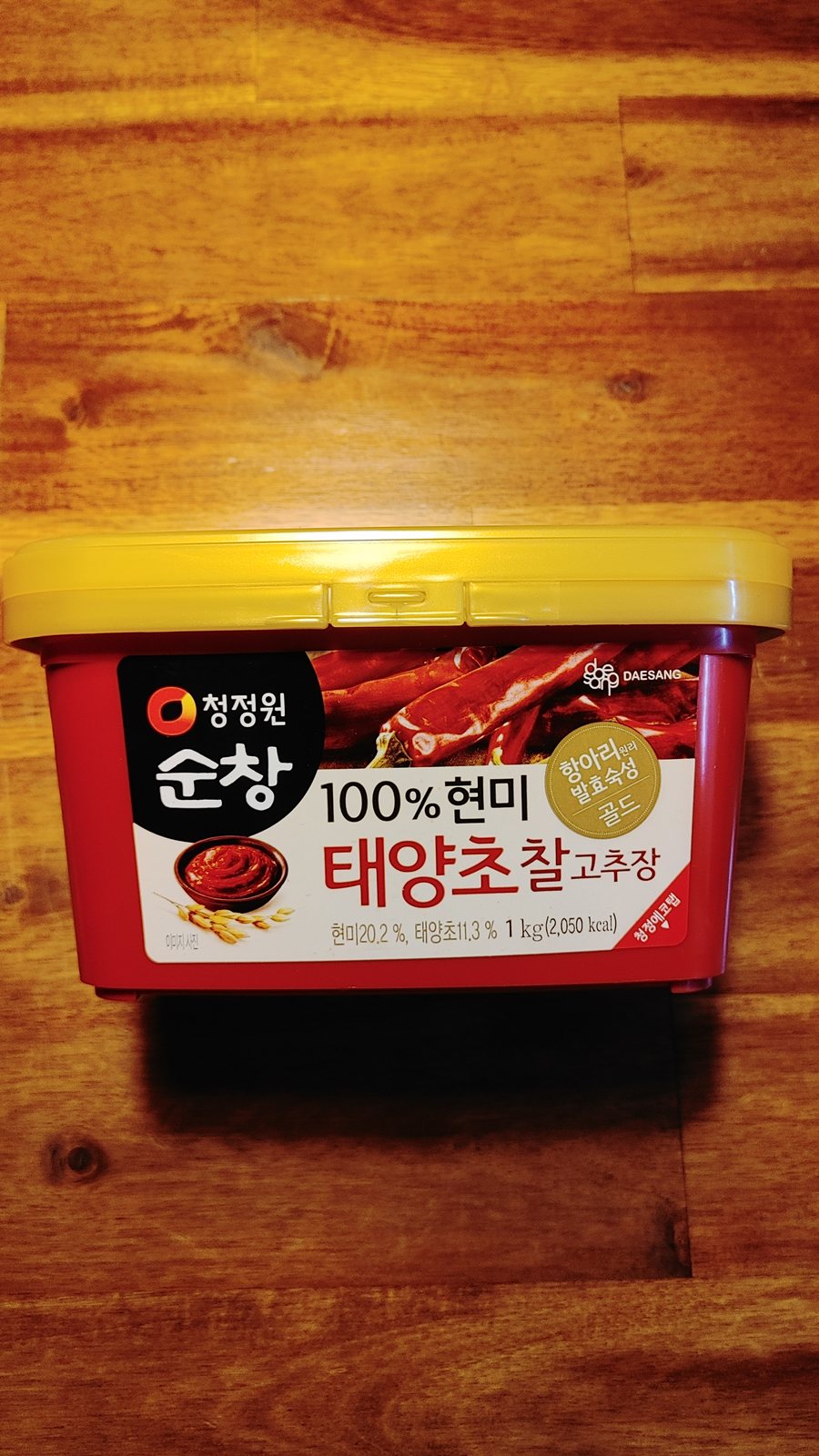
At a Korean cooperative market (NH Mart), I compared two widely sold brands:
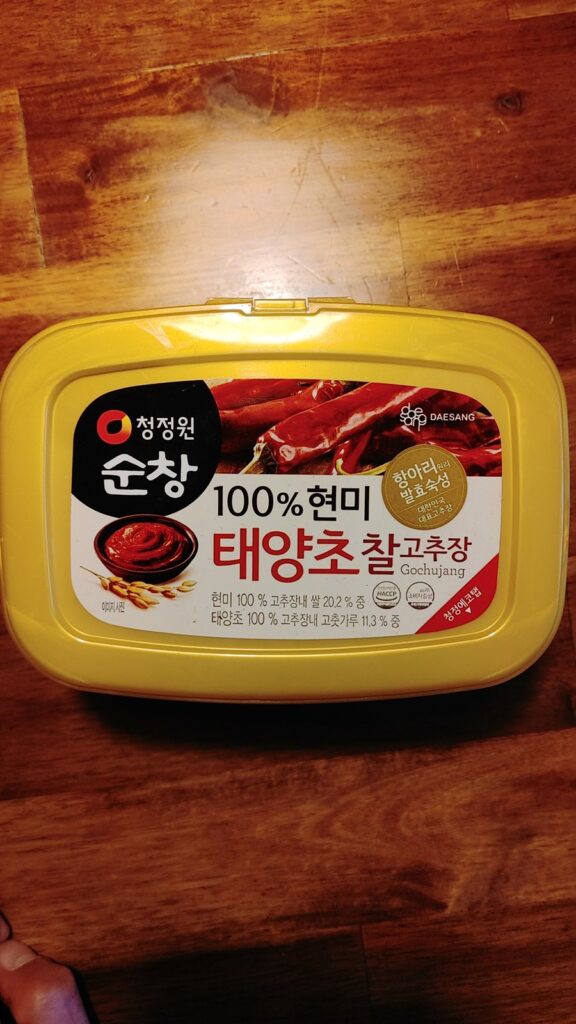
Chung Jung One Sunchang Brown Rice Gochujang
- Chili powder: 11.3% (Korean-grown)
- Brown rice: 20.2% (imported)
- Fermentation inspired by traditional jar methods
Haechandle 100% Sun-Dried Chili Gochujang
- Korean rice: ~21%
- Korean chili powder: ~1.3%
- Additional chili seasoning made with imported chili powder
I chose the Chung Jung One product. Differences among mass-produced brands are relatively small compared to traditional homemade gochujang.
What Gochujang Means in Everyday Korean Life
For centuries, the foundation of Korean seasoning has been soy sauce, gochujang, doenjang, and salt. These natural seasonings are combined with seasonal ingredients to create Korean meals.
Traditional gochujang is not aggressively spicy. Its true character lies in its subtle umami and lingering finish.
A Simple Korean Family Meal with Gochujang
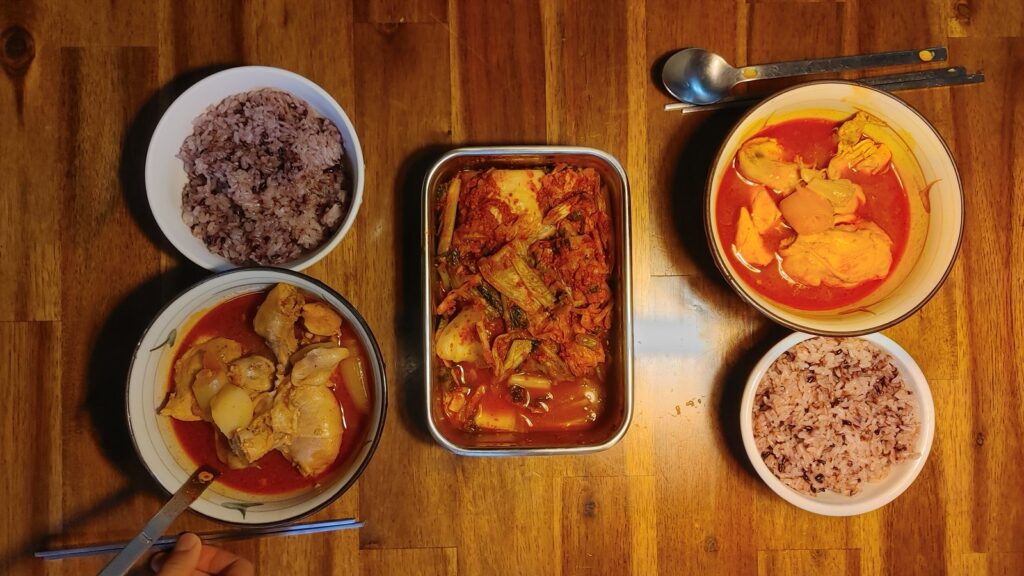
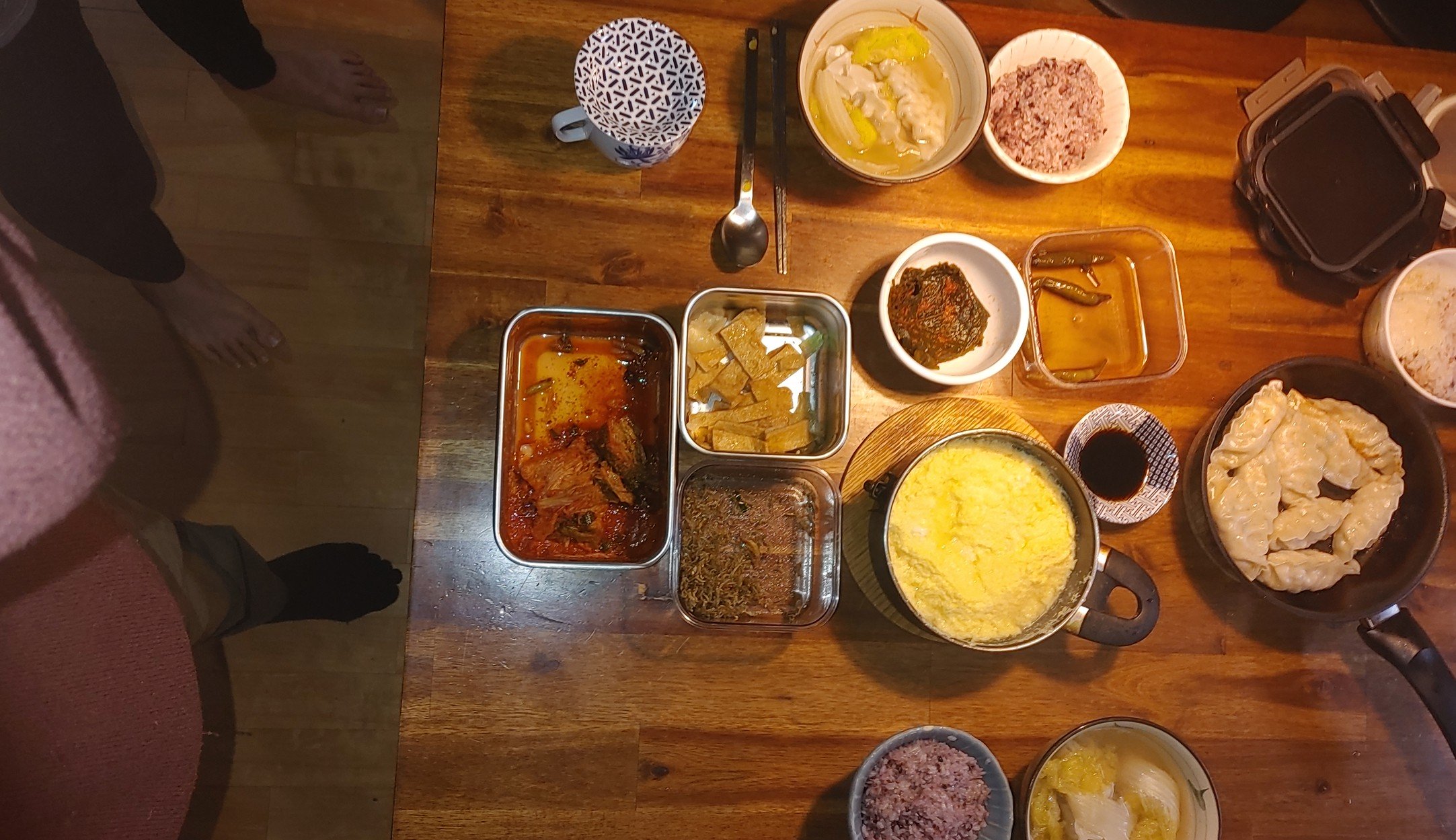
Today’s dinner with my son was simple: gochujang-braised chicken, kimchi, and rice. The chicken was simmered for about 30 minutes with gochujang, soy sauce, and ginger extract.
This is how gochujang continues to live—not as a product on a shelf, but as part of everyday Korean home cooking.