
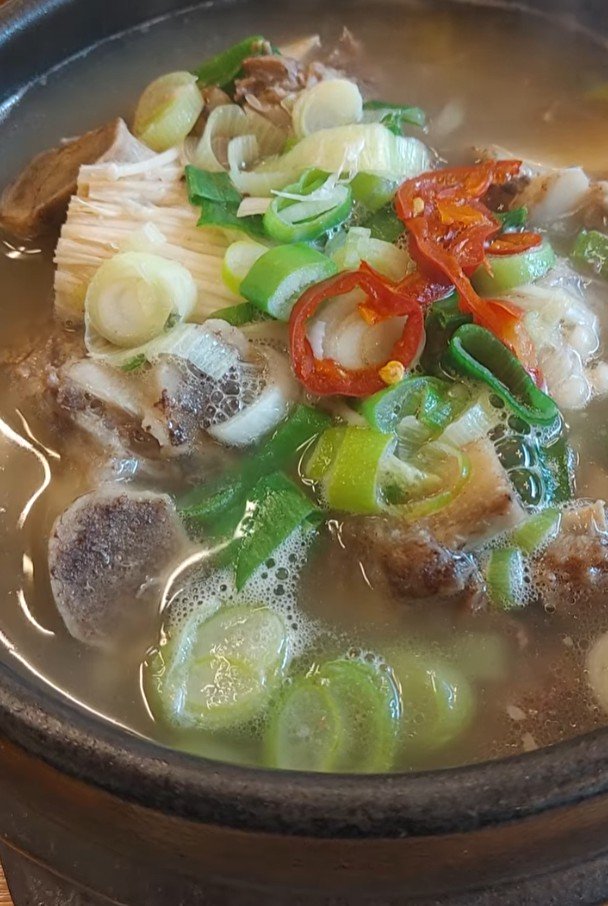
In Korea, serving soup (guk or tang) as part of a meal is not accidental. It developed from a grain-centered diet, where soup helped digestion, provided warmth, replenished nutrients and salt, and allowed large families to share meals even with limited ingredients.
Historically, Korea’s geography made water relatively easy to access, and meals often needed to be prepared and eaten efficiently. Combined with Confucian values that emphasized balance and harmony, the structure of rice, soup, and side dishes became the foundation of Korean meals.
Soup was never just a way to drink liquid. It represented warmth, balance, and practicality—an essential component of Korean food culture.
Why Is Soup Always Served in Korean Meals?
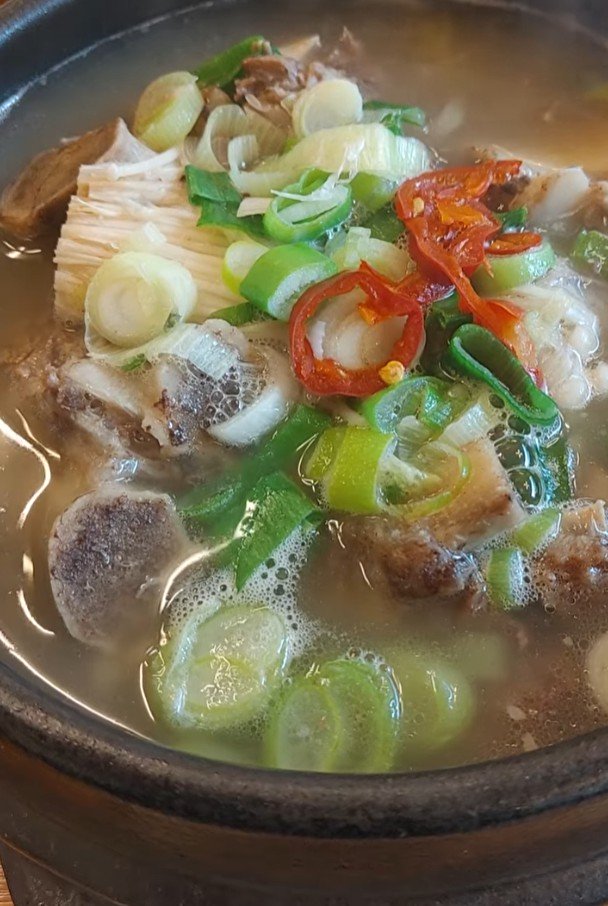
Soup became essential in Korean meals because it supported digestion in grain-heavy diets, provided warmth and hydration, and helped families share limited food resources efficiently. It also reflected Confucian ideals that valued balance, order, and harmony at the table.
How Did Soup Become Central to Korean Food Culture?
Korea’s historical and geographical conditions played a major role. Water was relatively easy to obtain, and meals often needed to be prepared quickly for large households. Soup allowed ingredients to stretch further while maintaining nutritional value.
Over time, the combination of practicality and cultural philosophy shaped soup into a permanent element of Korean meals.
What Role Does Soup Play in a Traditional Korean Meal?
Soup acts as a stabilizing element alongside rice and side dishes. This structure supports balanced nutrition and creates a comforting rhythm to daily meals.
In Korean dining culture, soup is not optional. It completes the meal and connects the individual components into a cohesive whole.
Is Soup About Nutrition, Digestion, or Efficiency?
The answer is all three.
By simmering small amounts of meat or vegetables in water for long periods, Korean households could extract protein and nutrients efficiently. This made it possible for many people to share a nourishing meal even when ingredients were scarce.
Soup also helps soften grains, supports digestion, and replenishes electrolytes, making it both practical and nourishing.
What Is Tangban Culture, and Why Does It Matter?
Tangban culture refers to the habit of eating rice together with soup—sometimes even mixing the rice directly into the broth. This allowed meals to be eaten quickly, warmly, and efficiently, especially during physically demanding days.
This practice reinforced soup’s role as the emotional and nutritional center of Korean meals.
How Many Types of Soup-Based Dishes Exist in Korean Cuisine?
Korean soup-based dishes are not limited to one category. They are generally divided into four main types:
- Guk (국)
- Tang (탕)
- Jjigae (찌개)
- Jeongol (전골)
Each category reflects differences in purpose, cooking method, and how the dish is shared.
What Is the Difference Between Guk, Tang, Jjigae, and Jeongol?
The biggest distinction lies in the ratio of broth to solid ingredients and how the dish is served.
Guk focuses on broth and is served individually. Jjigae emphasizes ingredients and is shared from a communal pot. Tang usually requires longer cooking times and is seasoned at the table.
Jeongol is often prepared for group dining and finished together at the table. Although these definitions sometimes overlap in daily life, they are culturally understood.
Why Do Koreans Consider Soup a Non-Negotiable Part of a Meal?
In traditional Korean dining, when counting side dishes, staples such as rice, soup, kimchi, sauces, and stews are excluded. This alone shows how essential soup is—it is assumed, not optional.
Even today, especially among older generations, a meal without soup feels incomplete. Some people will not even lift their spoon if soup is missing from the table.
Why Do Koreans Focus on Broth More Than Noodles?
This mindset is reflected in language and habits. Koreans often say they “boil” ramen rather than “cook” noodles, emphasizing the importance of the broth.
Even when eating noodle dishes like udon, Koreans tend to judge the dish by the quality of the soup, while Japanese diners focus more on the noodles themselves.
Is Korean Soup Similar to Western Soup?
While Korean soup may resemble Western soup on the surface, the concept is different. Korean soup is meant to be eaten with rice as part of a structured meal, not as a standalone course.
It functions as nourishment, balance, and comfort all at once.
Final Answer: Why Soup Matters in Korean Everyday Eating
Soup became essential in Korean meals because it brings together nutrition, efficiency, cultural philosophy, and emotional comfort.
In Korean cuisine, soup is not simply something to drink. It is the element that ties rice, side dishes, and people together into a complete meal.
Leave a Reply