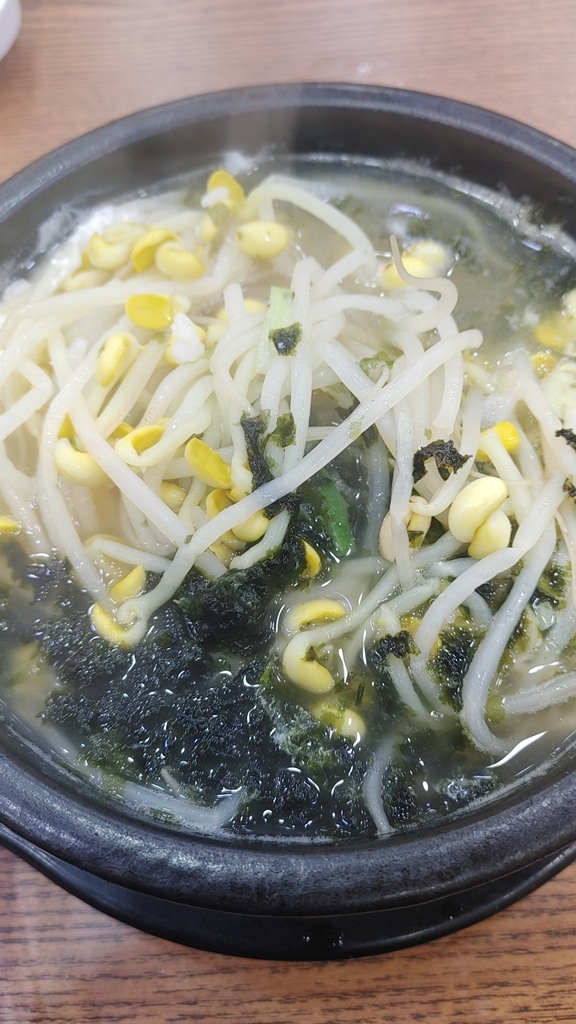
In Korean cuisine, tang refers to a type of soup made by boiling water with various vegetables, meat, or seafood. While often translated simply as “soup,” tang carries cultural, historical, and culinary meanings that go far beyond that single word.
What Is Tang?
The development of tang is closely tied to Korea’s traditional ondol heating system. Because Korean homes were heated using underfloor systems powered by fire, cooking heat from the same hearth (agungi) could be used efficiently. This constant access to heat made boiling and simmering foods natural and practical, allowing soup-based dishes to evolve deeply into Korean food culture.
Another important reason soup culture flourished in Korea is the historical availability of drinkable water. Long before modern infrastructure, Korea had relatively easy access to clean water, making broth-based cooking sustainable and widespread.
Why Did Soup and Tang Become So Common in Korea?
Hot, lightly salted broth pairs naturally with rice, which is a carbohydrate-heavy staple. This preference is closely connected to Korea’s climate, with cold winters and humid summers making warm, cooked foods easier to digest and more comforting.
Another practical reason is portion size. Historically and even today, Koreans tend to eat larger meal portions compared to neighboring cultures. To feed many people sufficiently, cooking methods that could expand ingredients with water were essential. Tang allowed small amounts of meat or vegetables to nourish entire households.
Despite common assumptions, many Korean soups are not high in calories. In fact, soups simmered for long periods often contain rich nutrients dissolved into the broth, making them easy to digest and nutritionally efficient—similar to Western soups in purpose, though different in structure.
Tang as Nourishing and Medicinal Food
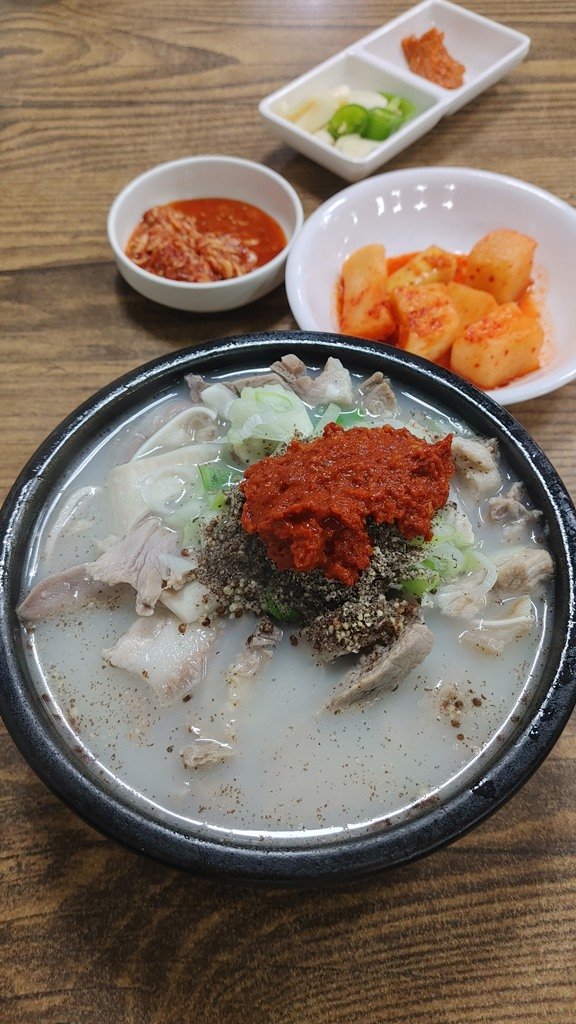
Pork offal is simmered in water for a long time to create a broth. The red color is a seasoning made with red pepper powder, soy sauce, and other secret recipes from the restaurant. This sauce adds a savory flavor. The good news is that it contains no artificial sweeteners, colorings, or chemical seasonings. – pic by tastykoreanfood.com
Soups made with precious ingredients were traditionally considered boyangshik (restorative foods). For people sensitive to raw or cold foods, boiled dishes were safer and gentler on the stomach.
In both cold seasons, when digestion weakens, and hot seasons, when food spoils easily, boiled soups remained a reliable and safe option. This practicality reinforced the role of tang as everyday nourishment rather than an occasional dish.
Tang, Jjigae, Jeongol, and Jorim: What’s the Difference?
Tang is often confused with jjigae (stew), but they differ in structure and purpose.
- Jjigae contains less water and more solid ingredients, resulting in a thicker, more intensely seasoned dish.
- When even less liquid is used, the dish may resemble jorim (braised food). However, jorim focuses on cooking ingredients in minimal liquid rather than enjoying both broth and solids together.
- Jeongol, on the other hand, is prepared at the table by adding raw ingredients to broth and cooking them together during the meal. Unlike tang or guk, it is interactive and communal.
Tang, guk, jjigae, and jeongol all emphasize harmony between ingredients and liquid, while jorim focuses on the ingredients themselves.
Tang in a Global Context
In Western cuisine, soups and stews also fall under the broad category of broth-based dishes. If soup corresponds to guk or tang, then stew occupies a position closer to jjigae. All share the common principle of using liquid as the foundation of cooking.
Japanese cuisine refers to soup-based dishes as shirumono (汁物), which includes miso soup and clear broths. Even Western consommé can be viewed within this broader category of soup-based cooking.
The Korean word gukmul (broth) originally meant “the water that makes up soup,” but today it also refers to stock or base broth. Expressions like “There isn’t even broth left” evolved to mean that nothing remains to be gained—reflecting how essential broth was in daily life.
What Does Tang (湯) Mean?
The word tang (湯) is a respectful or elevated term for guk. Dishes such as gomtang, galbitang, and seolleongtang often require long cooking times, and seasoning is typically adjusted at the table with salt or green onions.
Unlike guk, some tang dishes do not include the original cooking ingredients in the final bowl. Tang is usually served in individual bowls and emphasizes clear, deeply extracted broth.
Representative Korean tang dishes include:
- Galbitang (short rib soup)
- Gamjatang (pork bone soup)
- Samgyetang (ginseng chicken soup)
- Maeuntang (spicy fish soup)
- Chueotang (loach soup)
- Haemultang (seafood soup)
Interestingly, dakdoritang is not technically classified as tang due to its cooking method. International dishes such as shabu-shabu and mala tang are also examples of tang-style cooking.
Historically, the term tang referred broadly to boiled liquids. Even plain water was once called baektang (白湯), and during Korea’s modernization period, coffee was sometimes referred to as “coffee tang.”
What Is Jeongol?
Jeongol is a traditional Korean dish cooked directly at the table. Raw meat, seafood, and vegetables are placed in a shallow pot, broth is added, and the ingredients are cooked together while eating. As the broth reduces, more stock is added, and the meal often ends with noodles or rice porridge cooked in the remaining broth.
The key difference between jjigae and jeongol lies in preparation:
- Jjigae is fully cooked before serving.
- Jeongol is cooked gradually at the table.
Tang Compared to Global Soup Cultures
Nearly every country has its own representative soup dishes. Japan is known for ramen, with broth styles varying by region. China is famous for hot pot, mala tang, and wonton soup. Thailand has tom yum, and Vietnam has pho.
In Europe, soup has historically been associated with poverty, stretching limited ingredients to feed many. French cuisine often elevated soup only by adding luxury ingredients. Colder regions such as Germany, Poland, and Russia developed hearty stew-like dishes instead.
Germany’s Eintopf, often associated with grandmothers’ home cooking, and British stews are examples of how broth-based dishes symbolize comfort worldwide.
So, What Is Tang in Korean Food?
Tang is not just soup. It is a reflection of Korea’s climate, history, cooking methods, and philosophy of nourishment. It represents warmth, efficiency, balance, and care—qualities that define Korean food culture itself.
Soup is only one part of the story. To understand how dishes like tang fit into daily meals, cultural traditions, and long-term eating habits, start with [What Is Korean Food?]
Soup and tang are never served alone. They exist alongside rice and multiple side dishes, known as [What Is Banchan?], which together create balance and variety in a Korean meal..
Leave a Reply