Author: admin

  • Why Korean Food Tastes Different: Fermentation, Seasons, and Home Cooking

    Fermentation, Seasons, and the Taste of Home

    Korean food tastes different—not in one dramatic way, but in many subtle ways.
    As a Korean, I can say that this difference does not come from a single ingredient or recipe.
    It comes from how food has been made, stored, and eaten at home for generations.

    To understand Korean flavor, it helps to start in the kitchen of my mother’s generation.


    The Foundation of Korean Flavor: A Simple Home Pantry

    In my mother’s kitchen, there were no shelves filled with bottled sauces.

    Liquid seasonings were limited to:

    • Soy sauce
    • Sesame oil
    • Perilla oil
    • Grain syrup (mulyeot)
    • Fish sauce
    • Cooking oil

    For soups and stews, there were always:

    • Gochujang (red chili paste)
    • Doenjang (soybean paste)
    • Dried anchovies for broth

    Every household kept homemade gochujang, doenjang, and soy sauce at all times.
    Red chili flakes were used when extra heat was needed.

    Seasoning was simple:

    • Salt
    • Sugar (used sparingly)
    • Grain syrup
    • Fish sauce

    Sweet food was rare. Sugar was not widely used the way it is today.


    Fermentation Takes Time—and Creates Difference

    In my mother’s generation, fermented sauces were made at home.

    • Preparation: 1–2 months
    • Fermentation: at least 1 year
    • Consumption: often after a full year or more

    This meant that every household’s sauces tasted different.

    In coastal areas, families often made their own fish sauce as well.
    So when you ate at a friend’s house, even a simple doenjang stew tasted different from home to home.

    This is one of the deepest reasons Korean food flavors vary so much.


    Everyday Korean Meals: Rice, Soup, Side Dishes, Kimchi

    A typical home meal consisted of:

    • Rice (white rice or mixed grains)
    • Soup (seasonal)
    • Side dishes
    • Kimchi

    Rice might be plain or mixed with barley, black beans, or other grains.
    Soups changed with the seasons—doenjang soup, vegetable soup, or light broths.

    Side dishes depended heavily on seasonal vegetables, making their range almost limitless.

    Despite the variety, most dishes began with the same base:
    homemade soy sauce and doenjang.


    Climate Shapes Taste More Than People Realize

    Korea has four very distinct seasons, and the climate plays a major role in flavor.

    A common joke is that people from Africa say Korean summers feel hotter—not because of temperature, but because of humidity.
    Likewise, visitors from cold countries often say Korean winters feel colder due to damp air.

    This extreme seasonal contrast forced Korean cuisine to adapt:

    • Fermentation for winter
    • Lighter foods for summer
    • Warm, comforting soups in cold months

    Flavor developed as a response to survival, not indulgence.


    Restaurant Food vs Home Food in Korea

    Most visitors to Korea experience Korean food through:

    • Street restaurants
    • BBQ places
    • Bibimbap shops

    These meals include many side dishes, but their flavors are often standardized.

    At home, food serves a different purpose.

    When I felt unwell, my mother didn’t take me to a restaurant.
    She made chicken soup simmered with medicinal herbs in a pressure cooker.

    This is the key difference between restaurant food and home food in Korea.


    Understanding Korean Meals Through a Western Comparison

    If we compare Korean meals to hamburgers:

    • Bread → Rice
    • Patty → Main dish
    • Vegetables & sauces → Side dishes
    • Condiments → Fermented Korean sauces

    The difference is that in Korean meals, everything is served at once, and side dishes change constantly based on season and availability.


    Where to Taste the Real Differences: Hansik and Set Meals

    If you want to experience the subtle differences in Korean food flavor, hansik (traditional Korean set meals) are the best choice.

    High-quality hansik restaurants often:

    • Use seasonal vegetables
    • Prepare side dishes daily
    • Sometimes use house-made sauces

    Many commercial doenjang stews taste similar today due to factory-produced pastes.
    This is why many Koreans say, “I miss my mother’s doenjang stew.”


    Why Korean Food Is Often Said to Have “Less Umami”

    Meat has become more common, but traditionally it was expensive.

    Even today, high-quality Korean beef (hanwoo) is costly.
    A modest beef meal for four can easily exceed $300 USD.

    Because meat was limited, Korean cuisine developed complex flavors through time, technique, and fermentation, not through heavy animal fat.

    True umami in Korean food requires:

    • Time
    • Care
    • Cost

    Mass-produced food often replaces this with stronger, simpler flavors.


    Modern Flavor Confusion vs Traditional Balance

    Traditional Korean cooking respected separation:

    • Hot and cold
    • Light and deep
    • Main ingredient and seasoning

    Today, many dishes mix too many sauces at once, creating confused flavors.

    While some cuisines balance sweet, sour, salty, and spicy in one bite,
    traditional Korean food aimed for restraint and clarity, with sweetness historically kept minimal.


    Finding the Right Entry Point

    To experience Korean food properly, you don’t need luxury.

    Good starting points include:

    • Doenjang stew
    • Bibimbap
    • Chicken soup (baeksuk)
    • Simple set meals (baekban)

    Every Korean restaurant is different, and that difference is intentional.


    Final Thoughts: Taste Is a Personal Journey

    Korean food tastes different because it grew from:

    • Fermentation
    • Seasonal survival
    • Home cooking
    • Cultural restraint

    Every country has its own flavor identity, and Korean food is no exception.

    The best choice is yours—to explore, compare, and find the flavors that feel right to you.

    I find Google visitor reviews helpful when choosing a restaurant. However, because personal tastes vary, it might be a good idea to consult the Korean food Wikipedia to find your preferred dish or flavor before choosing a restaurant.

  • What Is Banchan? Understanding Korean Meals and Side Dishes

    What Is Banchan? Understanding Korean Meals and Side Dishes

    WHAT IS BANCHAN
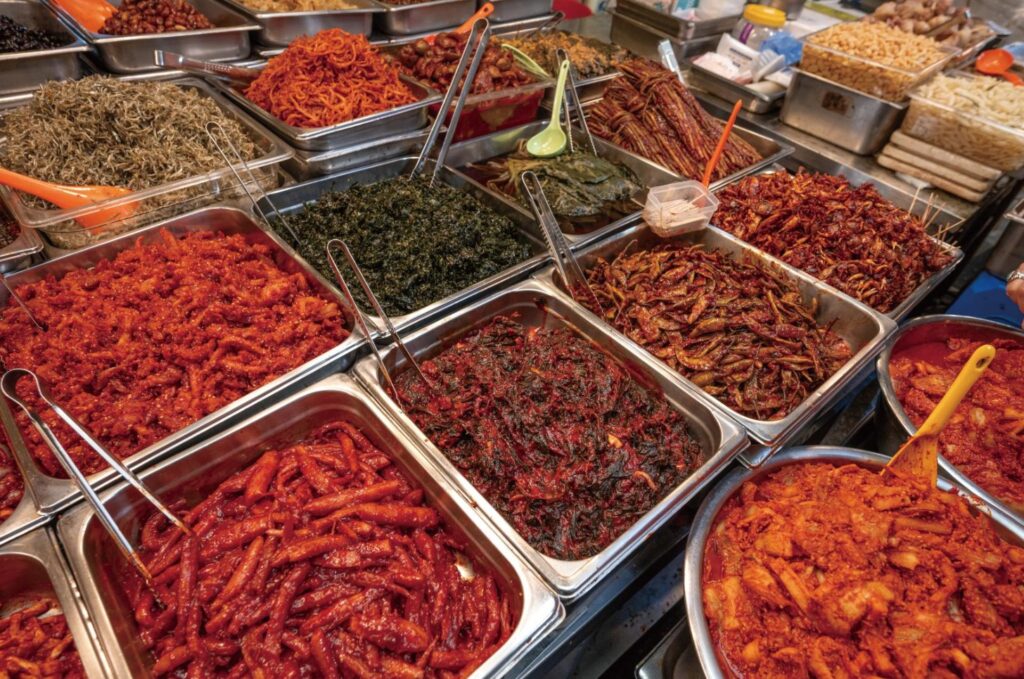
    Korean side dishes sold at the market / REFER TO 한국민속대백과사전

    What Is Banchan?

    Understanding Korean Side Dishes and Table Structure

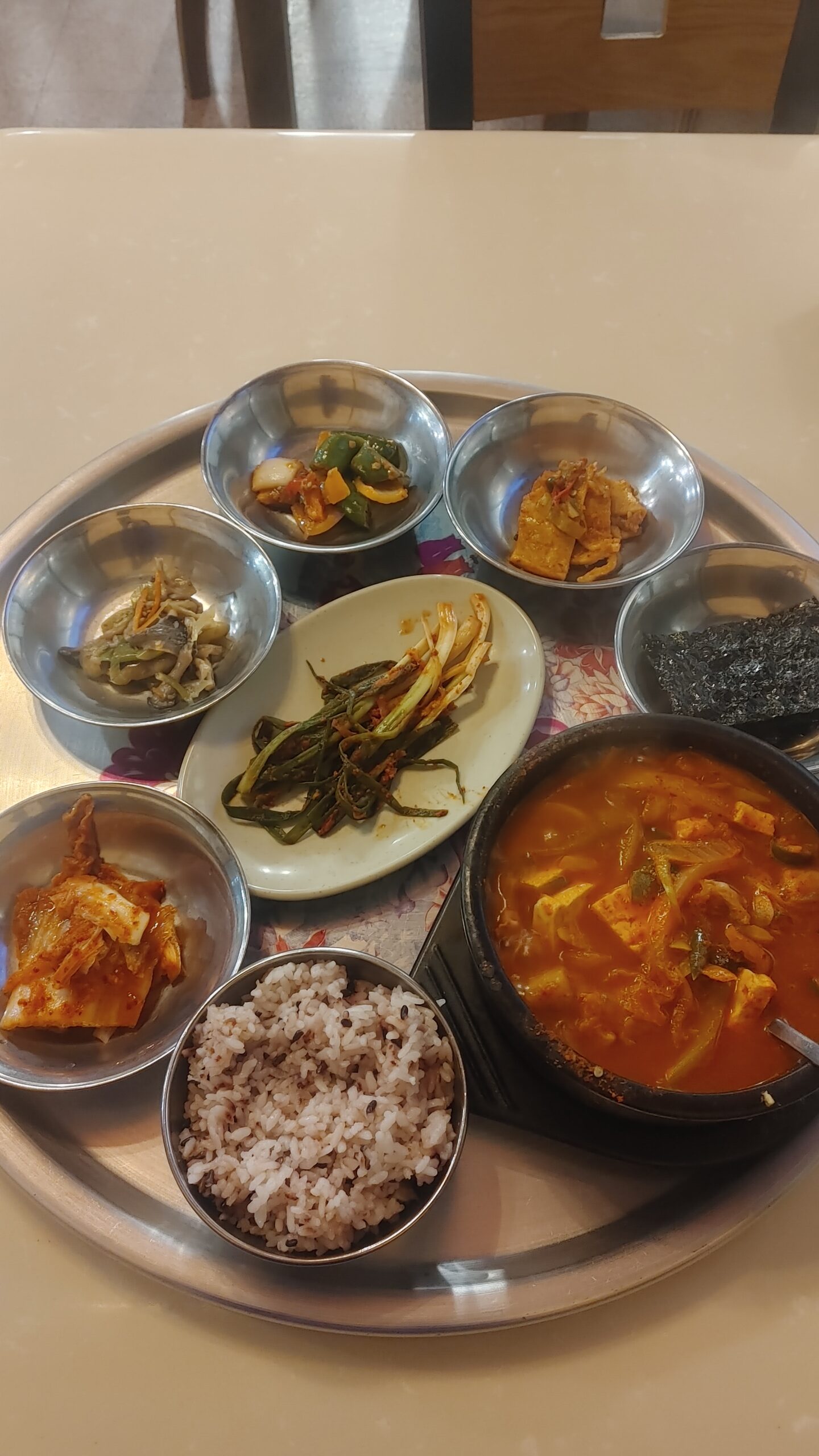
    In traditional Korean dining, rice is the staple food, and all accompanying dishes are considered banchan, or side dishes.
    Unlike Western meals, where side dishes are served alongside or after a main dish, Korean side dishes are placed on the table all at once, forming a complete meal from the beginning.


    The Traditional Korean Table Setting (Bansang)

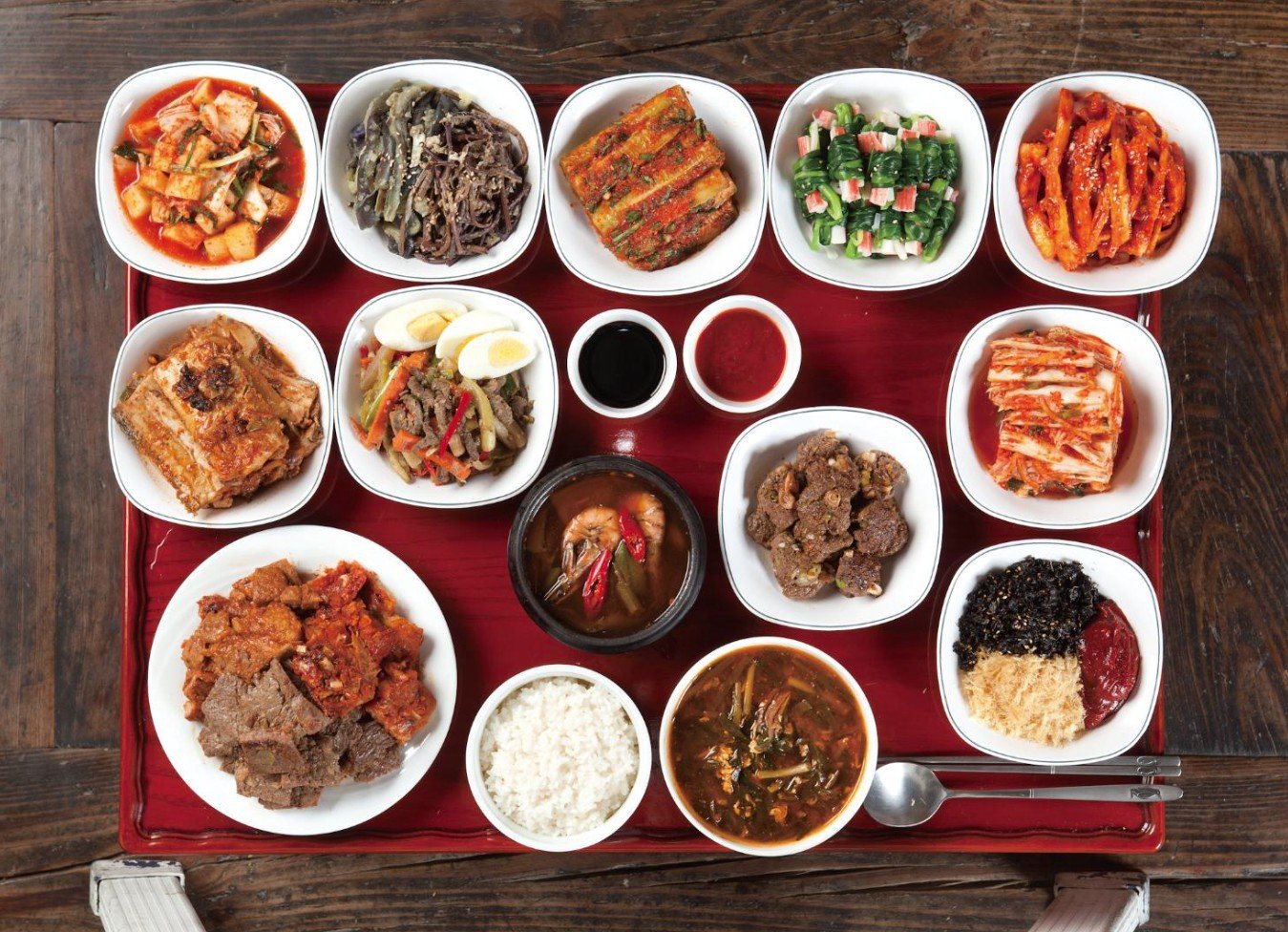
    A traditional Korean table setting, known as bansang, is organized around rice and soup.
    Side dishes are placed in small bowls, often with lids, called jaengcheop.

    The table is traditionally classified by the number of side dishes, excluding essential items such as:

    • Rice
    • Soup
    • Kimchi
    • Fermented sauces (jang)
    • Stews or hot dishes

    Based on the number of side dishes, Korean meals are described as:

    • 3-cheop table
    • 5-cheop table
    • 7-cheop table
    • 9-cheop table

    As the number of side dishes increases, the variety of kimchi, sauces, and fermented foods also expands.
    When preparing banchan, ingredients and cooking methods are carefully chosen so that no two dishes overlap in flavor or technique, and seasonal ingredients are always preferred.


    Banchan in Everyday Korean Homes

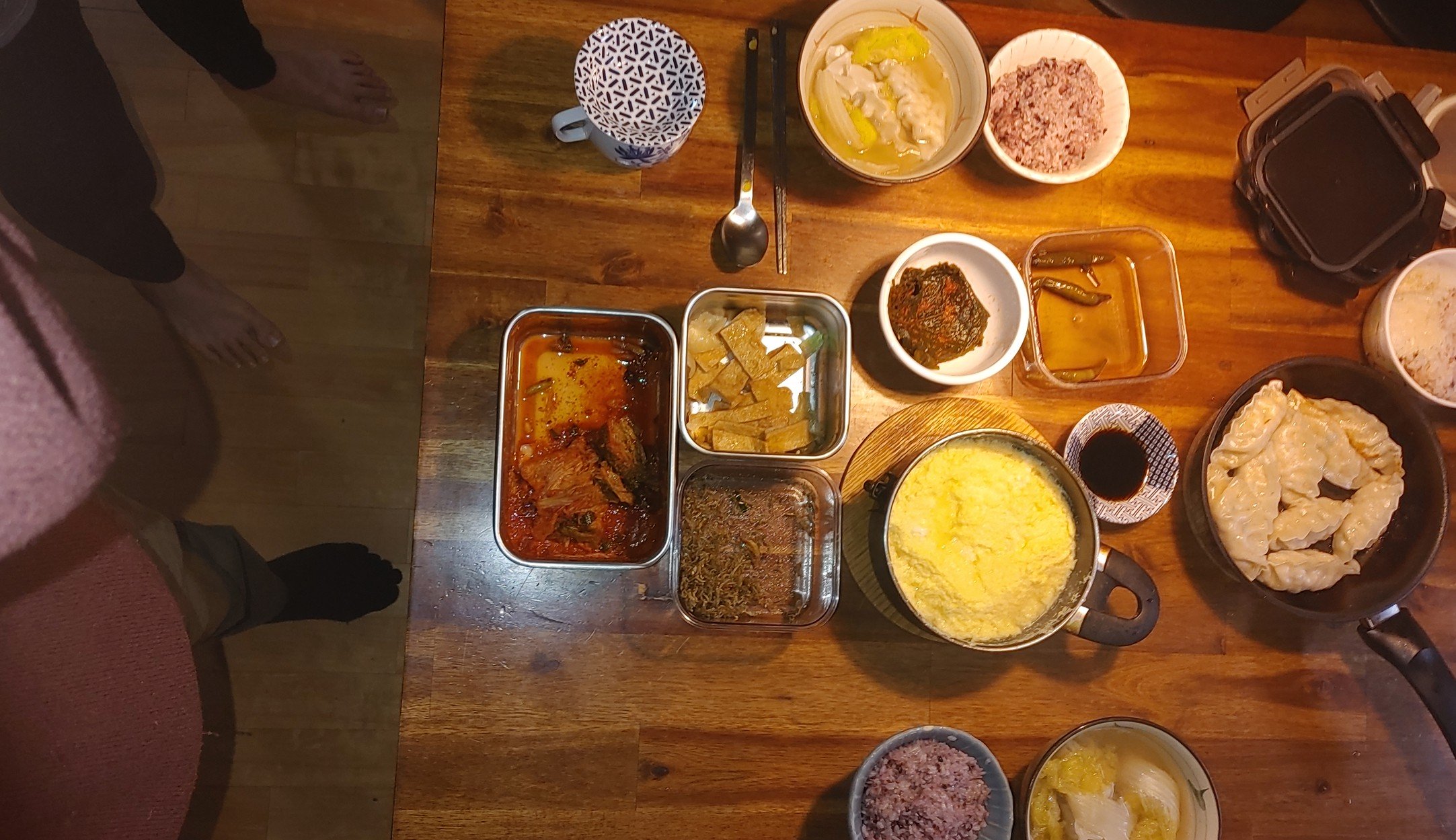
    Even today in Korea, most home meals follow this structure.

    If we compare it to the United States, it is similar to serving the main dish and all side dishes at the same time, rather than in courses.

    In Korea, almost everything on the table besides rice is considered banchan.
    However, the types of banchan served often change depending on the main dish of the day.

    One thing is constant: kimchi is always present.
    Beyond that, the variety depends on each household and the cooking skills of the person preparing the meal.

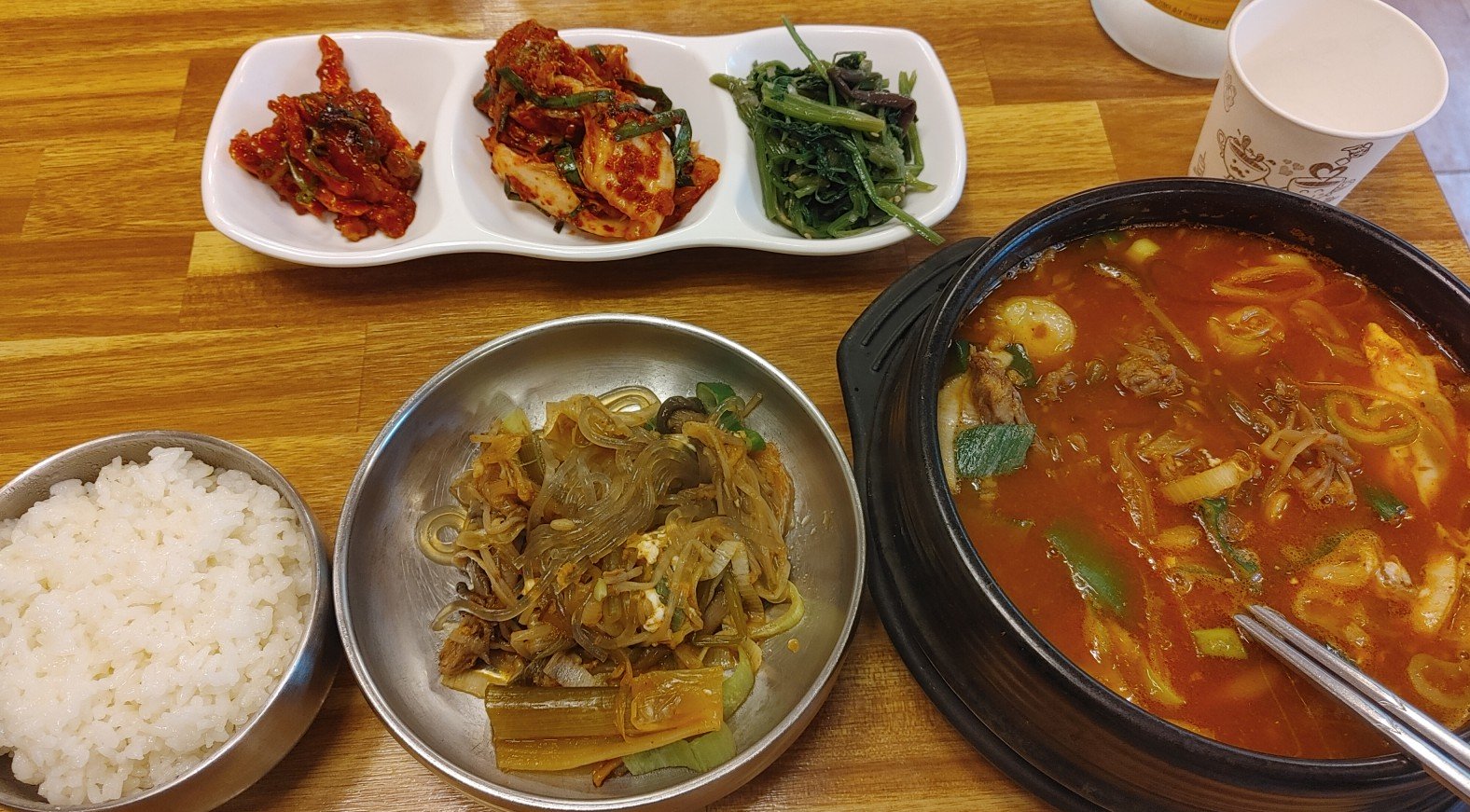
    For example, in my home, when we eat doenjang soup, the table usually includes:

    • Kimchi
    • Dried seaweed (gim)
    • Stir-fried fish cake
    • Spicy stir-fried pork
    • Soup served alongside rice

    Soups are also seasonal.
    In winter, we eat hot soups such as dried pollock soup, soybean sprout soup, or doenjang soup.
    If soup is not prepared, it is simply omitted—Korean meals are flexible, not rigid.


    What Does Banchan Mean in Daily Life?

    Banchan refers to any food eaten together with rice during a meal.

    Common expressions in Korean include:

    • Lunchbox side dishes
    • Spicy side dishes
    • Salty side dishes
    • Side-dish shops (banchan stores)

    People often say things like:

    • “There aren’t many side dishes today.”
    • “My favorite side dish is tofu made by my mom.”
    • “She has a great hand for cooking—every side dish she makes tastes good.”

    In Korean households, the number and quality of banchan often express care, celebration, or affection.


    What Are Dry Side Dishes (Mareun Banchan)?

    Dry side dishes are banchan prepared by stir-frying or simmering ingredients until there is little to no moisture.

    Examples include:

    • Stir-fried anchovies
    • Dried squid
    • Seasoned seaweed

    These dishes last longer and are easy to store, making them ideal for lunchboxes and everyday meals.
    Many Koreans prepare dry side dishes in large batches to save time during the week.


    What Is Banchangeori? (Side Dish Ingredients)

    Banchangeori refers to ingredients used to make side dishes.

    Common expressions include:

    • “We’re running out of side dish ingredients.”
    • “There’s nothing to make side dishes with.”
    • “I’m going to the market to buy ingredients.”

    Because food prices fluctuate, choosing seasonal ingredients is both economical and nutritious.


    What Are Mitbanchan? (Prepared Side Dishes)

    Mitbanchan are side dishes made in advance and stored for multiple meals.

    They are:

    • Easy to serve
    • Long-lasting
    • Essential for busy mornings

    Many Koreans rely on mitbanchan to quickly prepare breakfast or dinner without cooking from scratch.


    What Are Rice Side Dishes?

    Rice side dishes refer to any banchan eaten specifically to complement rice.

    In Korean meals, having three to five side dishes is considered standard, even for a simple home meal.
    This is why Koreans sometimes jokingly say, “There aren’t many side dishes today,” even when several dishes are on the table.

    Common expressions include:

    • “Delicious rice side dishes”
    • “There’s nothing to eat with rice”

    For many Koreans, the enjoyment of a meal depends on whether there is a side dish that pairs well with rice.


    Conclusion: Why Banchan Matters in Korean Food Culture

    Banchan is more than just side dishes.
    It represents balance, care, seasonality, and everyday life in Korean food culture.

    Rather than focusing on a single main dish, Korean meals are designed as a shared table, where rice and multiple side dishes come together to create harmony in flavor and nutrition.

    If you’re looking to try Korean side dishes, coming to Korea might be the best option. Many of these side dishes are made primarily with vegetables.

    You might ask, “What about the toxins in vegetables?” For hundreds of years, Koreans have used recipes designed to detoxify these vegetables, ensuring a safe and healthy nutrient intake.

    Don’t worry

    When eating in Korea, you’ll encounter a variety of side dishes. Especially when you’re eating your favorite side dish, if you say, “Auntie, please give me more side dishes,” they’ll give you more. It’s free, of course.

  • What Is Korean Food? Culture, Ingredients, and Philosophy Explained

    What Is Korean Food? Culture, Ingredients, and Philosophy Explained

    What Is Korean Food?

    Korean food is deeply connected to Korea’s dietary habits, geography, soil conditions, and long-standing Confucian culture.

    Rather than being defined by a few famous dishes, Korean food developed as a complete food system shaped by environment, history, and philosophy.


    How Geography Shaped Korean Food

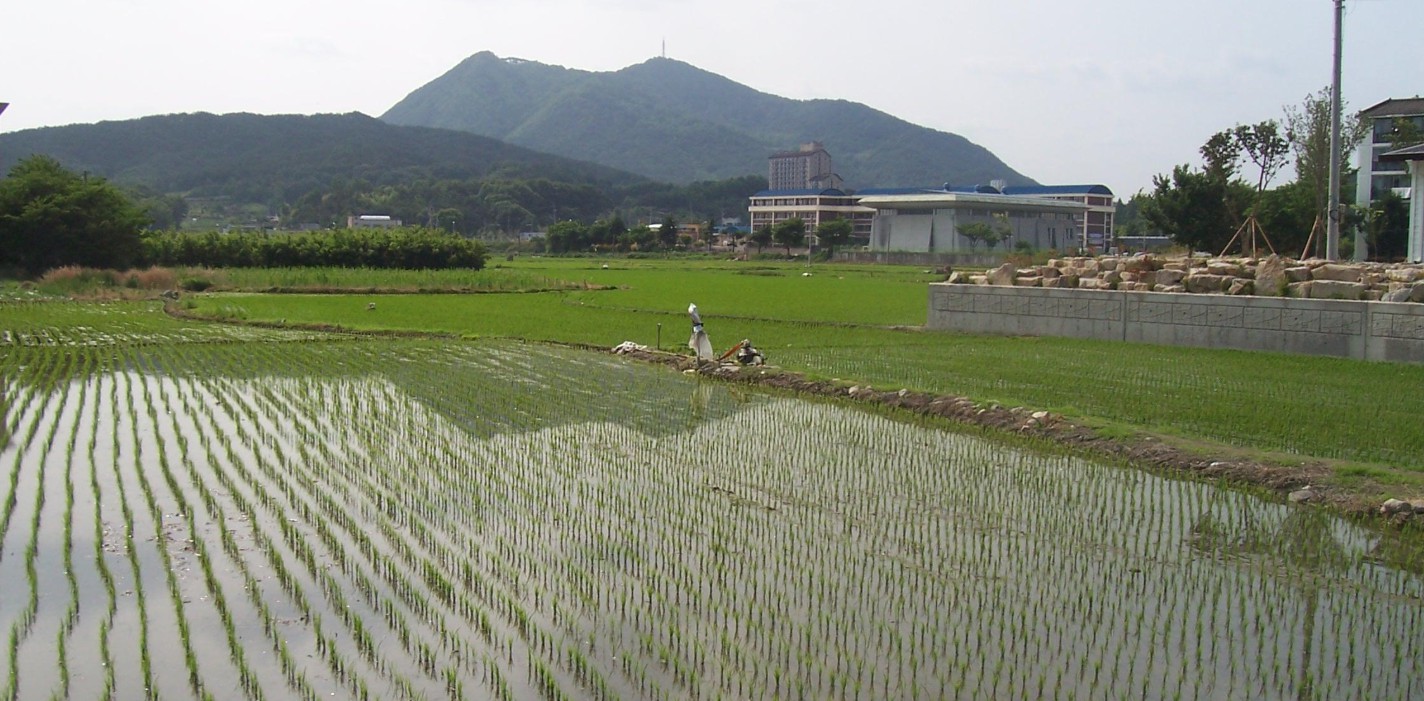
    Traditionally, the Korean Peninsula is mountainous, which made large-scale livestock farming difficult.
    Unlike countries such as the United States, Korea historically did not produce large amounts of beef, pork, or poultry.

    As a result, grains and vegetables became the foundation of Korean meals, while meat was used more sparingly as a complementary ingredient rather than the centerpiece of a dish.


    Clear Separation Between Staple Foods and Side Dishes

    One defining feature of Korean cuisine is the clear distinction between staple foods (main foods) and side dishes.

    • Staple foods are primarily grain-based, such as rice, porridge, noodles, rice cakes, and dumplings.
    • Side dishes are designed to balance nutrition, flavor, and texture using seasonal ingredients.

    Because Korea experiences four distinct seasons, ingredients and cooking methods naturally change throughout the year.
    In summer, Koreans prefer lighter, cooler foods, while in winter, warm soups and stews are commonly enjoyed.


    Why Seasons Matter in Korean Cuisine

    Korean food relies heavily on fermented ingredients, especially soybean-based products such as doenjang (soybean paste).About US

    Historically, winter food shortages made long-term preservation essential. Fermented foods like doenjang were developed as practical solutions, but they also proved to be nutritionally rich and scientifically sound.

    These fermented seasonings provided protein, minerals, and flavor during times when fresh food was scarce.


    Balance Between Plant-Based and Animal-Based Foods

    Modern Korean cuisine emphasizes balance rather than excess.

    Meals typically combine:

    • Plant-based ingredients such as vegetables, grains, and legumes
    • Moderate amounts of animal-based foods like meat or seafood

    When meat is the main ingredient, vegetables and mushrooms are added to support nutritional balance.
    When vegetables are the main ingredient, sesame seeds or sesame oil are used to complement nutrients and flavor.


    Food as Medicine: The Philosophy of “Yaksik Dongwon”

    Korean food is strongly influenced by the traditional belief of “Yaksik Dongwon (醫食同源)”, which means food and medicine share the same origin.

    This philosophy views everyday food as a way to support health and prevent illness.
    As a result, medicinal herbs have historically been used not only in medicine but also in foods, teas, and traditional alcoholic drinks.

    Examples include:

    • Yakgwa (traditional honey cookies)
    • Yaksik (sweet rice with nuts and fruits)
    • Yakju (herbal rice wine)

    Yin-Yang and the Five Colors in Korean Food

    Korean cuisine follows the principles of Yin-Yang and the Five Elements, expressed through the Five Colors (Obangsaek):

    • White
    • Black
    • Blue/Green
    • Red
    • Yellow

    Many traditional dishes are designed to include all five colors, symbolizing nutritional balance and harmony.
    Dishes such as gujeolpan, sinsunro, and japchae reflect this philosophy, often enhanced with garnishes like sesame seeds, pine nuts, chili threads, and egg strips.


    Food as Medicine: The Philosophy of Yaksik Dongwon

    Confucian values strongly shaped Korean cooking methods and dining etiquette.

    Traditionally:

    • Food was arranged carefully based on the diner’s seating position
    • Elders began eating first
    • Loud eating or excessive talking during meals was discouraged

    In many households, families waited for the head of the household to return before starting meals, emphasizing respect and family unity.

    While many of these customs have softened over time, their influence is still visible in modern Korean dining culture.


    Holiday Foods and Seasonal Traditions

    Korean food culture includes special dishes associated with holidays and seasonal rituals.

    Examples include:

    • Tteokguk (rice cake soup) eaten on Lunar New Year to wish for a safe and healthy year
    • Patjuk (red bean porridge) eaten during the winter solstice to ward off bad luck
    • Chuseok foods, prepared using newly harvested ingredients to honor ancestors
    • Ogokbap (five-grain rice) eaten on the first full moon to wish for good health

    These foods often carry symbolic meanings rooted in tradition and belief.


    Regional Korean Foods and Local Ingredients

    Although Korea is geographically small, its diverse terrain and climate gave rise to many regional cuisines.

    Local foods developed based on:

    • Crops that grew well in specific areas
    • Temperature differences
    • Local preservation methods

    This led to a wide variety of regional dishes and cooking styles across the country.


    Why Rice Is the Foundation of Korean Meals

    Just as bread is central in Western diets, rice is the foundation of Korean meals.

    Korea’s environment is well-suited to rice farming, and over time, Koreans developed a wide range of grain-based foods using rice and mixed grains.

    To support these grain-based meals, fermented seasonings (jang) and traditional sweeteners like yeot and jocheong were developed.
    Before refined sugar became common, malt syrup and grain-based sweeteners were the primary sources of sweetness.


    Traditional Malt (Yeotgireum) and Fermented Sweetness

    Yeotgireum is made by sprouting barley and drying it, producing enzymes that break starch into sugar.
    It plays a key role in making traditional foods such as sikhye, jocheong, yeot, and makgeolli.

    Unfortunately, many modern commercial products no longer use traditional malt.
    If you ever visit Korea, tasting jocheong offers a deeper understanding of traditional Korean sweetness.


    Cooking Methods and Nutritional Preservation

    Korean cuisine uses many boiling and steaming methods, which help minimize nutrient loss.
    Combined with fermentation, these methods support digestion and long-term health.

    Korean food includes:

    • Over 350 types of staple foods (rice, porridge, noodles, dumplings, rice cakes)
    • Over 1,500 types of side dishes (soups, stews, grilled dishes, stir-fries, pickles)

    Korean Food as a Complete System

    Korean food is not simply a collection of dishes.
    It is a holistic food system shaped by geography, seasons, philosophy, and culture.

    At its core, Korean cuisine seeks balance—between grains and vegetables, plant and animal foods, flavor and nutrition, and tradition and daily life.