Korean Flavors

Korean Flavors – This section explores the unique flavors of Korean cuisine, including spice, fermentation, and seasoning traditions.

  • How to Choose Healthy Korean Soy Sauce — Great as a Gift Too!

    How to Choose Healthy Korean Soy Sauce — Great as a Gift Too!

    Can You Bring Soy Sauce on a Plane?

    Korean soy sauce (ganjang), gochujang, and doenjang are all classified as liquids, which means they cannot be carried in your cabin baggage. Only containers of 100ml or less are permitted, and they must all fit inside a single clear zip-lock bag (1L size). Standard commercial bottles (500ml, 1L, etc.) cannot be brought on board as carry-on items.


    Why Healthy Sauces Matter

    People all over the world want to eat healthier food. While budget constraints don’t always make that easy, most people still prefer healthy, wholesome sauces and foods when they can. Personally, I define healthy food as something grown without chemical fertilizers or pesticides — made as close to nature as possible, with minimal processing.


    The Main Types of Korean Soy Sauce

    There are essentially two major categories of Korean soy sauce: yangjo ganjang (brewed soy sauce) and jin ganjang (dark soy sauce). There is also a third type worth mentioning — guk ganjang (soup soy sauce).

    Korea produces an enormous variety of soy sauces. Some products carry the name “ganjang” in name only, while others simply mimic the flavor of soy sauce. This comes down to production costs and pricing — if a product is too expensive, consumers hesitate to buy it, so manufacturers find a middle ground. Of course, the taste our parents cooked with when we were young also plays a decisive role in what we reach for at the store. If you love Korean food or want to bring authentic Korean flavor into your kitchen, this guide should help.


    What Is Yangjo Ganjang (Brewed Soy Sauce)?

    Yangjo ganjang is made by mixing soybeans or defatted soybeans with grains such as barley, rice, or wheat, adding koji mold, and then fermenting and aging the mixture in brine for six months to over a year. Unlike traditional Korean hansik ganjang, it is fermented with wheat, giving it a distinctively clean, mildly sweet taste and rich aroma. Most of the side dishes (banchan) you eat when visiting Korea are likely seasoned with yangjo ganjang.

    The production process involves naturally fermenting soybeans and grains using microorganisms (koji mold). However, for mass production, the natural fermentation time is often shortened through mechanical processes. From a health perspective, the amino acids and sugars produced during fermentation create a beautifully balanced umami flavor and fragrance. Because heat can alter its taste and aroma, it is best suited for dishes eaten raw — such as dipping sauce for sashimi or jeon (Korean pancakes), oriental-style salad dressings, and seasoned vegetable dishes (namul).


    What About Jin Ganjang (Dark Soy Sauce) and Mixed Soy Sauce?

    Most commercially available jin ganjang is actually a mixed soy sauce (honhap ganjang) — a blend of yangjo ganjang and acid-hydrolyzed soy sauce produced through a chemical process. The key difference from naturally brewed soy sauce lies in the production method: the fermentation period is shorter, and the overall production time is significantly reduced compared to other types.

    Mixed soy sauce is more heat-resistant than yangjo ganjang, making it the preferred choice for stir-fries and braised dishes. Compared to guk ganjang, it is darker in color and less intensely salty.


    Guk Ganjang (Soup Soy Sauce / Joseon Ganjang)

    Guk ganjang is a traditional Korean soy sauce made by fermenting meju (fermented soybean blocks) in salted water. It is primarily used to season soup-based dishes. Its color is lighter and its saltiness more pronounced, making it ideal for seasoning broth without darkening the color of the soup.

    My mother made ganjang every year and tended to it with great care. We called it joseon ganjang at home — an old and beloved name. She would sometimes wipe the earthenware jars with a clean white cloth if even a speck of dust settled on them. To her, ganjang was something precious — almost like a family treasure, a labor of love for our health. It is no exaggeration to say that guk ganjang has walked alongside Korean history itself.

    For reference, in Korea, joseon ganjang, guk ganjang, and hansik ganjang all refer to the same thing. Growing up, my mother always called it joseon ganjang.


    How Is Traditional Korean Soy Sauce Made?

    The core ingredients of authentic Korean soy sauce are simple: meju (fermented soybean blocks made from Korean-grown soybeans), Korean sea salt, and time.

    Here is how meju is made: soybeans are boiled or steamed until fully cooked. Misshapen beans are removed. The cooked beans are then compressed into a block — in the old days, they were wrapped in cloth, laid on plastic sheeting, and stamped underfoot to crush the beans and shape them into a mold. Today, hands are used instead of feet, but the process is essentially the same. The reason beans are crushed is to make fermentation easier. Once shaped, the blocks are bound with rice straw. The straw is key — it carries beneficial bacteria that transfer to the beans, encouraging the growth of healthy, edible mold.

    The meju blocks are then hung in a well-ventilated, shaded space. Over time, mold develops and the blocks become meju. They are then wrapped in blankets and kept in a warm place for 24 to 50 days for a second fermentation. To maintain a stable temperature, families used to place meju in the room where they slept, covering it with clean cloth and blankets. I still remember walking into the room and being hit by that powerful meju smell. I can no longer easily find that smell today — but I miss those days.

    When that smell filled the room, it meant the time to make ganjang or doenjang was near. All of this followed Korea’s 24 traditional seasonal divisions (jeolgi), each step proceeding in its natural order. Worth noting: in Korea, ganjang and doenjang are never made in spring or summer.

    Meju production begins after the soybean harvest in autumn — typically around the 10th or 11th month of the Korean lunar calendar.

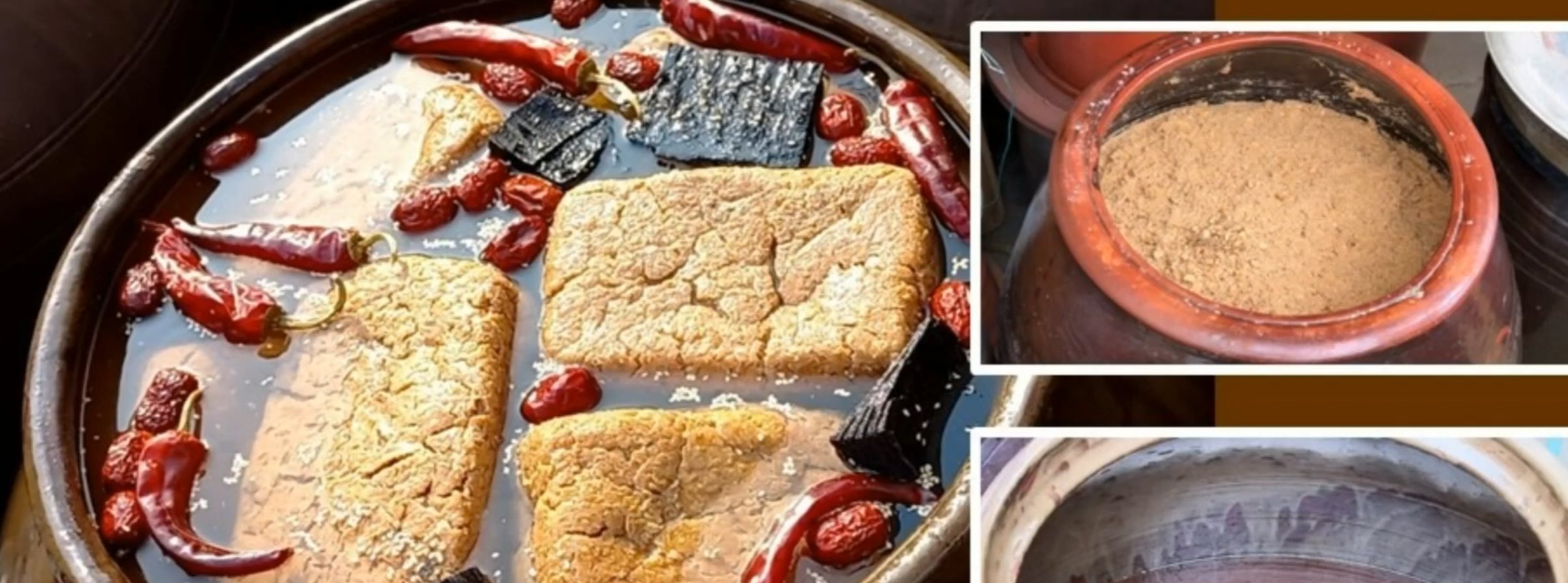
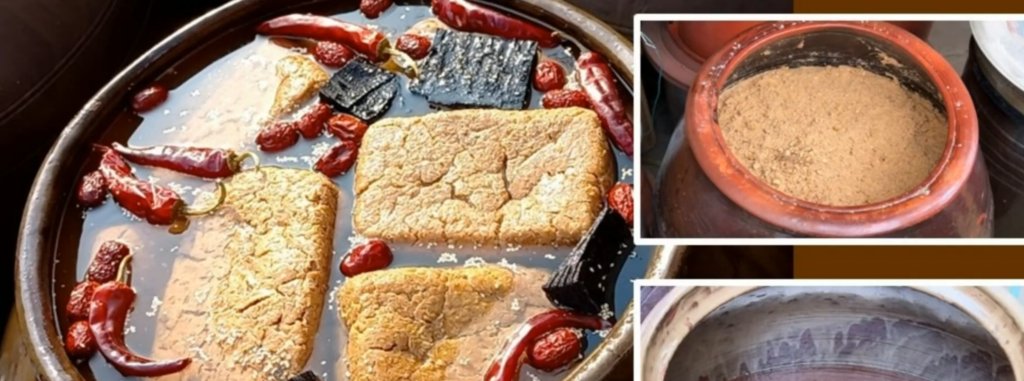
    Once the meju is ready, it is placed in an earthenware urn (jangdokdae), seasoned with salt and water. During the doenjang-making process, pieces of charcoal are also added — in Korean tradition, charcoal symbolizes purification and protection from bad energy. Over time, the meju inside the urn is broken apart, and with more time, what remains becomes the doenjang we eat. Of course, every family has its own slight variations, but the essence is the same — and every family’s ganjang and doenjang tastes a little different.

    For a step-by-step visual guide, visit: https://blog.naver.com/pyoun0181/223835920969


    Recommended Korean Soy Sauces Available at Stores

    There are countless varieties of commercially available Korean soy sauce — every region has its own brands and styles. Among them, here are some products that closely follow traditional Korean production methods.
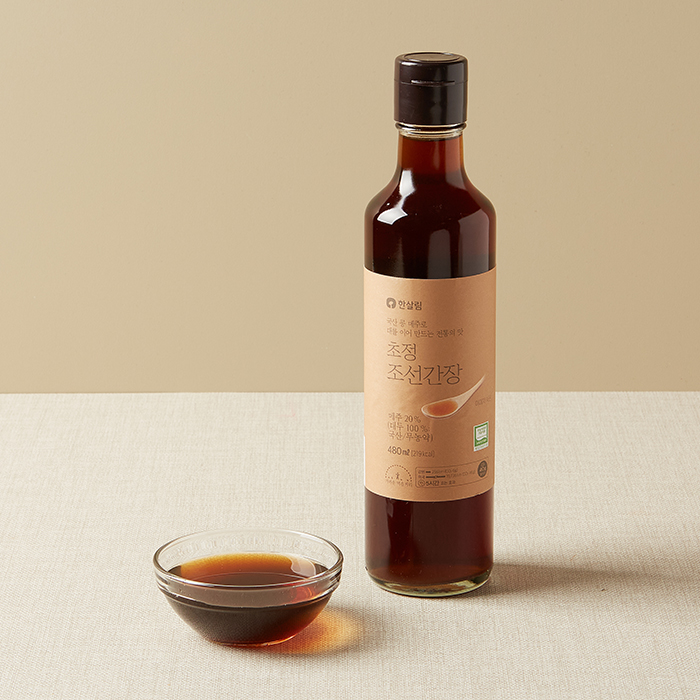

    Hansalim Joseon Ganjang / only buy hansalim membership / price is 9$

    Hansalim Joseon Ganjang (Water 60% + Meju 20% + Salt 20%) Made with real meju. The only ingredients are meju, salt, and water — exactly how authentic Korean soy sauce should be. Classified as joseon ganjang / guk ganjang.
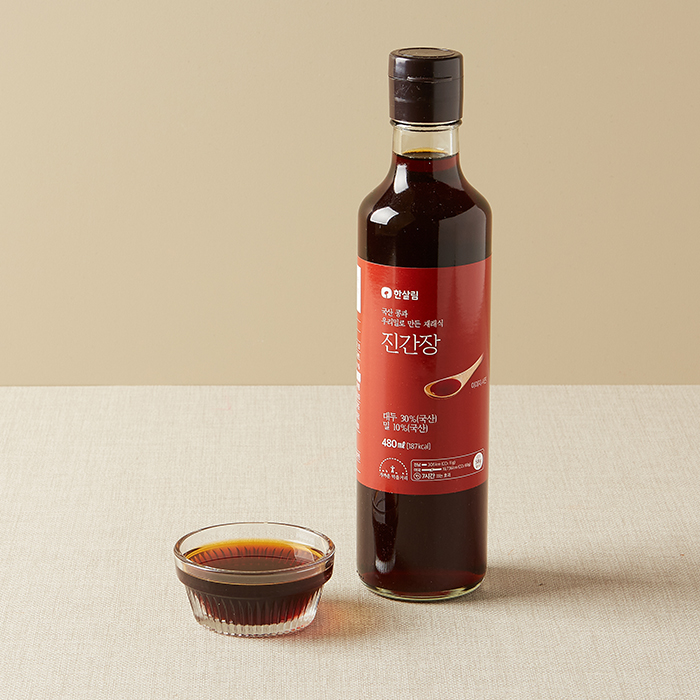
    Hansalim Jin Ganjang / pic = hansalim websites / price is about 4$

    Hansalim Jin Ganjang (Soybeans + Sea salt + Wheat 10% + Koji) A genuine brewed soy sauce made entirely from domestic Korean ingredients, using traditionally fermented meju. Classified as jin ganjang / yangjo ganjang.
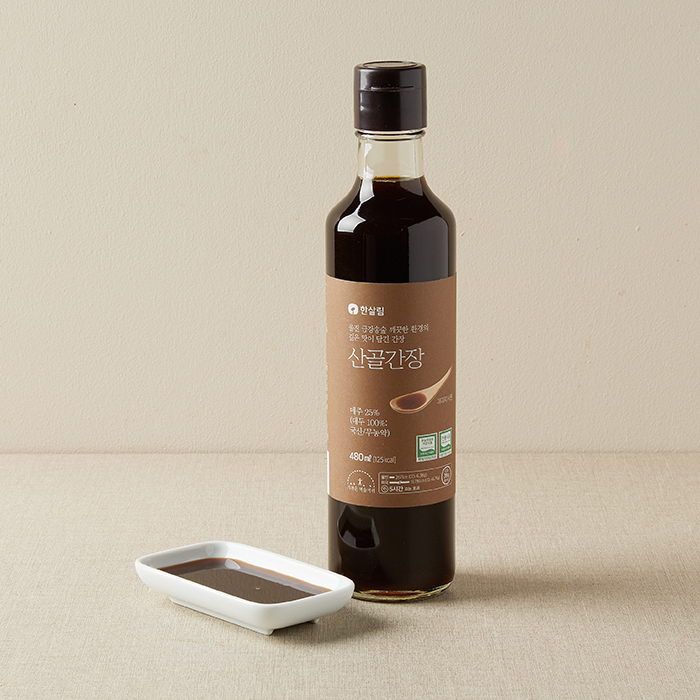

    Hansalim Sangol Ganjang / pic = hansalim website / price is about 9$

    Hansalim Sangol Ganjang (Mountain Valley Soy Sauce) (Purified water 57% + Meju 20% + Solar sea salt 18% + Jujube) A hansik (Korean-style) soy sauce made entirely from domestic ingredients. You could call this the most original form of Korean soy sauce — jujube adds a subtle depth.
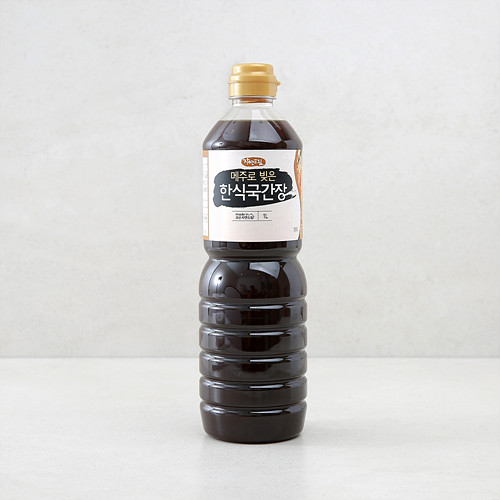

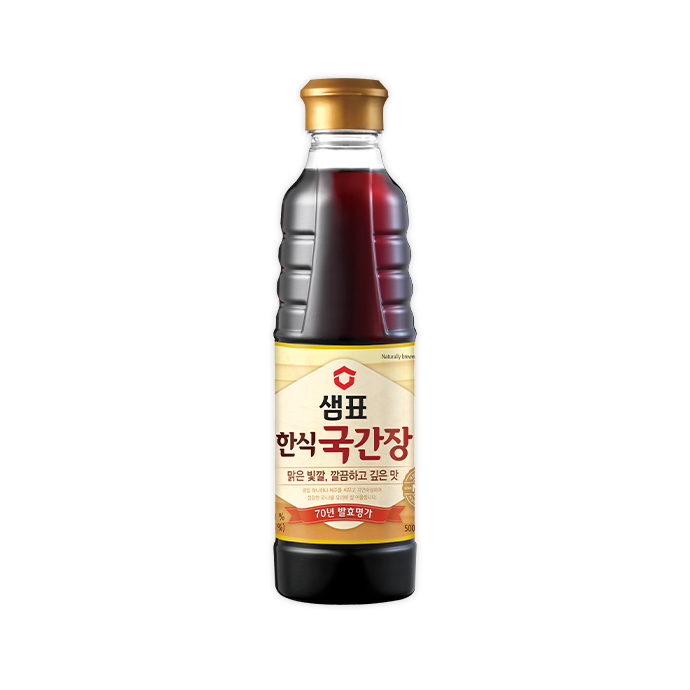
    pic : 자연드림 메주로 쑨 한식국간장 / price 16$ / 1L

    Jayeonderim Meju-Brewed Hansik Guk Ganjang Made from Korean soybeans and meju, purified water, alcohol, and koji. A traditionally-inspired guk ganjang for use in soups and broths.
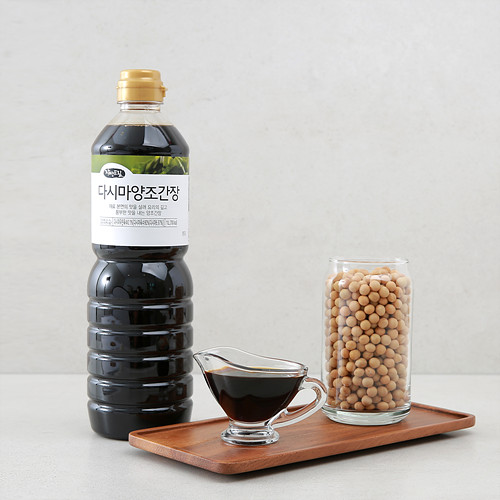
    pic : Jayeonderim Yangjo Ganjang websites

    Jayeonderim Yangjo Ganjang (Brewed Soy Sauce) Ingredients include purified water, soybeans, wheat, sea salt, oligosaccharides, alcohol, organic raw cane sugar, licorice extract, kelp broth, yeast extract, and koji. Koji (종국) refers to pure cultured mold spores used as a fermentation starter in soy sauce, doenjang, and cheongju brewing. This one has noticeably richer flavor.
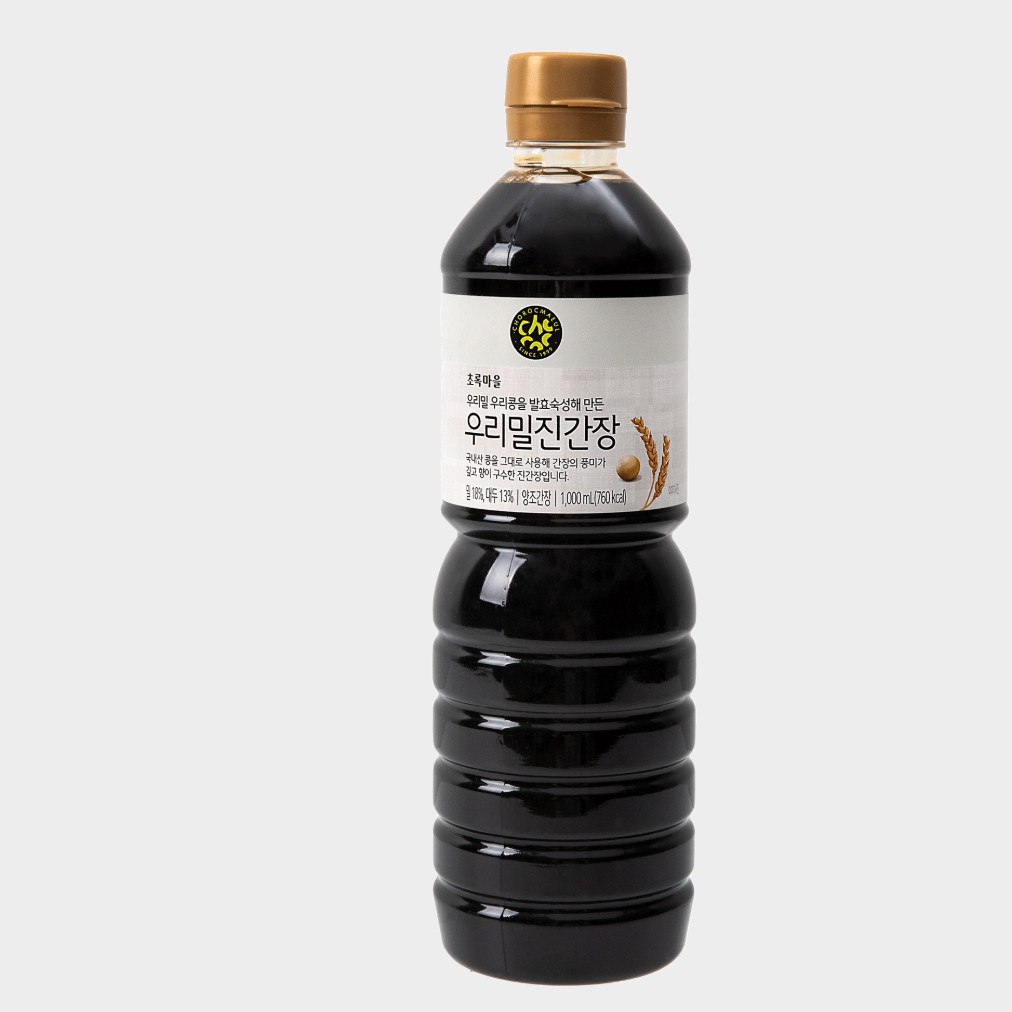
    pic : Chorong Maeul Our Bean Jin Ganjang

    Chorong Maeul Our Bean Jin Ganjang (Purified water, domestic wheat, refined salt, soybeans, malt syrup (rice, malt), alcohol) A yangjo ganjang versatile enough for kimchi jjigae, doenjang jjigae, and as a dipping sauce for pan-fried dumplings (gun mandu).
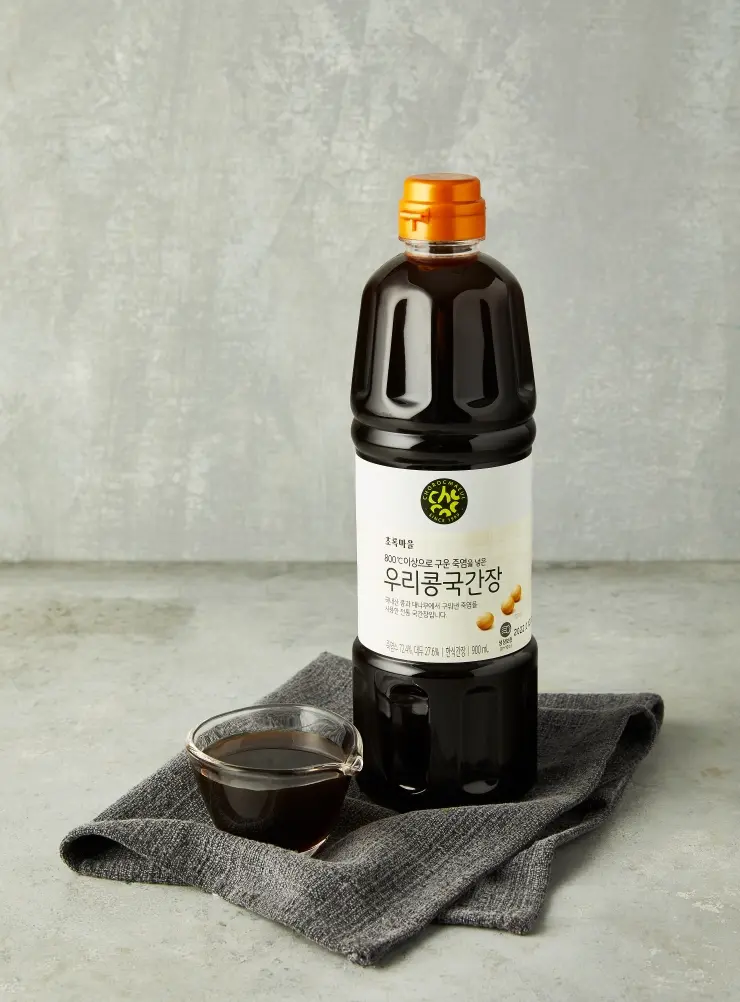

    초록마을 우리콩 국간장 / pic = https://m.choroc.com/new/goods/WG023938?deviceEnv=device.env.pc&devicePlatform=device.platform.unknown

    Chorong Maeul Our Bean Guk Ganjang (Bamboo salt water 72.4% + Domestic soybeans 27.6%) A hansik ganjang with a distinctly salty flavor profile, made through a traditional fermentation process.


    Tips for Buying Korean Soy Sauce

    • For kimchi jjigae, doenjang jjigae, stir-fries, and braised dishes → choose jin ganjang
    • For clear, light soups and broths → choose joseon ganjang (hansik ganjang)
    • If you just want one bottle that does it all, jin ganjang is the more versatile everyday option

    One bottle lasts a long time thanks to a generous shelf life, so you can use it whenever you need it.

    In simple terms, Korean soy sauce is somewhat similar to Chinese doubanjiang — but Korean ganjang comes in three distinct types, each with its own role. It also makes a wonderful gift.


    A Note on Price

    The soy sauces introduced here may cost roughly twice as much as budget alternatives — around $10 to $20 USD per bottle. That price reflects the quality of ingredients, the time invested in production, and the craftsmanship behind each bottle. They are available at major Korean supermarkets and specialty organic grocery stores.
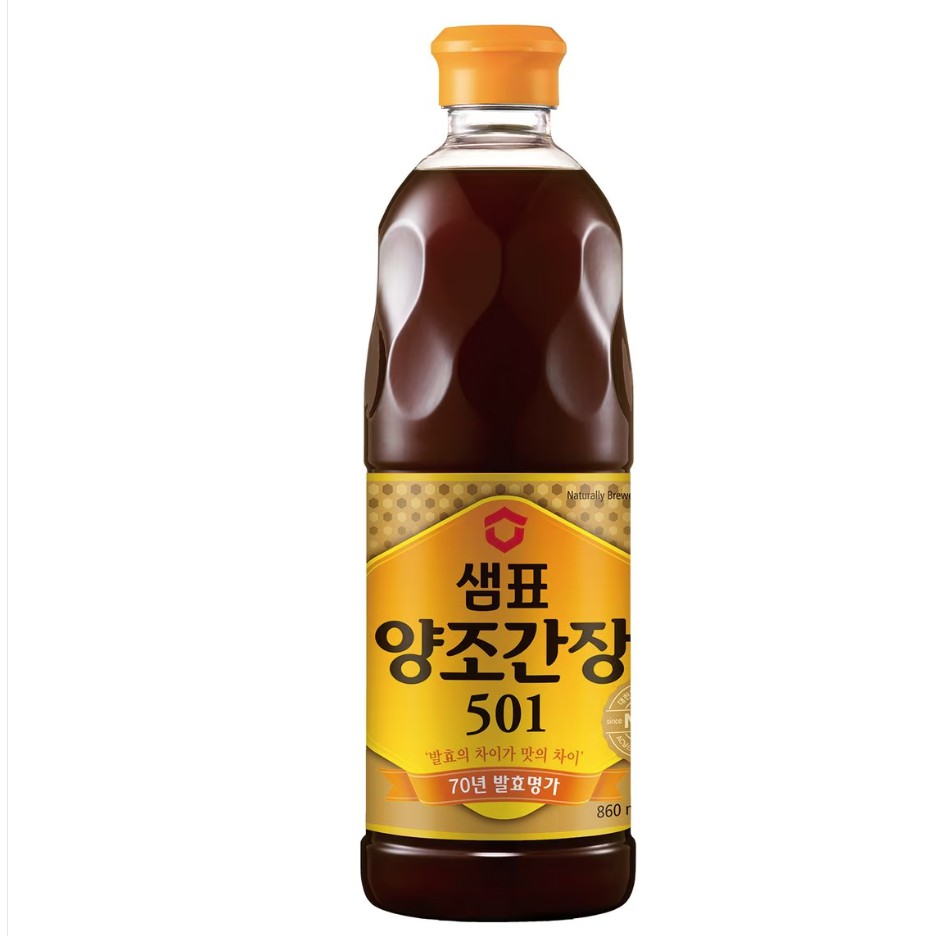
    Sempio Yangjo Ganjang

    Sempio Yangjo Ganjang If you’re looking for a more accessible everyday option, Sempio Yangjo Ganjang is widely used by Korean households and offers excellent value for the price — also a solid gift choice.

    If you are interested in bulk purchasing or sourcing Korean soy sauce outside of Korea, Kaliman, a K-food specialty distributor, handles global distribution.

    One reason Korean soy sauce is rarely shipped internationally via parcel is that, relative to its price, it is a liquid — which significantly increases shipping costs.

    every source is vegans. some product. In Korea, Certain products are sold via membership

    FAQ — Korean Soy Sauce

    Q1. What is the difference between yangjo ganjang, jin ganjang, and guk ganjang?

    Korean soy sauce comes in three main types. Yangjo ganjang is naturally brewed with soybeans and grains, giving it a clean, mildly sweet flavor — best used raw or for dipping. Jin ganjang (often a mixed soy sauce) is more heat-resistant and suits stir-fries and braised dishes. Guk ganjang (also called joseon ganjang or hansik ganjang) is the most traditional, made only from meju and salt water — lighter in color but strongly salty, ideal for clear soups and

    Q2. Which Korean soy sauce should I use for kimchi jjigae or doenjang jjigae?

    For cooked dishes like kimchi jjigae, doenjang jjigae, stir-fries, and braised dishes, jin ganjang is the recommended choice. It holds up well to heat without losing its flavor.

    Q3. What is meju, and why does it matter in Korean soy sauce?

    Meju is a fermented soybean block — the foundation of authentic Korean soy sauce. Soybeans are cooked, shaped into blocks, bound with rice straw, and left to ferment naturally. The straw introduces beneficial bacteria that create healthy mold, which drives the fermentation process. Soy sauces made with real meju are considered the most traditional and health-conscious

    Q4. Can I bring Korean soy sauce on a plane?

    Not in your carry-on. Like all liquids, soy sauce is subject to the 100ml limit per container, and all containers must fit in a single 1L clear zip-lock bag. Standard bottles (500ml, 1L) cannot be brought as carry-on items — pack them in checked luggage instead.

    Q5. Is Korean soy sauce healthy?

    Traditional Korean soy sauces made through natural fermentation — especially those using real meju, Korean sea salt, and no artificial additives — are considered a wholesome condiment. The fermentation process produces amino acids that contribute to rich umami flavor. For the healthiest option, look for products with simple ingredient lists: meju, salt, and water.

    Q6. What Korean soy sauce brands are recommended for quality?

    For quality and traditional production methods, Hansalim Joseon Ganjang, Hansalim Sangol Ganjang, Jayeonderim Hansik Guk Ganjang, and Chorong Maeul Our Bean Ganjang are all solid choices. For an everyday, budget-friendly option, Sempio Yangjo Ganjang is widely used in Korean households.

    Q7. How much does good Korean soy sauce cost?

    Quality traditionally-made Korean soy sauces typically range from $10 to $20 USD per bottle — roughly twice the price of budget alternatives. The higher cost reflects premium domestic ingredients, longer fermentation time, and traditional craftsmanship.

    Q8. Is Korean soy sauce good as a gift?

    especially the premium organic varieties. They are unique, culturally meaningful, and useful in the kitchen. Just remember to pack them in checked luggage if you’re traveling by air, as liquid restrictions apply to carry-on bags.

    Q9. Where can I buy authentic Korean soy sauce outside Korea?

    Major Korean supermarkets and specialty organic grocery stores carry most of these brands. For bulk purchasing or international sourcing, Kaliman is a K-food specialty distributor that handles global distribution.

    Q10. Is Korean soy sauce vegan-friendly?

    the traditional Korean soy sauces featured in this article are all plant-based, made from soybeans, salt, water, and grains. No animal products are used in their production.
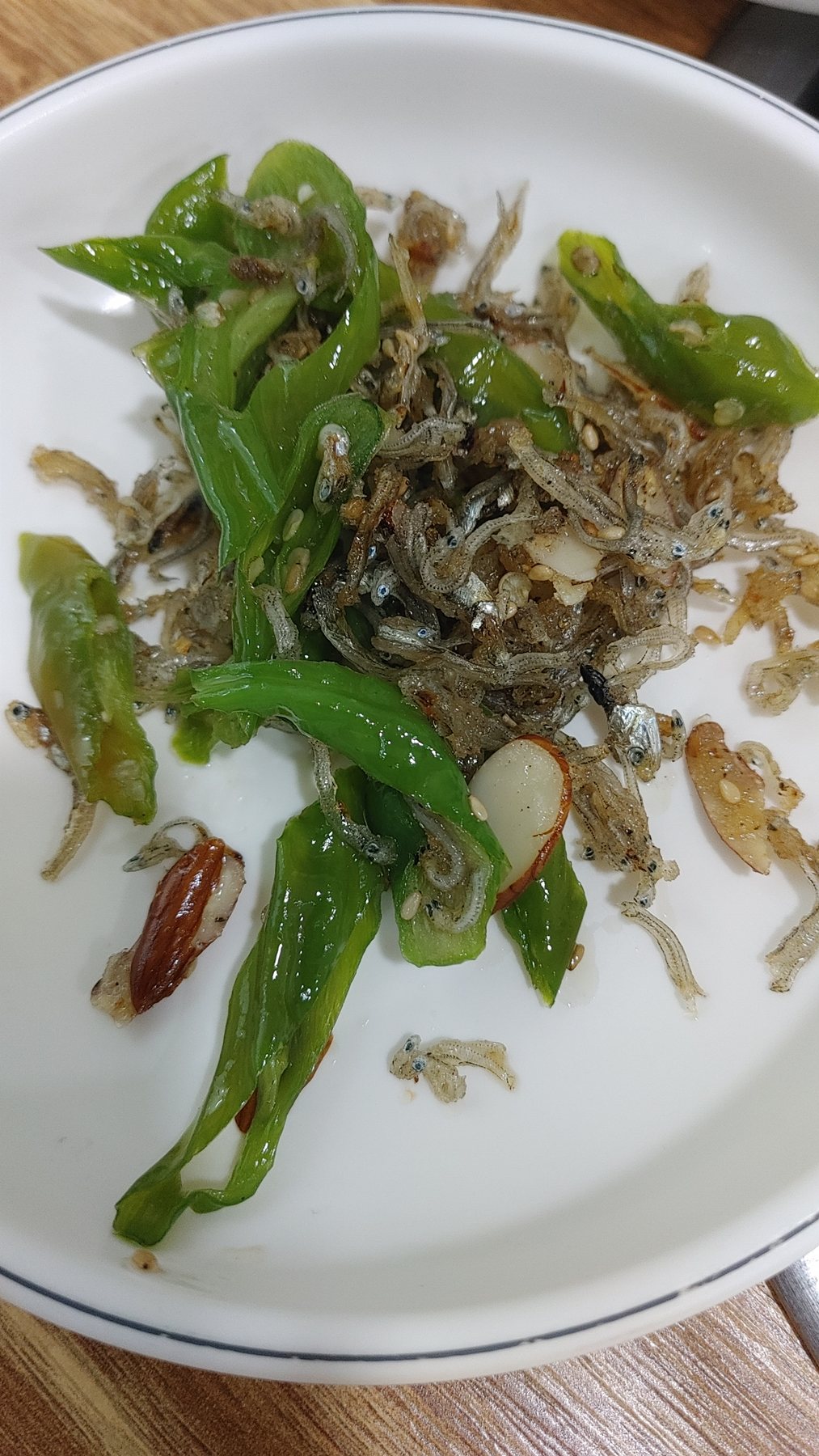
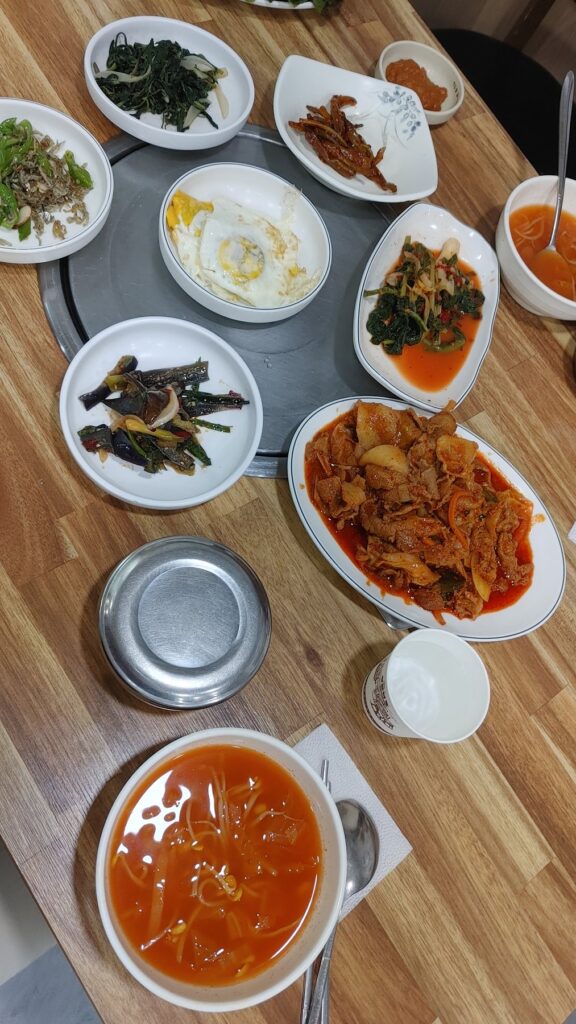
  • Which of these Korean dishes is fermented?

    Which of these Korean dishes is fermented?

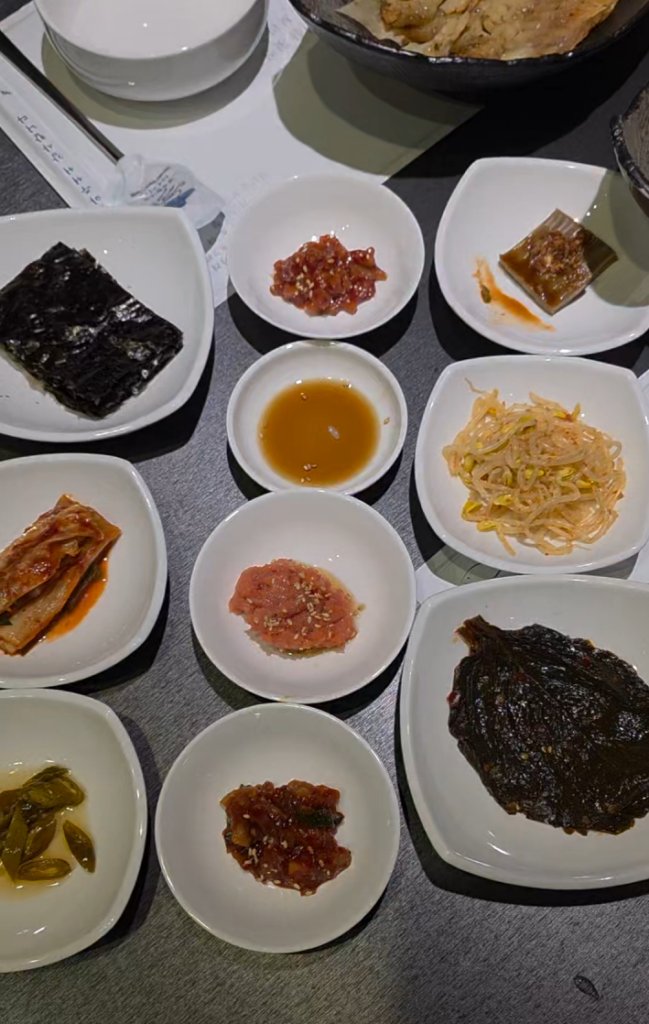
    As a Seoul office worker, lunchtime is my one real break of the day. Today, like most days, my colleague and I headed to our nearby baekban restaurant — a humble Korean set-meal spot that feels just like home cooking. One person, 10,000 won. Two of us, 20,000 won total. With unlimited side dish refills.

    Honestly, with the cost of living in Korea rising so fast these days, even 10,000 won for lunch feels like something to think twice about. Any dad around the world trying to make ends meet on a modest salary probably knows this feeling.

    The restaurant is in Yeouido and serves what Koreans call jipbap-style (집밥) — home-style food. There’s nothing fancy about it. That’s exactly the charm.

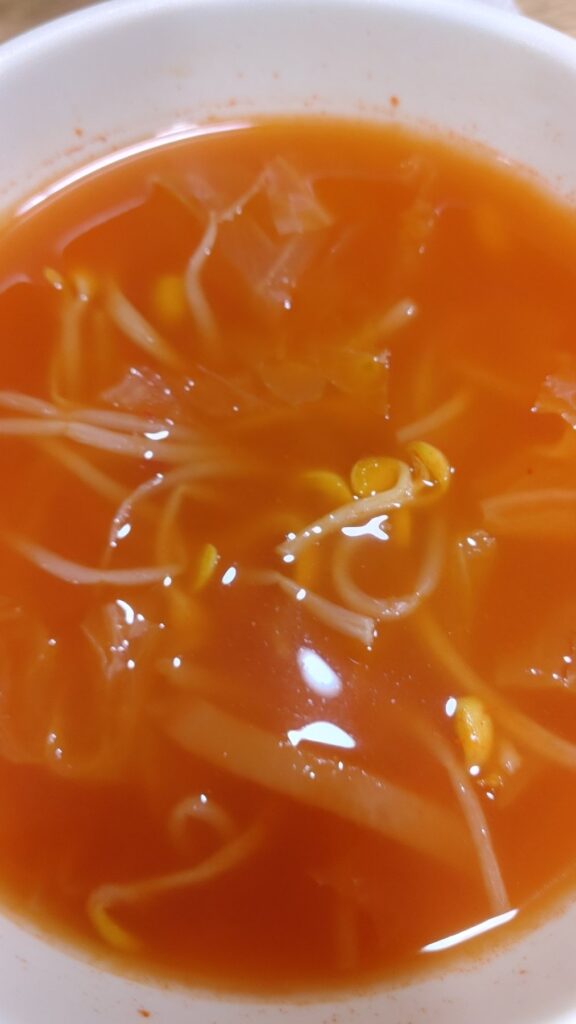
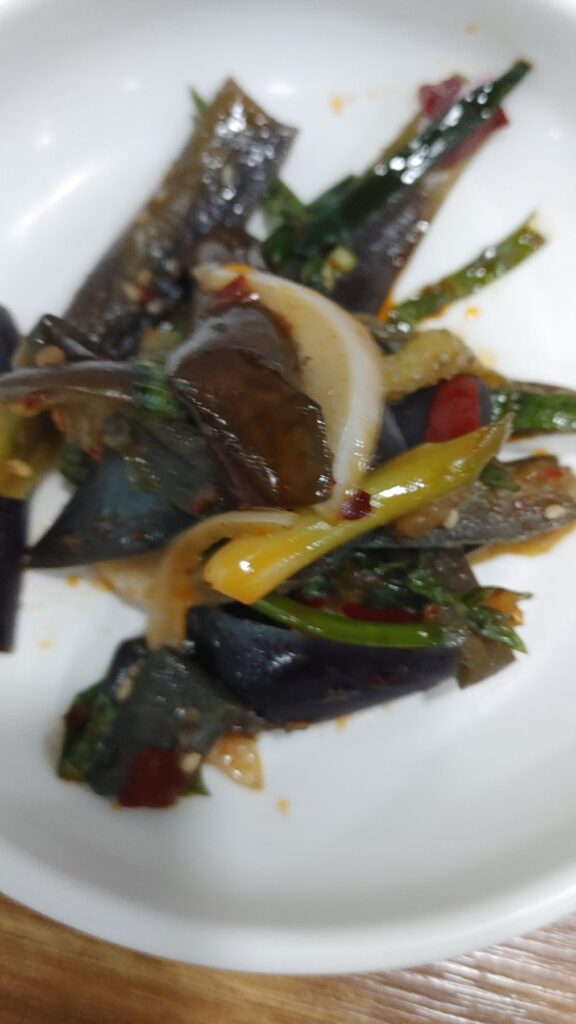
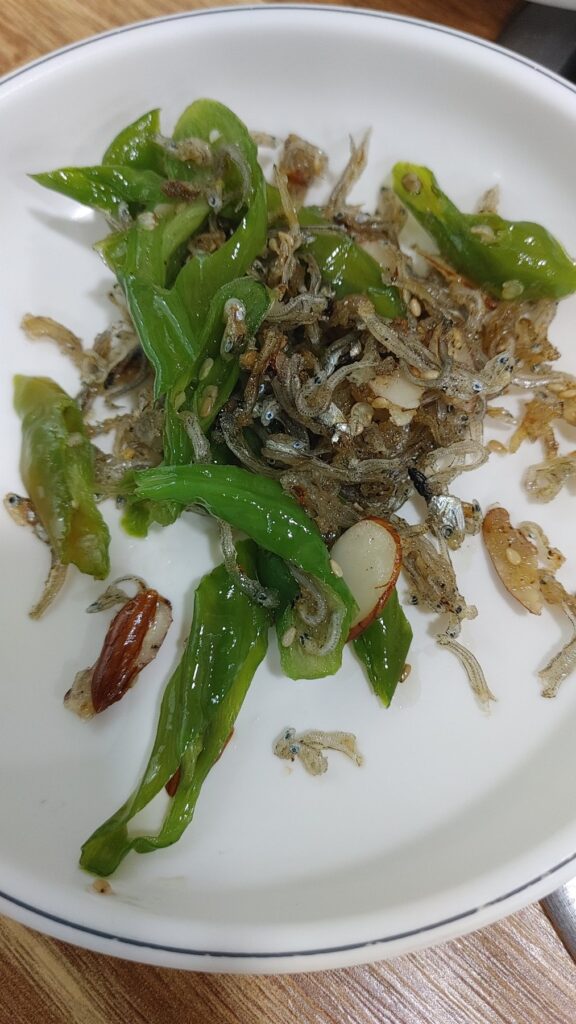
    Today’s Menus

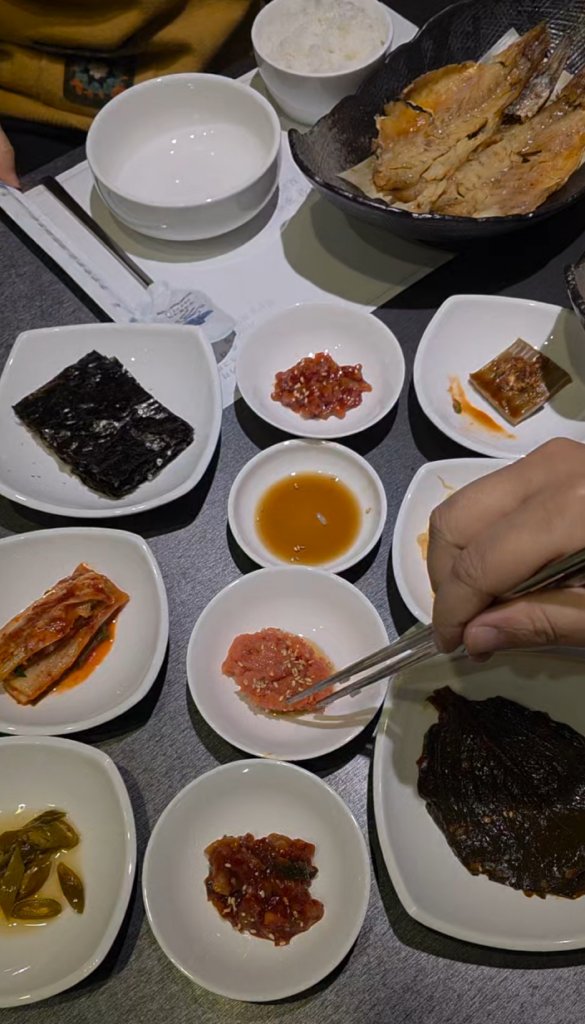
    my order is JibBab – from Seoul Yeouido restaraunt

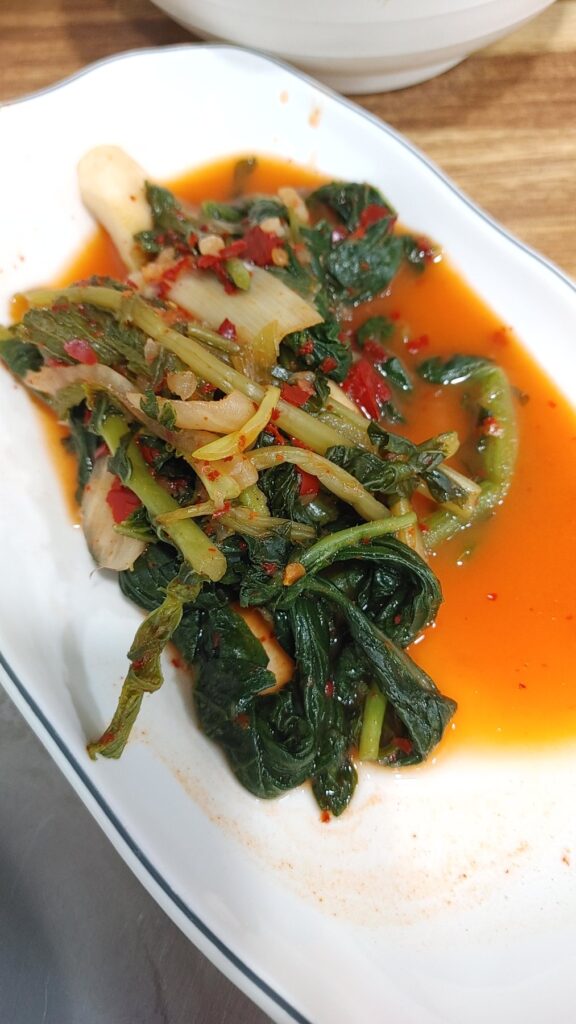
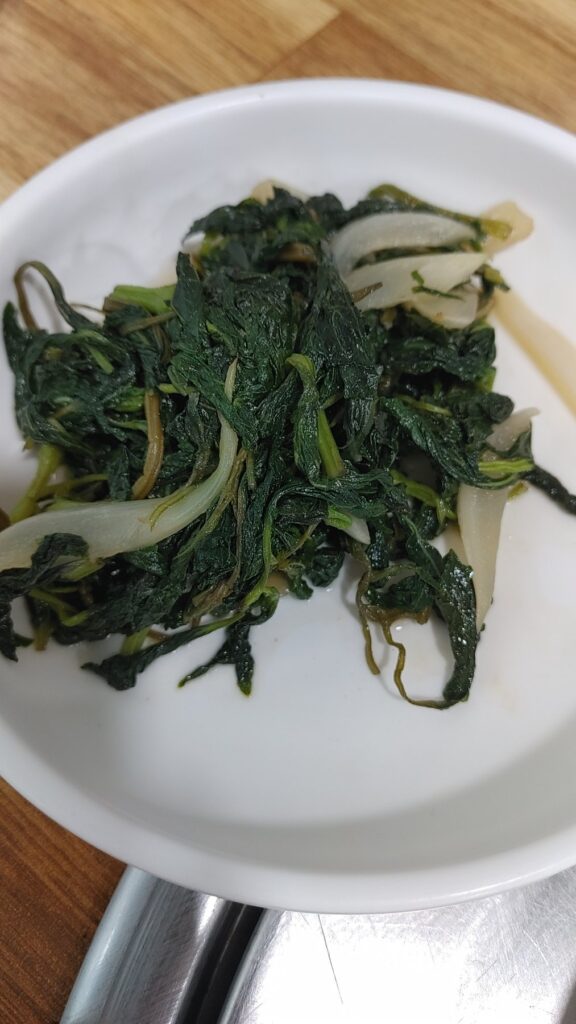
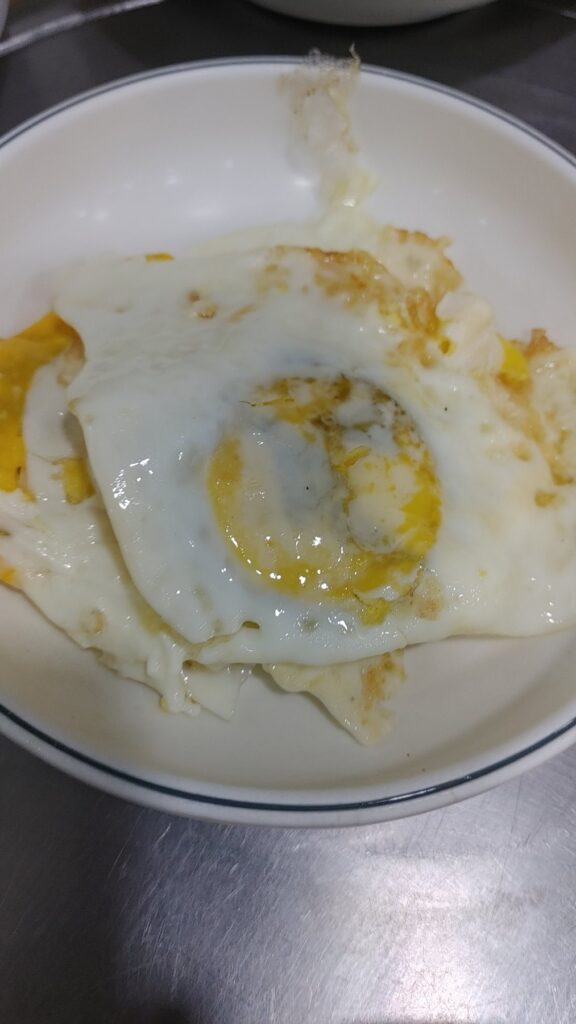
    Because I’ve been thinking a lot about fermentation lately, I want to ask my friends around the world a little question: which of today’s side dishes is actually fermented?

    In Korea, fermented food is most commonly made by salting vegetables. But it’s not just about making things salty. Depending on the vegetable — whether it’s cabbage, radish, mustard leaf (gat), or a mix of greens — and the type of salt used, the resulting flavors can be completely different. Same base ingredients, wildly different taste.

    I have a friend who loves freshly made kimchi — kimchi that’s only one or two days old. He loves the crisp, crunchy texture and the layered flavors that haven’t been overtaken by fermentation yet.

    Then there’s the other camp — people like me, who strongly prefer well-fermented kimchi and side dishes. My reason is simple: fermented food sits so much better in my stomach. As you get older, you start to notice which foods your body thanks you for. And fermented food, for me, is always on that list.

    What I love most is the sourness that comes from fermentation — and I want to be clear, this isn’t the sharp sourness of vinegar. It’s a clean, refreshing finish, almost like the lingering aftertaste of plain lemon soda (no sugar) — that last clean note that leaves your mouth feeling completely refreshed. That feeling. As a Korean, I’m deeply attached to it.


    Now, a small note on doenjang (Korean fermented soybean paste): if you’ve visited Korea and had doenjang jjigae (soybean paste stew), the doenjang you tasted was most likely from a large Korean food company. But if you ever venture outside Seoul to a small regional restaurant or a traditional Korean table, you might be lucky enough to taste doenjang made in-house — aged in clay pots for months or even years. Even near my home in Hongdae, restaurants that serve house-made doenjang are rare. The craft is slowly disappearing. That makes the ones that still do it all the more special.


    Today’s side dishes — which ones are fermented?

    That’s today’s healthy food tip from the Yeouido lunch table. Korean fermented food isn’t just delicious — it’s one of the most gut-friendly traditions in the world. If you ever visit Korea, slow down and pay attention to the small side dishes. The real magic is in the jar that’s been sitting for months.

    The answer is…

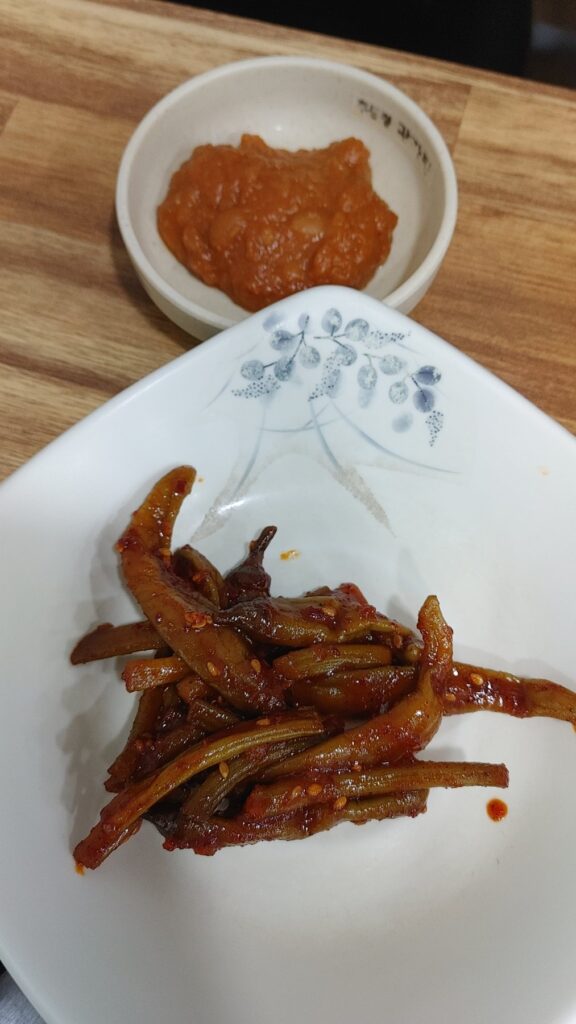
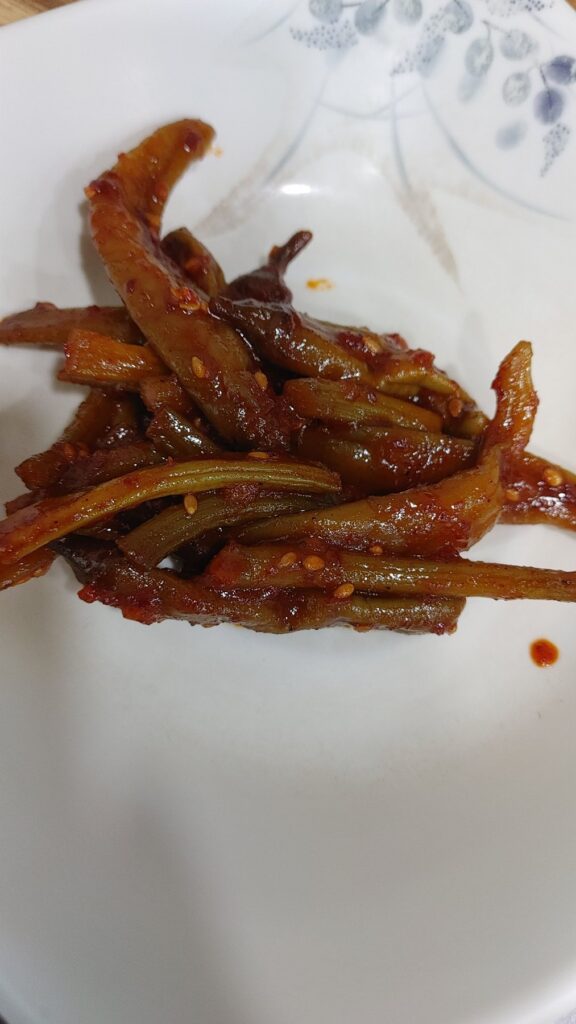
    Altari radish leaf muchim (알타리 순 무침)

    Altari radish leaf muchim (알타리 순 무침)
    Altari radish leaf muchim (알타리 순 무침)

    Fermented young radish greens — a Korean seasonal specialty

    The answer is: Altari radish leaf muchim (알타리 순 무침)

    Yes! The fermented dish I reached for first was altari sun muchim — seasoned and naturally fermented young radish greens.

    Altari is a small Korean radish that grows with its leafy greens still attached — a bit like a miniature daikon with a full green top. Both the radish and the young greens are eaten, and in Korean cooking, the greens are especially prized as a seasonal side dish, particularly in summer.

    How it’s made — naturally fermented in 3 to 7 days:

    • Altari radish greens
    • Coarse salt (the fermentation base)
    • Gochugaru / red pepper flakes
    • Water (optional)

    Mix everything together and leave at room temperature for 3 to 7 days. The salt draws moisture from the greens and triggers lactic acid fermentation — the same process that makes kimchi. The result: a beautifully tangy finish, a clean aftertaste, and a light refreshing texture. Strongly recommended in summer.

    The other side dishes today (namul, steamed egg, grilled fish) were all made fresh on the day — no fermentation involved.

    If you visit Korea, please seek out altari sun muchim. It won’t be on every menu — but when you find it, try it. One bite and you’ll understand why I reach for it first every time.

    That’s today’s fermentation tip from a Seoul lunch table. Stay curious about Korean fermented food.

    Come back for more! 🙏

    Frequently Asked Questions

    Q: Is altari sun muchim vegan?

    A: Yes — altari sun muchim is 100% plant-based. The only ingredients are altari radish greens, coarse salt, gochugaru (red pepper flakes), and optionally water. No fish sauce, no shrimp paste. It’s one of the rare Korean fermented side dishes that vegans can enjoy without modification. If you’re vegan and visiting a Korean restaurant, this is a safe and delicious choice to look out for. Korean food basics Korean ingredients guide

    Q: What is the difference between kimchi and altari sun muchim?

    A: Both are salt-fermented Korean vegetables, but they use different plants and have a different flavor profile. Kimchi is typically made from napa cabbage (baechu) and includes a wider variety of seasonings — often fish sauce or fermented shrimp. Altari sun muchim uses only the young greens of the small altari radish, fermented simply with salt and gochugaru. The result is lighter, cleaner, and more refreshing — especially in summer. Altari sun muchim also tends to be fully vegan, while traditional kimchi often is not. Korean flavors Korean ingredients

    Q: How do Koreans eat fermented food every day?

    A: In Korea, fermented foods are not a health trend — they’re simply part of every meal. A standard Korean lunch like baekban (set meal) will include rice, soup, and several small side dishes (banchan), at least one or two of which are fermented. Kimchi is the most common, but doenjang (fermented soybean paste), ganjang (soy sauce), and seasonal fermented vegetables like altari are always present. Koreans eat these naturally, without thinking about them as “probiotic food” — it’s just normal daily eating. Korean eating culture Korean dining etiquette

    Q: Is Korean fermented food good for gut health?

    A: Naturally fermented Korean vegetables contain live lactic acid bacteria — the same type found in yogurt and other probiotics. These bacteria are produced during the fermentation process when salt draws moisture from the vegetables and creates an environment where beneficial microbes thrive. Regular consumption is associated with improved digestion and gut comfort. Many Koreans, including the author of this post, notice that well-fermented foods sit easier in the stomach than freshly made dishes. Korean food & health

    Q: Why does Korean soup come with every meal?

    A: Soup has been part of the Korean table for centuries — it’s not just a side but a core component of the meal, used to balance flavors, help digest rice, and warm the body. In a baekban set meal, the soup (often doenjang jjigae or kongnamul guk) anchors the table alongside fermented banchan. Interestingly, doenjang jjigae itself contains a fermented ingredient — doenjang — making even the soup part of Korea’s fermentation culture. Why Koreans eat soup with every meal


    You May Like This

    Korean Dining Etiquette: Why Koreans Eat the Way They Do

  • How to Choose Good Korean Soy Sauce

    How to Choose Good Korean Soy Sauce

    You’re right — let me redo this much closer to the original voice, keeping it personal and natural without over-structuring it.


    How to Choose Good Korean Soy Sauce

    I’ve been thinking about the soy sauce that influencers use when they make Korean food videos on YouTube and TikTok these days. I wanted to share this for anyone around the world who loves Korean food — how to find a soy sauce that’s actually good for you.

    As a Korean, let me walk you through how to choose a good one.

    So what makes a soy sauce “good”? Let me explain. A very long time ago in Korea, there was only one kind of soy sauce. Back then, the main ingredients were meju (soybeans boiled, mashed into a specific shape, and left to develop the mold needed for fermentation), salt, water, and a fermentation jar called a jangdok — that was all. Charcoal is also added during the process. The reason charcoal goes in is that its microscopic pores are known to absorb bitter flavors and off-odors, improving the overall taste. It acts as a natural preservative, helping to remove impurities and keep the soy sauce from spoiling. My mother always added charcoal when she made soy sauce. It’s not an absolute requirement, but it’s a common part of the traditional process.

    So the main ingredients of a truly good soy sauce are: soybeans (boiled and shaped into blocks, then stored in the shade until mold develops — this is what we call meju), salt, water, and charcoal. That’s it. Soy sauce made this traditional way is commonly called joseon ganjang. In Korean cooking, the main seasoning used when making soups is either plain salt or joseon ganjang. It makes the flavor cleaner while also giving it a deep, rounded taste.

    (A little side note: if you’re feeling bloated or your stomach is unsettled, try boiling some napa cabbage and seasoning it with 2 tablespoons of joseon ganjang. It can soothe your stomach and leave you with a warm feeling spreading through your body.)

    If you want to make joseon ganjang at home, you’ll need to allow time for fermentation — usually somewhere between 1 and 3 years, and some people age theirs for up to 10 years. That’s how precious it was. Every household used to make their own, and it was considered the most important sauce in the home. Joseon ganjang can be stored for a long time as long as mold doesn’t develop — in Korea, it’s traditionally kept outdoors in earthenware jars. No refrigeration needed.

    If you’re outside Korea and want to try joseon ganjang, it may not be easy to find. Production is limited, and you’re much more likely to come across jin ganjang. The difference is this: joseon ganjang is the raw, unseasoned sauce in its pure form, while jin ganjang is soy sauce that has been seasoned and crafted for flavor. Most of what you see on supermarket shelves is jin ganjang.

    That said, if you’re buying jin ganjang and want something closer to natural ingredients and better for your health, here’s what to look for. A lot of products are mass-produced these days, and jin ganjang is no exception. The key is to check the label for 100% soybean-fermented yangjo ganjang with a TN (Total Nitrogen) index of 1.5% or higher, which is considered premium grade. Products with fewer additives — no caramel coloring, no flavor enhancers — and that use whole soybeans rather than defatted soybeans are the better choice. From there, you can use guk ganjang and yangjo ganjang according to what you’re cooking.

    In Korea these terms get used interchangeably, so here’s a quick breakdown: Joseon ganjang = guk ganjang = used for soups Jin ganjang = used for seasoned dishes and stews Yangjo ganjang = brewed soy sauce with an emphasis on umami

    By dish: For soups and stews, use guk ganjang (joseon ganjang) — light in color and strong in saltiness. This is what I personally recommend, and it’s what I cook for my own kids. For seasoned salads and bibimbap, use yangjo ganjang — fragrant with a pleasant sweetness. For braised and stir-fried dishes, use jin ganjang — heat-stable and rich in color.

    When buying at the supermarket, here’s what to check:

    Look at the TN index on yangjo ganjang — the higher it is, the better the quality and umami. Go for 1.5% or above (premium grade) or 1.7% or above (gold grade). Haessaldamun Ssi-ganjang Gold and Sempio 701 are both 1.7%+. Sempio Korean Soybean Yangjo Ganjang sits at 1.5% but has a high domestic soybean content.

    Check the ingredients. “Defatted soybean” (탈지대두) means the leftover pulp after oil has been pressed out — avoid it. Look instead for products labeled simply “soybean” (대두) or “meju bean” (메주콩). The shorter the ingredient list, the better. Ideally just soybeans, salt, wheat, and fermentation alcohol — with as few additives as possible.

    For yangjo ganjang: Haessaldamun Ssi-ganjang Gold and Sempio 701. For jin ganjang: Haessaldamun Jin ganjang Gold and Sempio Jin ganjang Gold are the best options based on their ingredient labels. For guk ganjang: look for products labeled hansik ganjang (한식간장) or joseon ganjang (조선간장).

    What to avoid: blended soy sauce (혼합간장) and acid-hydrolyzed soy sauce (산분해간장). Even a product that’s 90% acid-hydrolyzed and only 10% brewed soy sauce can legally be sold as jin ganjang — so always check that the label says yangjo ganjang, not just jin ganjang.

    ❌ What to Avoid

    • 혼합간장 (blended soy sauce) — often a mix of just 10% brewed soy sauce with 90% acid-hydrolyzed soy sauce (산분해간장), yet can still legally be labeled as jin ganjang. Always check that the label says 양조간장, not just 진간장.
    • 산분해간장 (acid-hydrolyzed soy sauce) — made using industrial hydrochloric acid rather than natural fermentation. Skip it.

    If you’re not in Korea, my honest recommendation is to just go for joseon ganjang. No chemicals, no artificial flavoring — just the pure, original taste of soy sauce. If it tastes too salty on its own, you can balance the overall flavor of a dish by combining it with other sauces. Honestly, joseon ganjang doesn’t leave you feeling heavy or bloated afterward. It can run a little salty, so always taste as you go and add accordingly. It also works beautifully in simple seasoned vegetable dishes like spring cabbage or cucumber salad — just half a spoon in place of salt, and it leaves a savory, lingering depth that’s hard to describe.

    I’ll be showing you more in Part 2, with actual photos taken at the supermarket. Stay tuned.

  • Jeyuk Bokkeum Hanjeongsik – 8 GMO-Free Korean Sides in 15 Minutes

    Jeyuk Bokkeum Hanjeongsik – 8 GMO-Free Korean Sides in 15 Minutes

    A Warm Meal to Start the Day in Cold Winter

    The winter weather that has persisted since last year has been quite cold. With temperatures dropping below -10°C in winter and rising above 30°C in summer, the foods we eat vary significantly by season. Today, I’m having lunch with a friend and colleague.

    Today’s menu is hanjeongsik. We’re going back to the same place we visited yesterday.

    The Charm of Hanjeongsik – Daily Changing Side Dishes and Menus

    Today’s Menu

    Most hanjeongsik restaurants prepare different side dishes each day. Of course, the main dishes are also configured differently. This is a major advantage of choosing hanjeongsik. For Korean office workers, there’s no need to worry about the menu or side dishes, and you don’t have to worry about what your boss thinks either.

    GMO-Free Side Dishes – A Healthy Table Made with Korean Produce

    Today’s hanjeongsik featured GMO-FREE side dishes. Most of the side dishes are made primarily from namul (seasoned vegetables). This is because Korean-grown agricultural products and vegetables are relatively affordable in Korea’s climate.

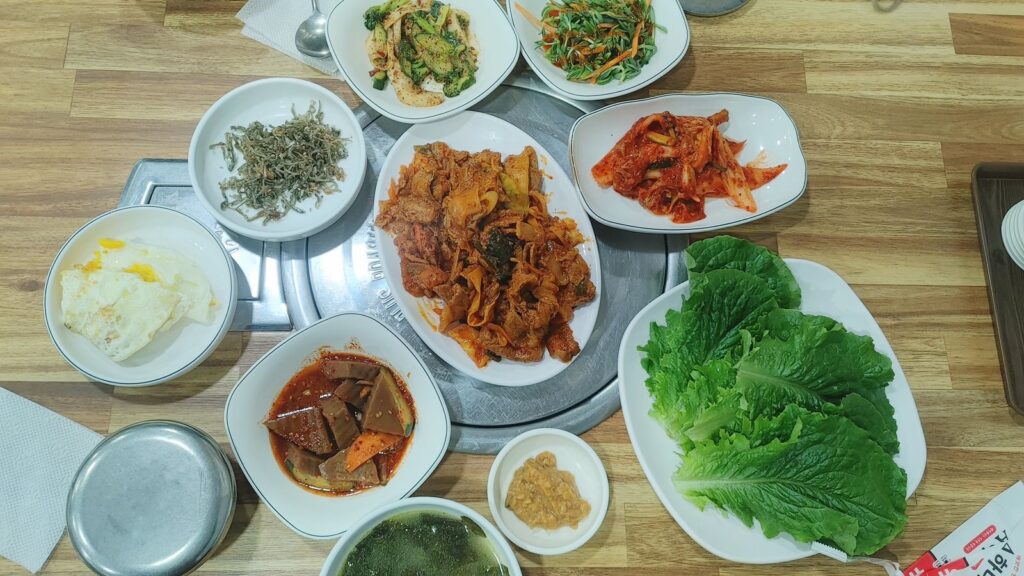
    Today’s Hanjeongsik Composition

    Korean hanjeongsik table with jeyuk bokkeum and 8 GMO-free side dishes
    Jeyuk Bokkeum Hanjeongsik004-20260206

    🏷️ Menu List for tastyKoreanfood.com

    한글 메뉴명한글 발음 (Romanization)(English Name)
    계란후라이Gyeran-huraiFried Egg
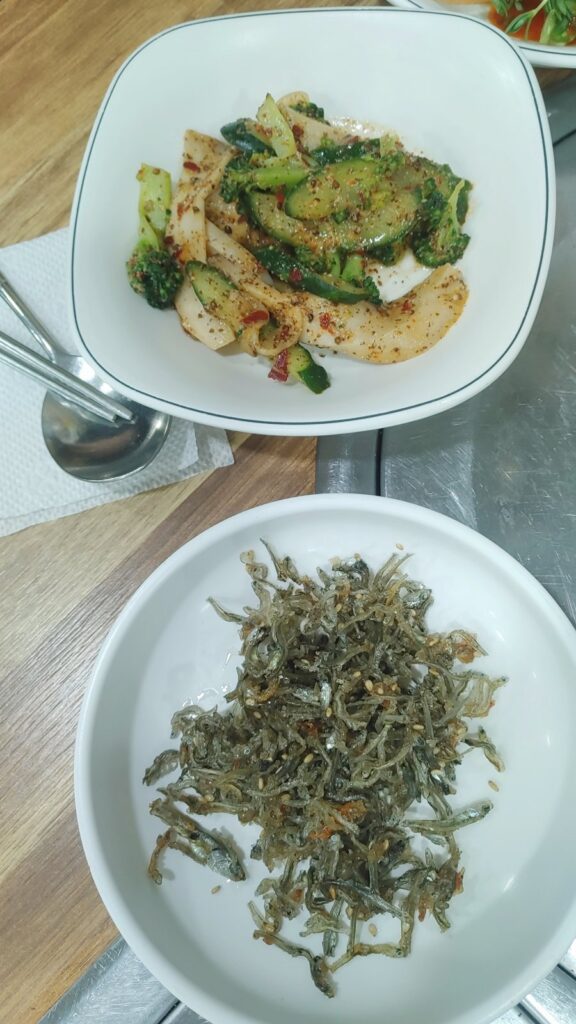
    멸치볶음Myeolchi-bokkeumStir-fried Anchovies
    오이무침Oi-muchimSpicy Cucumber Salad
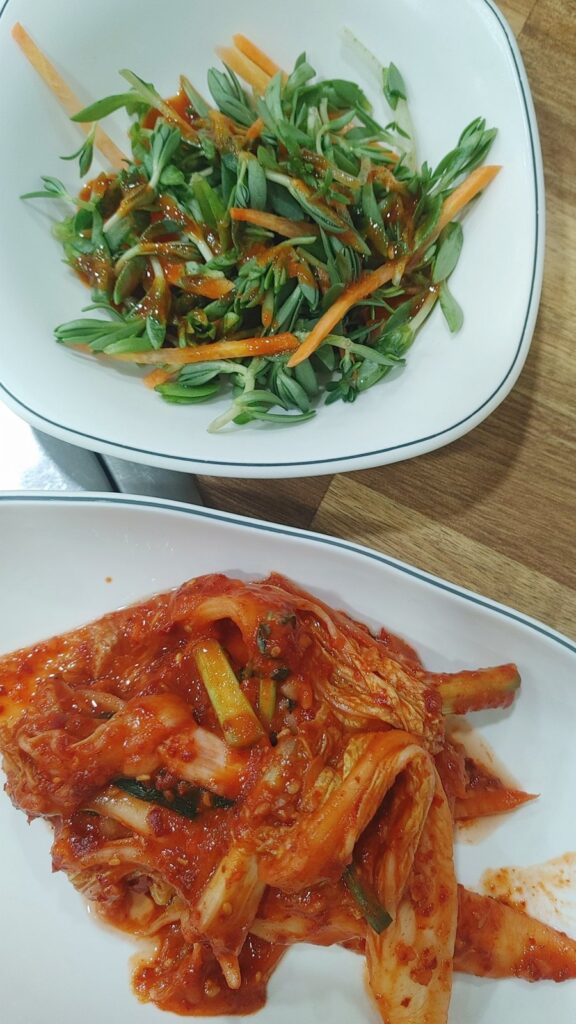
    돌나물무침Dolnamul-muchimSeasoned Sedum (Stonecrop)
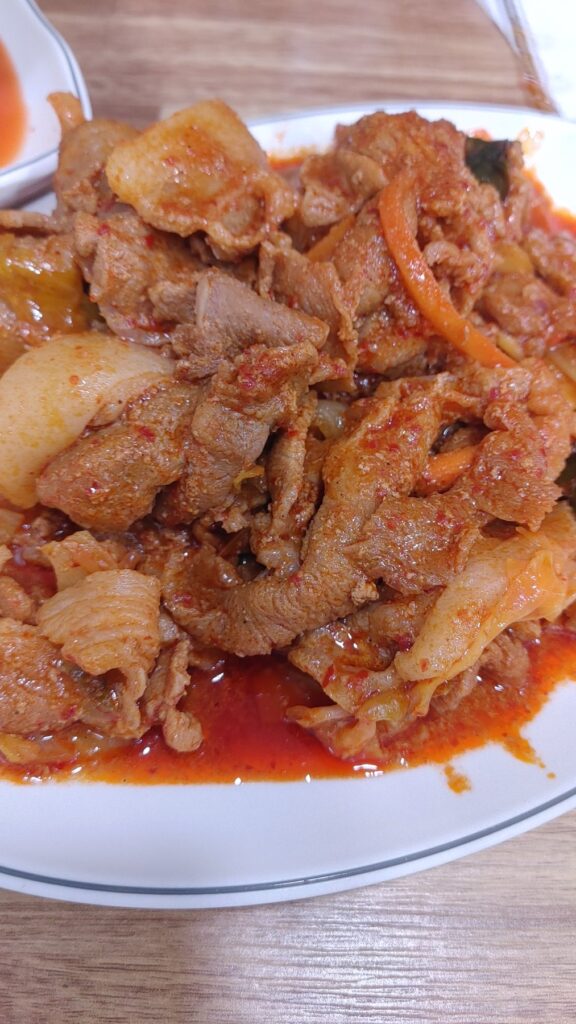
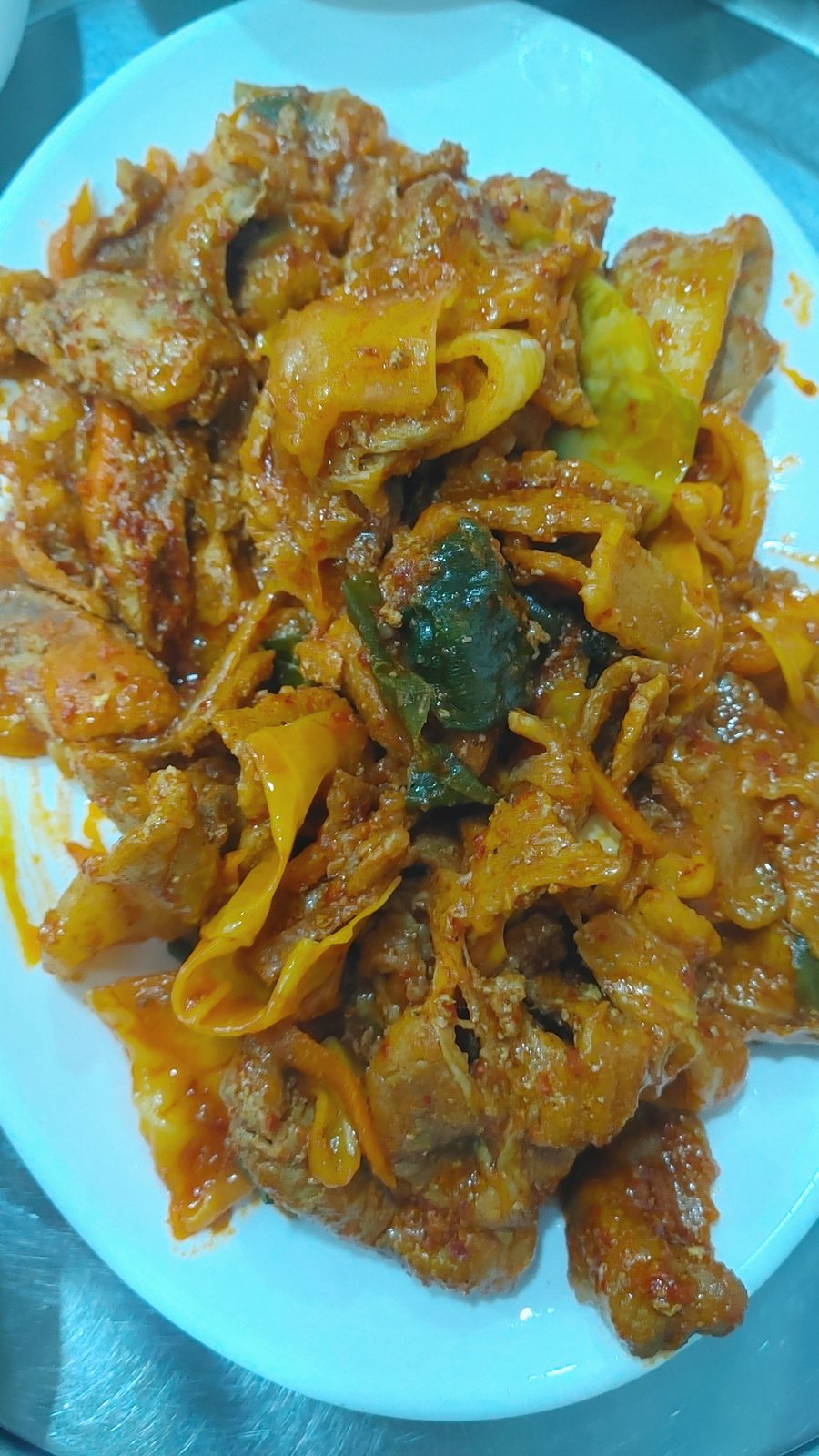
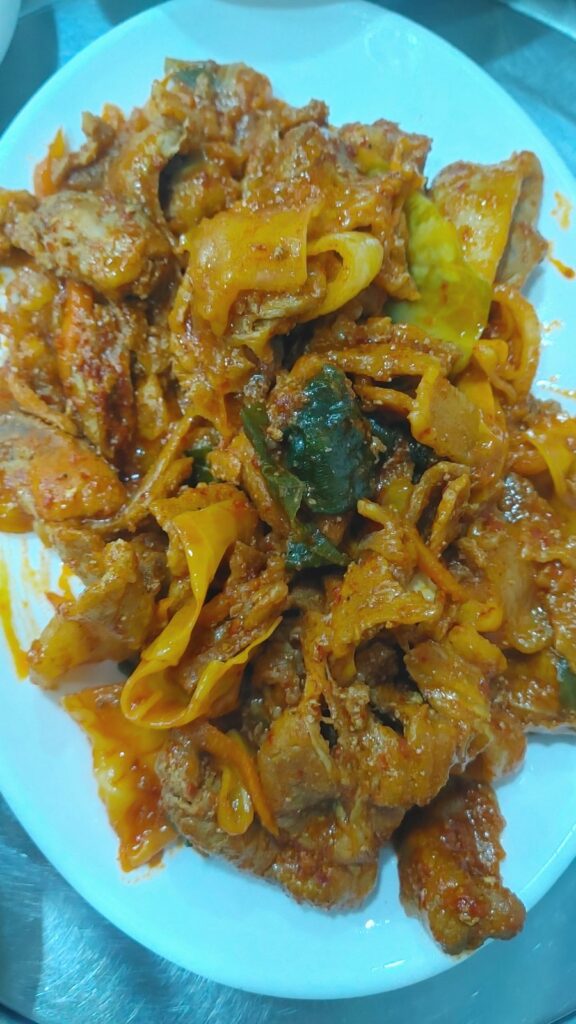
    제육볶음Jeyuk-bokkeumSpicy Stir-fried Pork
    김치KimchiKimchi
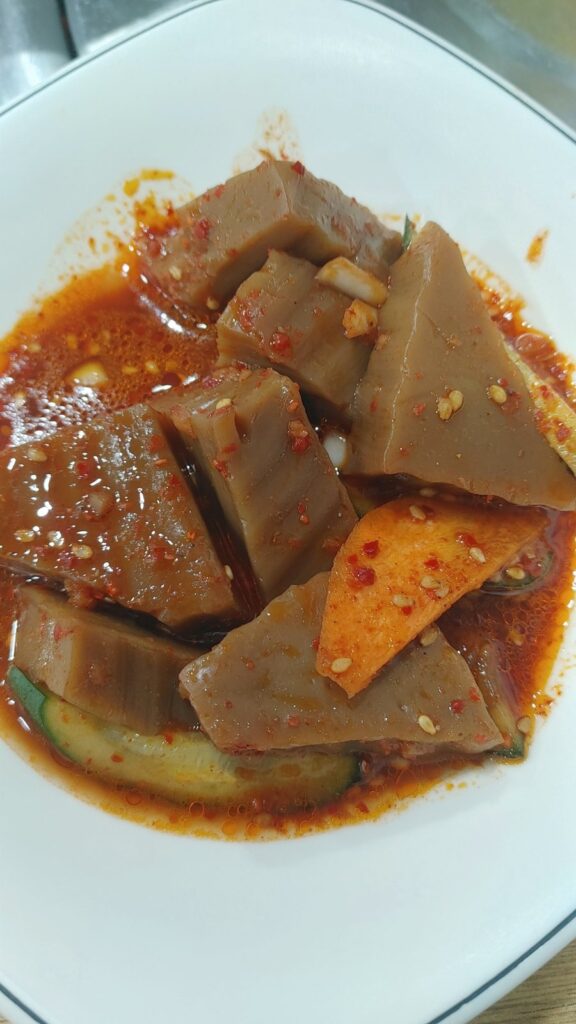
    도토리묵 무침Dotori-muk-muchimAcorn Jelly Salad
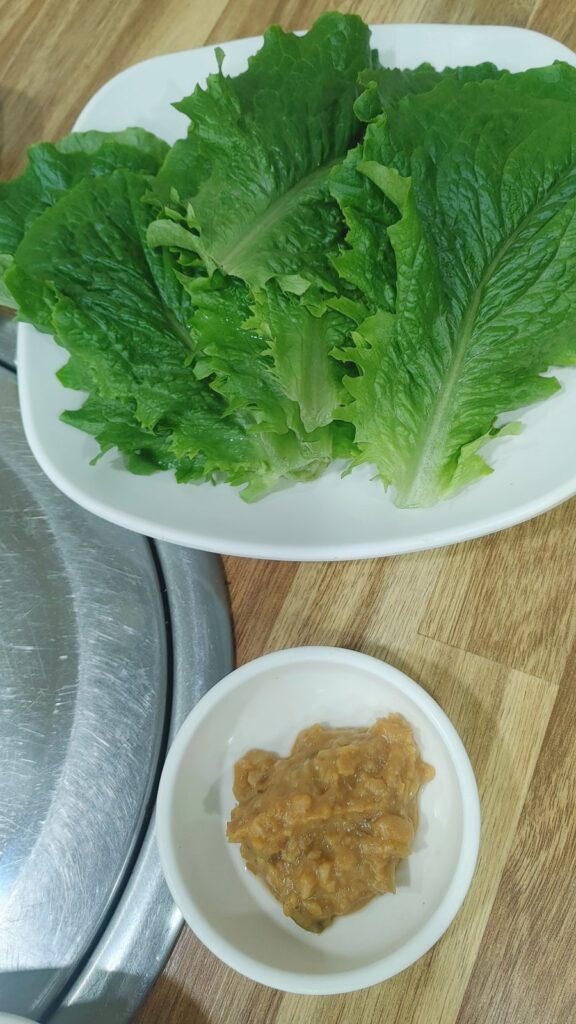
    상추SangchuLettuce
    쌈장SsamjangSsamjang (Seasoned Soybean Paste)
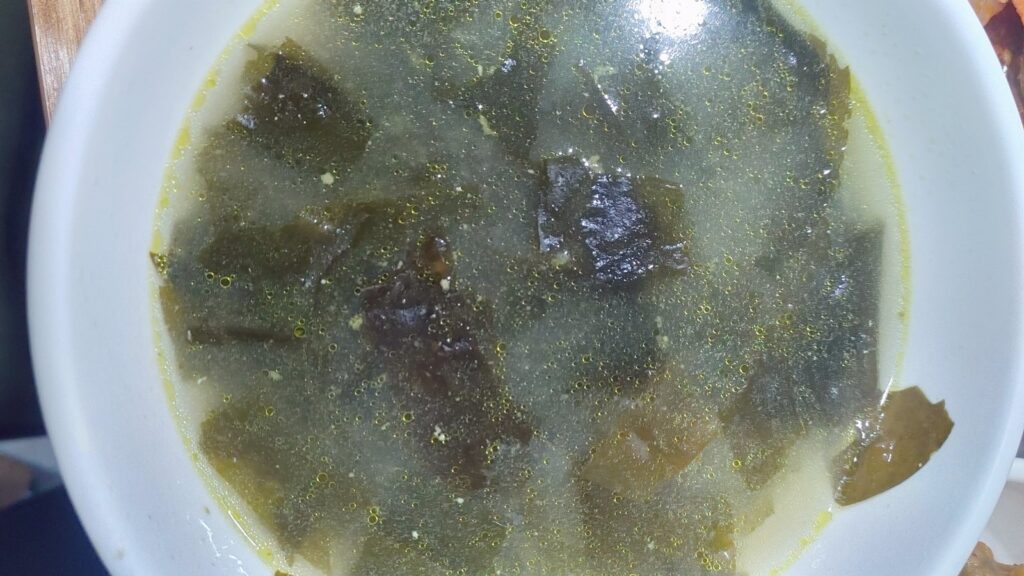
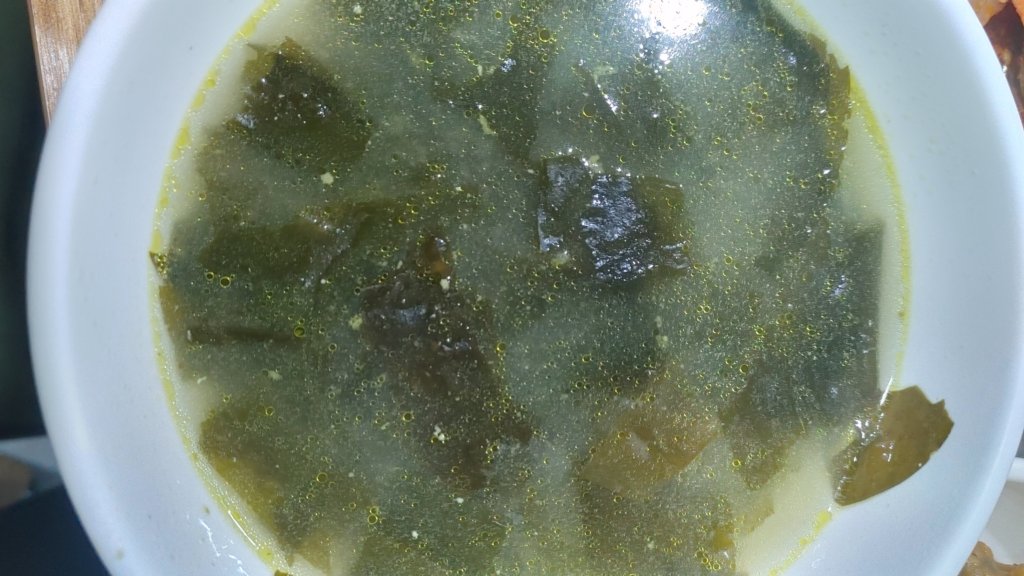
    미역국Miyeok-gukSeaweed Soup

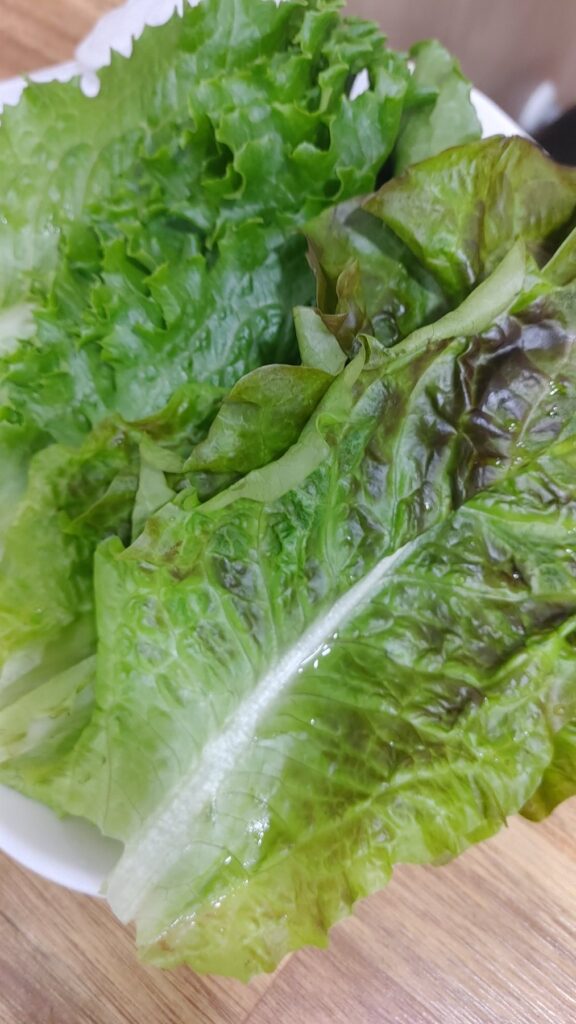
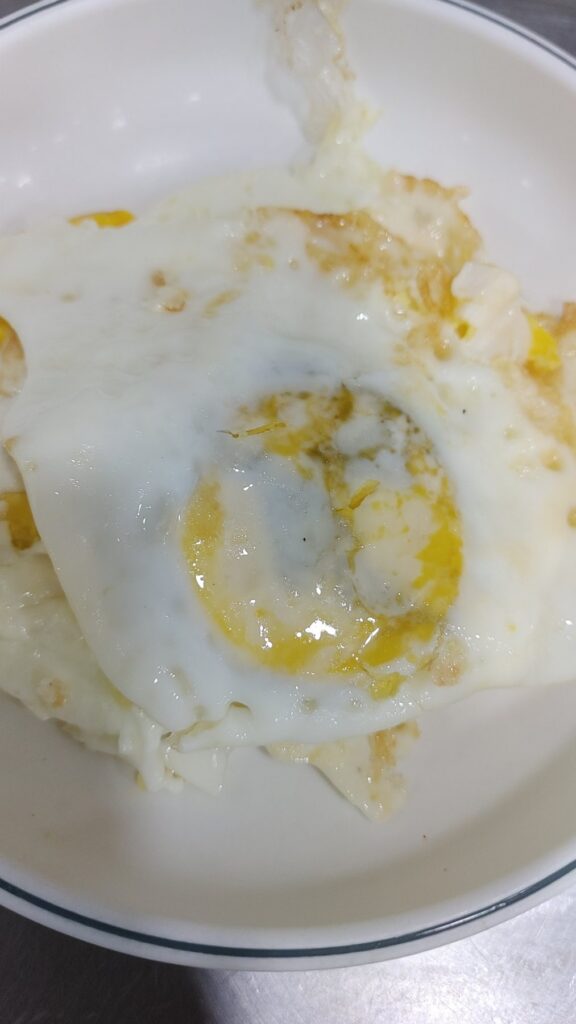
    The main dish was jeyuk bokkeum (spicy stir-fried pork), accompanied by fresh vegetables for wrapping (ssam) and doenjang (fermented soybean paste). The soup was comforting miyeok-guk (seaweed soup), along with acorn jelly (dotori-muk), kimchi, freshly made kimchi, stir-fried mushrooms, fried egg, and anchovies. There was one side dish whose name I can’t quite remember… oh yes, dolnamul—young shoots of a succulent plant seasoned with red pepper powder and various seasonings.

    In total, there were 8 side dishes, miyeok-guk, and jeyuk bokkeum, making 10 items altogether. Looking at the composition of the side dishes and meal, most are made with Korean ingredients.

    Miyeok-guk – Korea’s Traditional Health Food for New Mothers

    Traditional Korean miyeok-guk (seaweed soup) for postpartum mothers, comparing wild vs farmed seaweed
    Miyeok-guk

    Miyeok-guk has always appeared in the diet of new mothers after childbirth.

    To introduce miyeok-guk: it’s a soup made primarily with miyeok (seaweed). Miyeok is an annual brown algae mainly consumed in Korea and Japan. In Korea, new mothers who have just given birth always seek it out. Eating miyeok-guk is said to promote breast milk production for the baby, and because seaweed has alkaline properties, it’s believed to be excellent for detoxifying the body.

    When my wife gave birth to our first and second children, she ate miyeok for almost a month. This custom of eating miyeok-guk dates back to ancient times. When a baby was born, the maternal family would visit their daughter with the best quality miyeok they could prepare.

    Wild Seaweed (Dol-miyeok) vs Farmed Seaweed – What’s the Difference?

    In Korea, the most preferred and highest quality seaweed is dol-miyeok (stone seaweed), which refers to naturally harvested seaweed collected from rocks.

    There’s also farmed miyeok, which is cultivated directly in the ocean. Compared to dol-miyeok, farmed seaweed has a thinner texture. However, dol-miyeok requires longer cooking time, but offers a richer, more flavorful taste.

    The Essence of Korean Food I Prefer – ‘Minimally Processed Food’

    I’m not from a generation that grew up eating donkatsu (Japanese-style pork cutlet). I’m approaching 50 years old now. So I don’t prefer donkatsu, and I frequently encountered what I call ‘rough foods’ that my mother made for me.

    ‘Rough food’ refers to dishes made from pure, unprocessed ingredients as they are. Nowadays, there’s what’s called ultra-processed food—finely textured foods that are widely distributed. But when I was young, I encountered many foods made with minimally processed ingredients like these. Even now, when choosing a restaurant with family or work colleagues, I tend to prefer rough, minimally processed foods whenever possible.

    Why I Don’t Spend My Own Money on Donkatsu?

    Everyone has their own constitution. My body reacts to fried foods. I experience poor digestion or stomach discomfort after eating them. That’s why I avoid fried foods as much as possible. I’m 52 years old now, after all.

    However, I do prefer foods cooked with pork fat or beef fat. According to data released by the FDA in 2026, animal fats are healthier than factory-produced seed oils made from plant seeds. Furthermore, they stated that consuming fermented butter or pure butter is healthier. So these days, although it’s not traditional Korean food, I eat fermented pure butter on my table for health reasons. (When I was young, I used to eat margarine.)

    Lunch Culture in Yeouido Financial District – Fast and Efficient

    At 11:30 AM, restaurants start getting crowded with customers coming for lunch.

    Yeouido, where I work, is full of office workers. Yeouido is Korea’s financial district, home to securities firms, banks, and financial industry professionals. Think of it as Korea’s Wall Street.

    Because most people commute early in the morning, lunch time for financial district workers starts as early as 11:00 AM for reservations, with crowds flooding restaurants from 11:30 AM onwards. Therefore, going early, eating quickly, and leaving is considered a virtue.

    What I mean is, when I eat with colleagues at a restaurant, I usually don’t exceed 15 minutes. The restaurants crowded here also do their main business during the lunch rush, so diners generally don’t sit for extended periods. In other words, meal times range from 15 to 25 minutes at most.

    Slightly more expensive restaurants offer separate rooms for dining. It seems to be the mindset of office workers to finish their meal quickly and rest a bit.

    Of course, if you visit a restaurant, you don’t have to finish your meal in 15 minutes. You can eat at a more leisurely pace. It’s just that Korea has this ‘ppalli-ppalli’ (quickly-quickly) mentality.

    Conclusion – Memories and Traditions in Korean Dining

    At Korean baekban (home-style meal) or hanjeongsik restaurants, the side dishes change almost daily. And most of these side dishes are the same ones my father and mother made for me when I was young, carried down to this day. So when I see these side dishes and foods, they bring back old memories.

    • GMO 검역 정보 → 식품의약품안전처

    • 미역의 영양 성분 → 국가표준식품성분표 DB

    • FDA 2026 발표 자료 → www.fda.gov (seed oils vs animal fats)

    • Korean food culture→ 한식진흥원


    What Is Banchan?

    In Korean meals, side dishes are not extras but an essential part of the table, which explains why banchan matters so much.

    Why Rice Is the Foundation of Korean Meals

    Even during a busy workday, Koreans still try to keep meals balanced, which is why rice remains the foundation of Korean meals.

    Why Soup Is Served in Most Korean Meals

    Soup is always placed next to rice, showing why soup is served in most Korean meals, even at lunch.

  • What is Korean  Hanjeongsik? Complete Guide to Korea’s Traditional Full-Course Meal

    What is Korean Hanjeongsik? Complete Guide to Korea’s Traditional Full-Course Meal

    Are you looking for authentic Korean cuisine in Korea? From a Korean perspective, hanjeongsik represents the closest thing to a truly traditional Korean meal. When meeting friends for a special occasion or craving the flavors of childhood meals amidst modern dining options, Koreans turn to restaurants with “jeongsik” in their name. In Korea, the word “jeongsik” evokes images of various side dishes and a main course served together in harmony.

    Hanjeongsik is more than just a meal—it’s a culinary experience that connects modern Koreans with their traditional food heritage. This dining style emphasizes natural ingredients, balanced nutrition, and the philosophy of letting ingredients shine in their purest form.

    Understanding Hanjeongsik: Korea’s Traditional Full-Course Meal

    In Korean, “han” (한) means Korean, and “jeongsik” (정식) means a set meal or full-course meal(Korean version) . Together, hanjeongsik refers to a traditional Korean set meal featuring multiple dishes served together. Most side dishes (banchan) are prepared Korean-style, using traditional cooking methods and ingredients.

    Unlike modern Korean fusion dishes, authentic hanjeongsik typically excludes ingredients that were imported after the 2010s, such as chicken (Western-style fried chicken), tteokbokki made with newer ingredients, or pasta. However, the menu and banchan composition vary by restaurant, allowing chefs to showcase their unique interpretation of tradition.

    What Makes Hanjeongsik Special

    The biggest difference between hanjeongsik and other Korean meal options is the number of side dishes and the reduced use of sugar in seasoning. Hanjeongsik restaurants prioritize:

    • Natural ingredients: Fresh vegetables, quality meats, and Korean-made sauces
    • Ingredient-focused flavors: Dishes showcase the natural taste of ingredients rather than heavy seasoning
    • Minimal refined sugar: When sweetness is needed, restaurants use oligosaccharides, honey, or grain syrup (jocheong) instead of white sugar
    • Balance and variety: Multiple dishes provide nutritional balance and diverse flavors

    The result is food where you can truly taste the natural flavors of each ingredient. If you detect sweetness, it’s likely from natural sweeteners like honey or grain syrup rather than refined sugar.

    The Evolution of Modern Hanjeongsik

    Today’s hanjeongsik represents a modern interpretation of traditional Korean royal court cuisine (bansang charim). The meal structure has evolved to match contemporary dining preferences while maintaining its traditional essence.

    Typical Hanjeongsik Course Structure

    Modern hanjeongsik is served in courses, similar to Western fine dining:

    1. Appetizer (jeonchae): Porridge (juk) or salad
    2. Main course (juyo yori): Braised short ribs (galbijjim), grilled fish, or specialty dishes
    3. Meal (siksa): Rice, soup, and various banchan
    4. Dessert (husik): Traditional tea and seasonal fruits

    The exact composition varies by price point—higher-priced options feature more elaborate main courses and a greater variety of banchan.

    What’s on the Table?

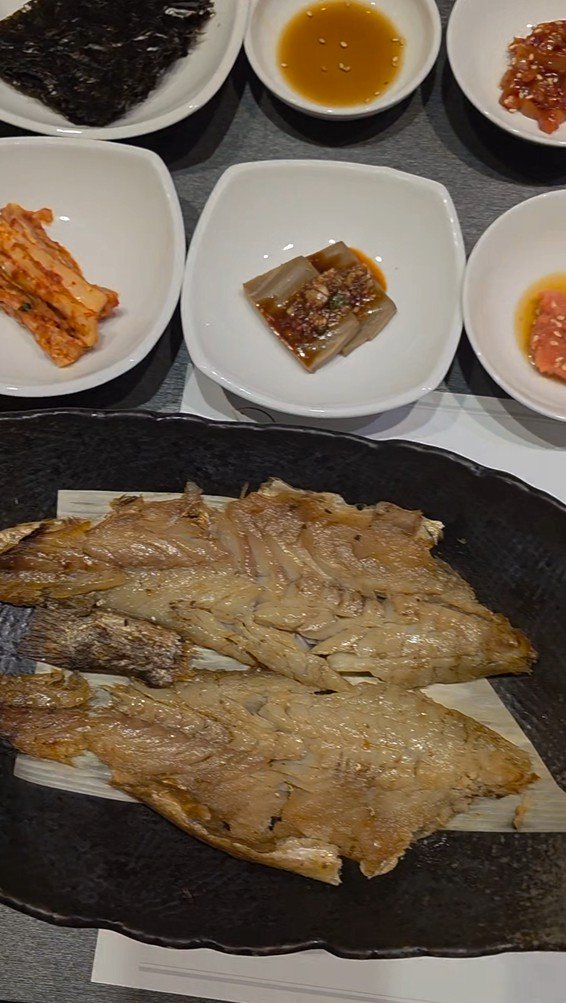
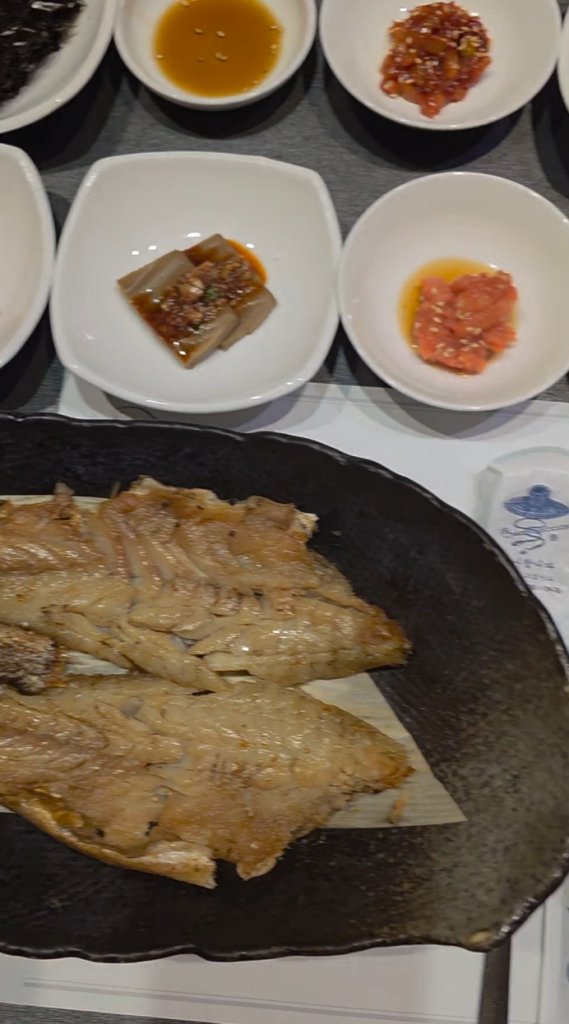
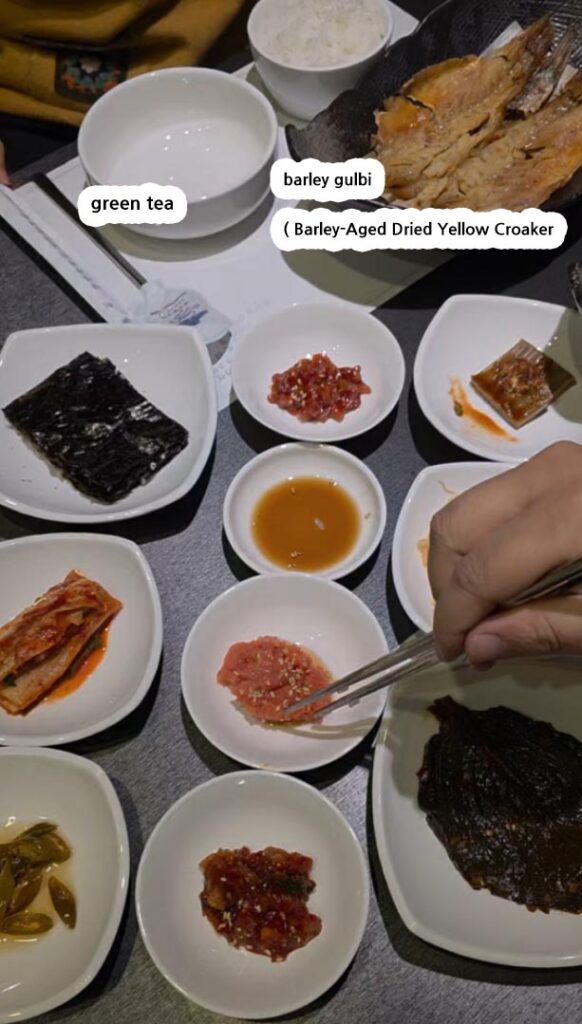
    I had a set meal of barley gulbi at a friends’ gathering today.

    bori-gulbi Hanjeongsik

    bori-gulbi Hanjeongsik’s banchan

    A typical hanjeongsik table is impressively abundant. Depending on the restaurant, you’ll receive:

    • Banchan (side dishes): Minimum 4-10 different dishes
    • Main course: Galbijjim (braised short ribs), grilled fish, or specialty dishes depending on the restaurant’s focus
    • Rice and soup: Freshly cooked rice and traditional Korean soup
    • Condiments: Various kimchis, pickled vegetables, and fermented sauces

    Pro tip: When visiting a hanjeongsik restaurant, pay attention to the restaurant’s name. For example, “Godeungeo Hanjeongsik” (mackerel hanjeongsik) indicates that mackerel is their specialty main course. This helps you choose the right restaurant for your preferences.

    Traditional Hanjeongsik Composition

    Traditionally, hanjeongsik emphasizes nutritional balance and harmony through diverse ingredients:

    • Proteins: Meat and fish prepared in various ways
    • Vegetables: Seasonal namul (seasoned vegetables)
    • Fermented foods: Different varieties of kimchi
    • Minimum variety: At least 6 different banchan

    Traditional Serving Order

    The classic hanjeongsik follows this sequence:

    1. Juk (porridge) or mul-kimchi (water kimchi): Light starters to prepare the palate
    2. Main dishes: Grilled (gui), braised (jorim), steamed (jjim), or pan-fried (jeon) dishes
    3. Meal: Banchan, soup (guk), and rice (bap)
    4. Dessert: Traditional tea and fresh fruit

    This is the structure you’ll find at completely traditional Korean restaurants. However, if you visit hanjeongsik restaurants throughout Korea today, expect the banchan selection to vary widely between establishments—each restaurant has its own unique combination.

    What Does Hanjeongsik Cost?

    Hanjeongsik pricing typically ranges from ₩20,000 to ₩100,000 per person (approximately $15-$75 USD). Menus list prices on a per-person basis.

    Sample Price Points

    Budget-friendly (₩20,000-₩30,000 / $15-$23):

    • Godeungeo jeongsik (mackerel set meal)
    • Basic banchan selection (6-8 dishes)
    • Standard portions

    Mid-range (₩30,000-₩50,000 / $23-$38):

    • Premium fish or meat main courses
    • Expanded banchan selection (9-12 dishes)
    • Better quality ingredients

    Premium (₩50,000-₩100,000 / $38-$75):

    • Specialty main courses (ganjang gejang – soy sauce marinated crab, premium galbi)
    • Extensive banchan variety (12+ dishes)
    • Top-quality ingredients
    • Elegant private dining rooms

    Hotel restaurants: Even higher prices, often ₩100,000+ per person

    For most Koreans, including myself (age 50), ₩30,000 per person is a common price point for a satisfying hanjeongsik experience.

    Real Hanjeongsik Experience: Mackerel Set Meal

    Yesterday, I attended a business meeting at a mackerel hanjeongsik restaurant. Here’s exactly what was served:

    Main course: 1 whole grilled mackerel (godeungeo gui) Accompaniments:

    • Steamed rice (bap)
    • Soup (guk)
    • 9 different banchan including:
      • Various kimchis
      • Pickled vegetables (jangajji)
      • Seasoned seaweed (gim)
      • Several types of jeotgal (salted fermented seafood)

    Total cost: Approximately $30 USD per person

    Each person receives their own main course and individual portions of banchan—everything is prepared separately for each diner, not shared family-style.

    When Do Koreans Choose Hanjeongsik?

    Hanjeongsik falls on the expensive side of Korean dining options, so it’s typically reserved for special occasions and important meetings.

    Common Occasions for Hanjeongsik

    Business meetings: When you need to impress clients or partners Family gatherings: Celebrations, holidays, or reunions Special occasions: Birthdays, anniversaries, or achievements Formal introductions: Meeting your partner’s family (sanggyeonrye) Entertaining visitors: Taking out-of-town guests for an authentic Korean experience

    In my neighborhood, the local hanjeongsik restaurant specializes in:

    • Main courses: Tteokgalbi (grilled short rib patties), galbijjim (braised short ribs), borigulbi (dried yellow croaker), ganjang gejang (soy sauce marinated crab)
    • Banchan: Japchae (glass noodles), various namul (seasoned vegetables), jeon (savory pancakes), multiple kimchi varieties

    Importantly, most hanjeongsik restaurants add little to no refined sugar in their banchan. If sugar is used at all, it’s in very minimal amounts, maintaining the philosophy of natural flavors.

    Hanjeongsik for Formal Family Meetings (Sanggyeonrye)

    When I first met my wife’s family and we held our sanggyeonrye (the formal meeting of both families before marriage), we chose a hanjeongsik restaurant. This tradition continues today because hanjeongsik provides:

    Appropriate atmosphere:

    • Elegant but not overly formal
    • Private dining rooms available
    • Quiet environment for conversation

    Traditional values:

    • Represents Korean cultural heritage
    • Shows respect through food quality
    • Comfortable setting for older generations

    Practical benefits:

    • Everyone can enjoy the variety
    • No need to order individually
    • Impressive presentation

    Sanggyeonrye Hanjeongsik Pricing

    For these important family meetings, expect to pay:

    • Standard restaurants: ₩30,000-₩100,000 per person
    • Hotel restaurants: Higher rates, often ₩100,000+

    My personal preference is around ₩30,000 per person, which provides excellent quality without being excessive.

    Hanjeongsik vs. Popular Korean Food Abroad

    At age 50, I’ve observed how Korean food is perceived internationally. Abroad, Korean cuisine is mostly known for:

    • Fried chicken (chikin)
    • Bibimbap
    • Samgyetang (ginseng chicken soup)
    • Bulgogi
    • Galbi (Korean BBQ ribs)

    These dishes are delicious, and my family enjoys them several times a month at home. However, they represent only a small slice of Korean culinary tradition.

    Hanjeongsik offers something different—an experience that showcases:

    • Traditional cooking methods
    • Seasonal, natural ingredients
    • Balanced nutrition
    • The full breadth of Korean cuisine
    • Minimal processing and artificial ingredients

    Why Choose Hanjeongsik: Perfect for Health-Conscious Diners

    If you’re looking for authentic Korean food with health benefits, hanjeongsik is the ideal choice.

    Health Benefits

    Natural ingredients:

    • Minimal processed foods
    • Fresh seasonal vegetables
    • Quality proteins
    • Traditional fermented foods

    Balanced nutrition:

    • Variety ensures diverse nutrients
    • Appropriate portion sizes
    • Natural seasonings
    • Fermented foods for gut health

    Diet-friendly:

    • Low in refined sugar
    • Emphasis on vegetables
    • Lean proteins available
    • Natural cooking methods (steaming, grilling, braising)

    Clean flavors:

    • Taste ingredients in their natural state
    • Less reliance on heavy seasoning
    • No overwhelming spiciness
    • Subtle, complex flavors

    Who Should Try Hanjeongsik?

    Hanjeongsik is perfect if you:

    • Want to experience authentic Korean cuisine
    • Prefer natural flavors over heavily seasoned food
    • Are health-conscious or following a diet
    • Want to avoid overly spicy, sweet, or salty dishes
    • Appreciate the natural taste and aroma of ingredients
    • Seek a balanced, nutritious meal
    • Want to understand traditional Korean food culture

    Finding Hanjeongsik Restaurants

    When searching for hanjeongsik restaurants in Korea:

    Look for these names:

    • [Specialty] + Hanjeongsik (e.g., “Godeungeo Hanjeongsik” for mackerel specialty)
    • [Region] + Hanjeongsik (e.g., “Jeonju Hanjeongsik” for Jeonju-style)
    • Traditional Korean Restaurant (전통 한식당)

    What to expect:

    • Per-person pricing clearly listed
    • Private rooms available for groups
    • Reservation recommended for weekends
    • Menu may be in Korean only (staff usually helpful)

    Popular areas for hanjeongsik in Seoul:

    • Insadong: Traditional atmosphere, tourist-friendly
    • Gangnam: Modern interpretations, higher prices
    • Jongno: Classic old-school restaurants
    • Hongdae: Modern fusion approaches

    Tips for Your First Hanjeongsik Experience

    Ordering:

    • Ask about the restaurant’s specialty main course
    • Price per person is clearly marked
    • Don’t be shy about asking for recommendations
    • Consider dietary restrictions when ordering

    Dining etiquette:

    • Don’t rush—hanjeongsik is meant to be savored
    • Try a little of each banchan
    • Refills on banchan are usually complimentary
    • Rice and soup typically come with refills

    What to expect:

    • Courses served sequentially
    • Individual portions of main course
    • Shared banchan table (some restaurants serve individual portions)
    • Final tea and fruit

    The Cultural Significance of Hanjeongsik

    Hanjeongsik represents more than just food—it’s a window into Korean values:

    Respect for ingredients: Using quality ingredients prepared simply Balance: Nutritional balance through variety Seasonality: Dishes change with the seasons Hospitality: Abundant food shows care for guests Tradition: Maintaining historical cooking methods Health: Food as medicine philosophy

    For Koreans, choosing hanjeongsik for special occasions isn’t just about the food—it’s about honoring tradition, showing respect, and creating meaningful shared experiences around the table.

    Conclusion: Experience Korea’s Culinary Heritage

    If you’re seeking the most authentic Korean dining experience, hanjeongsik offers an unmatched window into Korea’s rich food culture. Unlike the Korean dishes popular abroad—chicken, bibimbap, and bulgogi—hanjeongsik presents the full spectrum of Korean cuisine in its most traditional and refined form.

    With its emphasis on natural ingredients, minimal refined sugar, balanced nutrition, and the pure flavors of each component, hanjeongsik is perfect for health-conscious diners and anyone wanting to taste Korean food as it’s been enjoyed for centuries.

    Whether you’re in Korea for business or pleasure, treating yourself to a hanjeongsik meal at a traditional restaurant is an investment in experiencing Korean culture at its most delicious. And at around ₩30,000 per person, it’s an accessible luxury that provides far more than just a meal—it’s a cultural education on a plate.

    For reference, I’ve only listed the Korean cuisine I’ve tried. If you visit Korea, you’ll find a wide variety of Korean cuisine. For world-famous Korean cuisines, search for bulgogi Korean cuisine, galbi Korean cuisine, and croaker Korean cuisine by name. Japchae is served as a side dish. If japchae is served as a side dish after a Korean cuisine meal, you can get refills. In other words, if you ask for more japchae, it may be free, or in some cases, it may cost a few thousand won more.

    may be You Look like Korean Banchan

    Q: How much does hanjeongsik cost?

    A: Hanjeongsik typically costs ₩20,000-₩100,000 ($15-$75 USD) per person, with most restaurants offering quality meals around ₩30,000 per person.

    Q: What is served in a hanjeongsik meal?

    A: A hanjeongsik meal includes a main course (grilled fish, braised ribs, or specialty dish), rice, soup, and 4-10+ side dishes (banchan) featuring vegetables, kimchi, and traditional preparations.

    Q: Is hanjeongsik healthy?

    A: Yes, hanjeongsik is very healthy, using natural ingredients, minimal refined sugar, traditional cooking methods, and emphasizing balanced nutrition through variety. It’s good for your health because there are also fermented side dishes.

    Q: When do Koreans eat hanjeongsik?

    A: Koreans typically choose hanjeongsik for special occasions, business meetings, family gatherings, formal introductions, and when entertaining visitors.

    Q: What’s the difference between hanjeongsik and regular Korean food?

    A: Hanjeongsik features more side dishes, uses minimal refined sugar, emphasizes natural ingredient flavors, and follows traditional recipes, unlike modern Korean fusion dishes.
    These are the side dishes traditionally eaten in Korea before the widespread adoption of flour-based foods like pizza, hamburgers, pasta, and chicken. Therefore, some side dishes contain minimal or no artificial seasonings, flour, gluten, sugar, or corn syrup.

  • Why Korean Food Uses Fermentation : The Cultural Heritage Behind Korea’s Fermented Traditions

    Why Korean Food Uses Fermentation : The Cultural Heritage Behind Korea’s Fermented Traditions

    Korean cuisine is deeply rooted in fermentation culture. From kimchi and gochujang to jeotgal (fermented seafood) and traditional soy sauces, fermented foods form the backbone of Korean culinary identity. But why did fermentation become so central to Korean food? The answer lies in history, geography, and the remarkable ingenuity of Korean food preservation techniques.

    The Historical Origins of Fermented Foods

    Historically, humans have utilized fermented foods in various ways since nomadic times. Fermentation refers to foods that can be preserved without processing or made edible after preservation.

    Depending on the type of fermenting microorganisms and conditions, fermentation produces different substances and is widely used in food production.
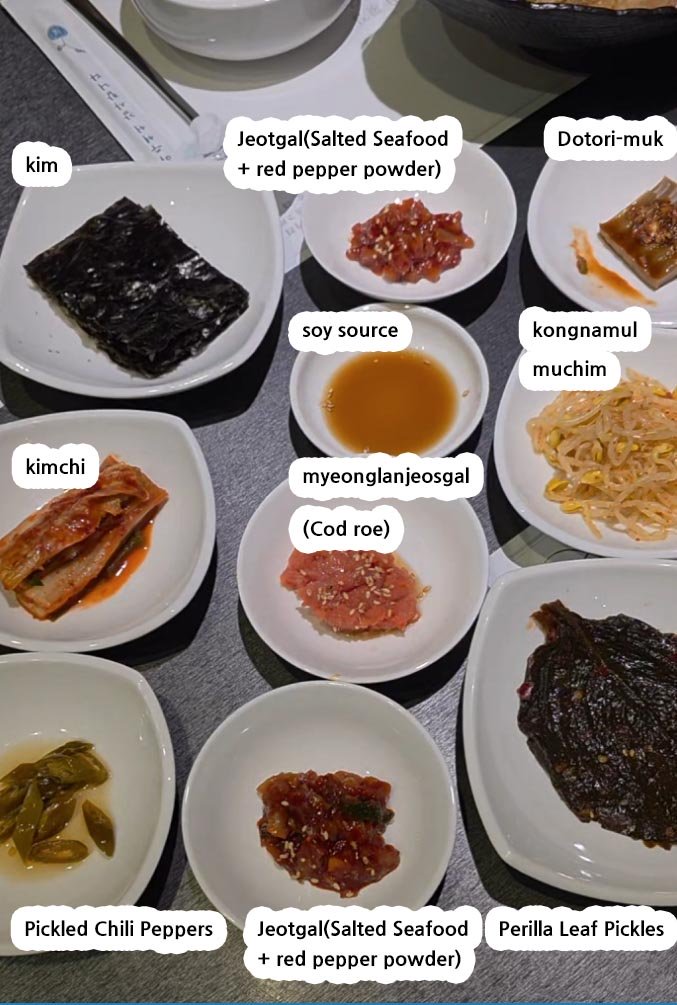
    Common fermented foods include alcoholic beverages, vinegar, dairy products (cheese, yogurt, butter), tea, tofu, condiments, and bread—all utilizing fermentation processes to create diverse food products.

    How Fermentation Extends Food Storage

    Through fermentation, beneficial bacteria multiply within food, preventing the growth and proliferation of harmful bacteria. This extends the shelf life of foods and makes storage easier. The most notable example is the physiological action of lactic acid bacteria, which aids digestion and improves flavor—quintessential characteristics of fermentation.

    Global Fermented Foods

    Every culture around the world has developed its own unique fermented foods. Representative examples include kimchi, pickled plums, and sauerkraut (fermented cabbage from Germany). Other iconic fermented foods include jang (soy sauce, doenjang, gochujang), various vinegars, alcoholic beverages, dairy products (cheese, yogurt), natto, bread, and jeotgal.

    When food undergoes fermentation, various new compounds are created that didn’t exist in the raw materials, enhancing nutritional value, palatability, and storage capacity. Originally developed to preserve ingredients, fermented foods improve taste, promote beneficial intestinal microbiota, and increase digestibility, offering numerous additional benefits.

    Why Fermentation Culture Thrived in Korea

    In the past, there were no refrigerators. To eat and store food throughout the seasons, various preservation methods were necessary. Korea’s four distinct seasons made preparing stored foods an annual ritual.

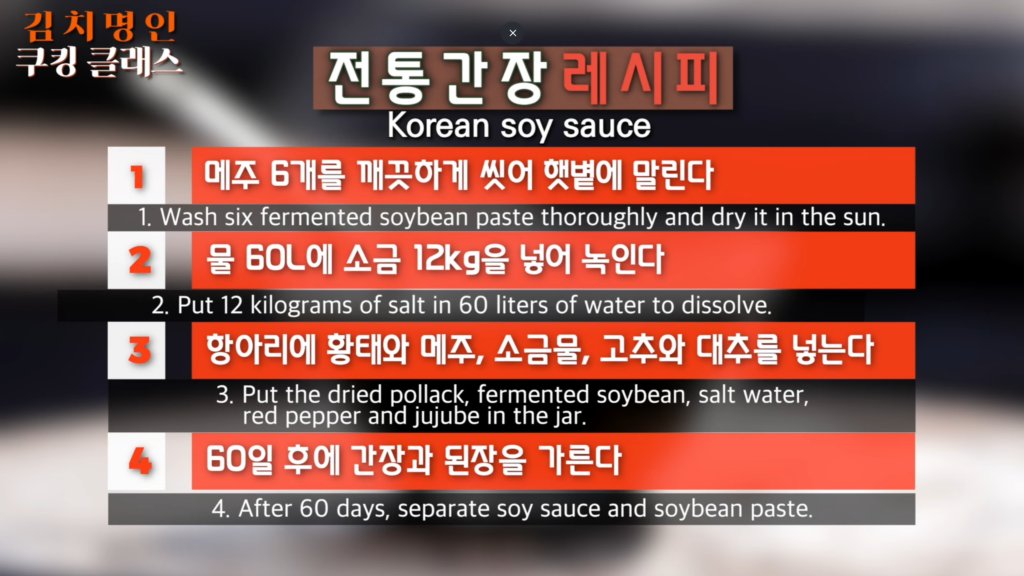
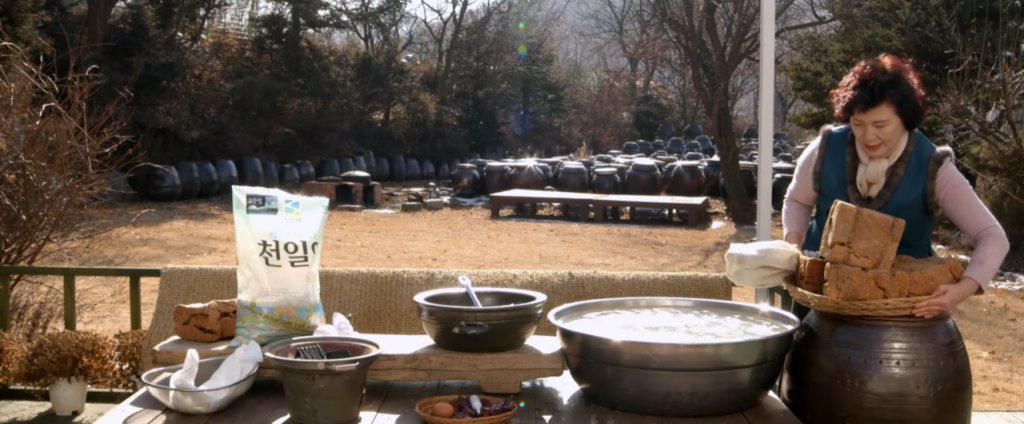
    How traditional soy sauce is made in Korea – original

    In spring, jang (fermented soy products) were made. In summer, jeotgal was prepared. When autumn arrived, vegetable cultivation was completed, and kimjang (kimchi-making for winter) was done to prepare for the approaching cold season. Even now in 2026, these seasonal traditions continue.

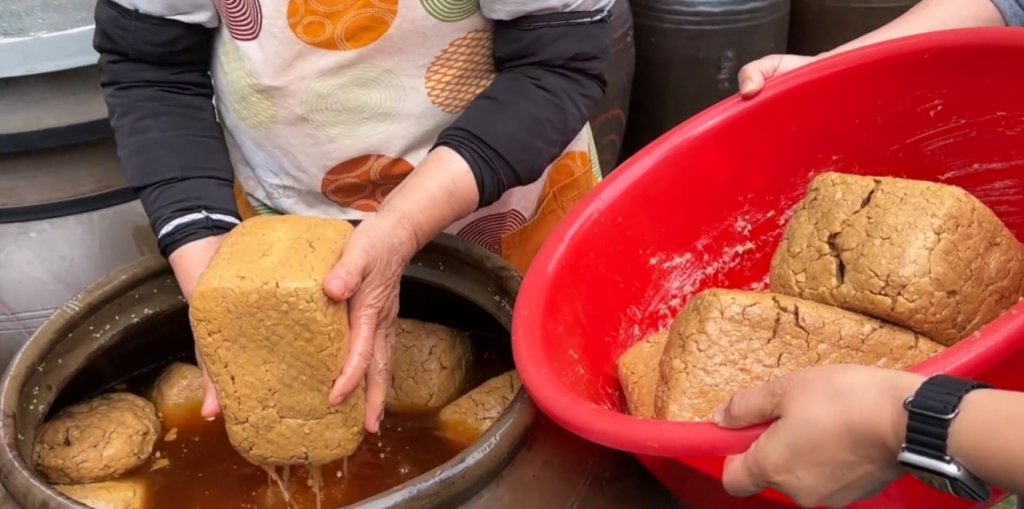
    How to make traditional soybean paste in Korea – All tools and equipment used in making soybean paste must be washed and prepared cleanly.

    Within this natural environment, fermented foods became representative of Korean food culture. Korean cuisine is fundamentally “fermentation culture”—a culture of waiting, of aging, of persistence and maturation. While people worldwide have their own ethnic fermented foods, Koreans have particularly loved and enjoyed fermented foods throughout history.

    A closer look at how traditional soybean paste is made in Korea

    Fermented Foods as the Foundation of Korean Meals

    Korean home cooking heavily relies on fermented ingredients. Ganjang (soy sauce), doenjang (soybean paste), jeotgal, and gochujang (red pepper paste) are all representative fermented foods used in Korean households.

    Korean dining tables frequently feature soups and stews seasoned with jang. Kimchi and jangajji (pickled vegetables) made by fermenting vegetables are indispensable. Jeotgal and sikhae (fermented fish dishes) made from fermented seafood also grace Korean tables.

    Grain-Based Fermented Foods in Korea

    Most Korean alcoholic beverages made from fermented grains, and the vinegar produced from them, represent a diverse and unique world of fermented foods. As an agricultural culture, Korea developed traditional jang products (soy sauce, doenjang, gochujang, cheonggukjang), vegetable fermented foods like kimchi and pickles, seafood fermented products like jeotgal, and grain-based fermented alcoholic beverages and vinegars.

    Korean fermented foods—jang, kimchi, jeotgal, and vinegar—are ultimately foods that share the same culinary philosophy.

    The traditional soybean paste making process in Korea – LINK

    The traditional soy sauce-making process in Korea – link

    The Ancient History of Korean Jang

    It’s difficult to pinpoint exactly when Koreans began making and consuming jang. Soybeans, native to the Manchurian region, are the main ingredient in jang products. It appears that people in Goguryeo began making jang from soybeans around the 3rd century. This product, called “si” (豉), was introduced to China and later spread to Japan around the 8th century during the Unified Silla period.

    Kimchi: Korea’s Iconic Fermented Vegetable

    Kimchi is Korea’s most representative fermented food, preserving vegetables through salting and fermentation while creating entirely new flavors. To store kimchi properly, the right temperature is essential.

    When I was young, when kimchi-making season arrived, we would dig a hole in the yard, bury large earthenware pots, and store kimchi inside after sealing them. We would then retrieve kimchi from these underground jars year-round. These days, people use kimchi refrigerators for year-round storage, but it’s hard to replicate that authentic taste. Natural fermentation differs from refrigerated fermentation. Perhaps the true flavor of fermented foods comes from the continuous interplay between imbalance and balance.

    Jeotgal: Korea’s Fermented Seafood Sauce

    Jeotgal is a sauce made by salting fish and preserving it for long periods through fermentation. Only salt and fish are used—nothing else. The fish are typically small varieties from the sea, such as anchovies, sand lance, or other small fish, mixed with salt and sealed for storage.

    The Nutritional Value of Jeotgal

    While kimchi provides essential nutrients like vitamins A, B, C, and calcium, jeotgal serves as a means to obtain animal protein, iron, calcium, phosphorus, and other minerals in inland areas. Geographically, there was distance between the sea and inland regions, and preservation methods at that time were limited to drying or salt-fermentation, as these prevented spoilage, enabled long-term storage, and provided rich nutritional content.

    The origins of both jeotgal and kimchi, like alcohol or yogurt, were likely spontaneous. Whether vegetables or fish, decomposition or fermentation naturally occurs in nature. Humans learned to distinguish which fish or vegetables decomposed by enzymes from fungi or mold were edible and which were not.

    Korean Alcohol and Vinegar: Connected Through Fermentation

    Alcohol and vinegar are also fermented products. Korea has many types of vinegar: apple vinegar, persimmon vinegar (gamcho), and various others, each with its own unique flavor and aroma.

    There’s a Korean saying: “If alcohol turns sour, make it into vinegar.” This comes from the tradition of fermenting leftover household alcohol to make vinegar. In Korean history, the origins of “alcohol and vinegar” are closely intertwined.

    Makgeolli: Korea’s Traditional Fermented Rice Wine

    The most popular fermented alcoholic beverage in Korea is makgeolli (rice wine). Vinegar was made by further fermenting makgeolli. Makgeolli vinegar paired best with Korean cuisine. Dishes like seasoned skate, seasoned hairtail, and seasoned fermented skate needed makgeolli vinegar to bring out their authentic flavors—a different taste from Western fruit vinegars like apple vinegar.

    In historical texts, vinegar is referred to as “cho” (醋), which contains the character for alcohol (酉), indicating that vinegar originated from alcohol. Vinegar was once called “gocho” (苦醋), meaning “bitter alcohol,” and this term appears frequently in ancient literature. The culture of brewing alcohol naturally evolved into producing this important sour seasoning.

    Modern Fermented Foods in 2026

    Currently in 2026, commercially available vinegar and jeotgal are mass-produced and sold in large quantities at supermarkets. With advances in scientific technology, the fermentation industry has evolved from natural fermentation to selecting microorganisms and controlling fermentation conditions, enabling the production of desired end products.

    As the functional benefits of fermented foods gain attention, research continues into developing functional foods and pharmaceutical products. Studies are also actively developing functional substances extracted from fermented foods as new materials.

    The Global Recognition of Korean Fermented Foods

    Korea’s unique fermented foods serve as seasonings that influence the taste of other side dishes in Korean meals while also holding significant value as standalone dishes. Research has shown that kimchi and doenjang produce various substances during fermentation that have anti-cancer effects and help prevent chronic diseases, bringing attention to fermented foods as beneficial for health.

    In 2013, Korean kimjang—the practice of making kimchi—was inscribed on UNESCO’s Representative List of the Intangible Cultural Heritage of Humanity, introducing Korean kimchi to the world. In 2018, Korean “jang-making” was designated as a National Intangible Cultural Heritage. The Korean Cultural Heritage Committee selected “Korea’s Traditional Jang Culture” as a candidate for the 2023 UNESCO Intangible Cultural Heritage Representative List.

    How to Enjoy Fermented Kimchi Abroad

    For those eating Korean fermented foods overseas, here’s a simple tip: When you buy kimchi from a supermarket or Korean grocery store, don’t refrigerate it immediately. Keep it at room temperature for 1-3 days. This allows fermentation to continue, developing a richer sour and tangy flavor. In Korean, we say the kimchi “ripens.”

    Authentic kimchi is not a sweet food. While some modern recipes add a spoonful of sugar, traditional kimchi contains no sugar. Even when I make quick geotjeori (fresh kimchi) at home, I never add sugar. In many ways, kimchi is a sugar-free food.

    What Is Korean Food?

    Fermentation is one of the key foundations that explains what Korean food is and why its flavors are so distinctive.


    Why Korean Food Tastes Different

    The deep and layered flavors of Korean cuisine come largely from fermentation, which explains why Korean food tastes different from many other cuisines.


    Is Korean Food Healthy?

    Because fermented foods support digestion and gut health, they play a major role in why Korean food is often considered healthy.