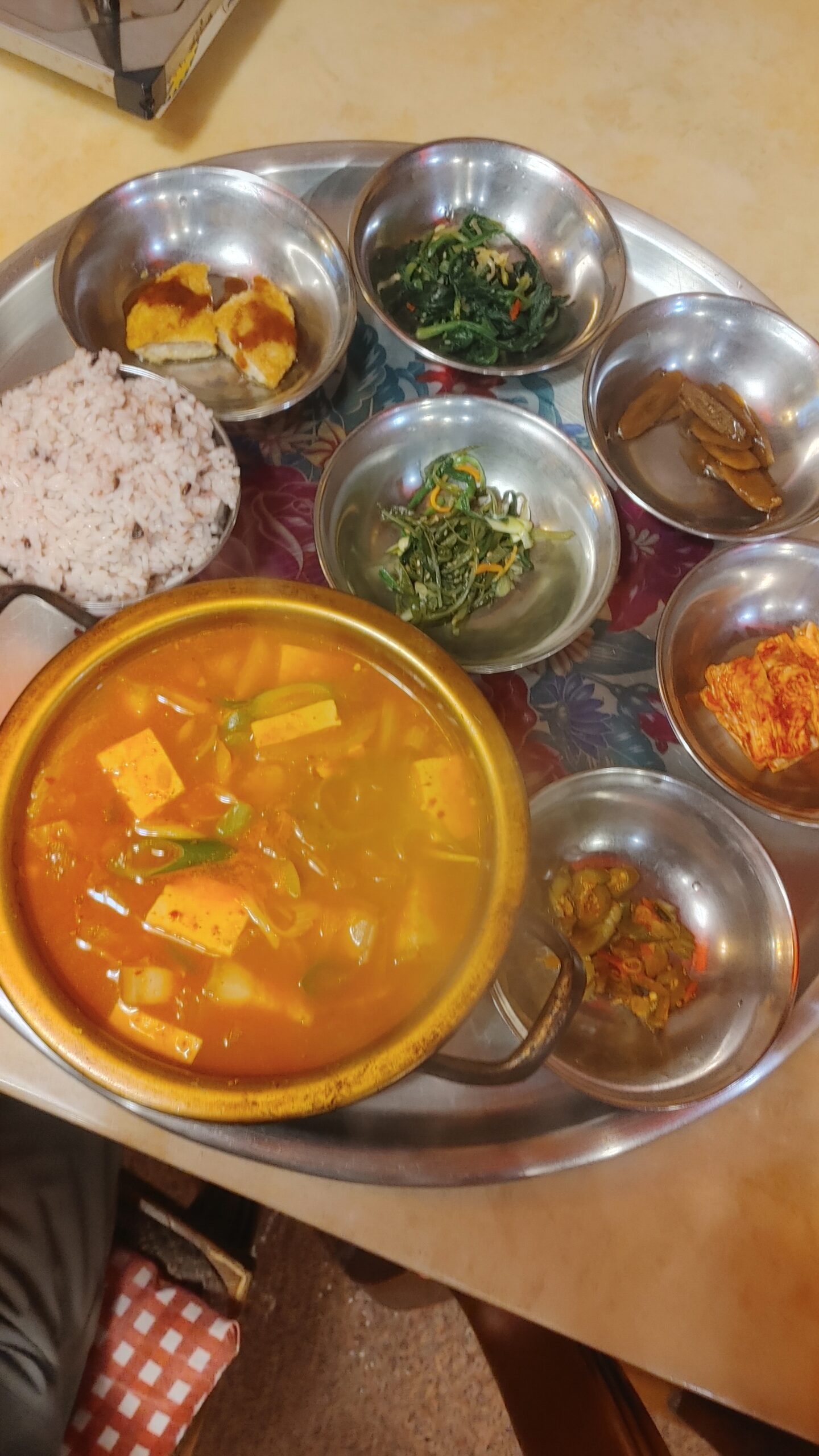
When Korean office workers think about where to have a simple, satisfying lunch, most of them will immediately think of baekban.
It would be hard to find anyone who disagrees. Baekban restaurants serve meals based on their own unique recipes — a variety of side dishes that taste just like home-cooked food. Nothing overly fancy, nothing too heavy, just honest, familiar food that warms the stomach.
The reason baekban is so widely preferred is simple: the side dishes closely resemble what you would eat at home. Personally, I visit a baekban restaurant at least three times a week during my lunch break. It is that kind of place — reliable, comforting, and never tiring.
A well-known baekban restaurant will typically offer gajeongsik baekban (home-style baekban), where the soup and side dishes change every single day. The side dishes rotate with the seasons, and some restaurants even adjust the menu based on the weather and temperature of that day. As you get older, you tend to gravitate away from flashy restaurant meals and toward the simple, nostalgic flavors that remind you of what your mother used to cook.
1. The Meaning and Origin of Baekban
What Baekban Originally Meant
The word baekban (白飯) literally means “white rice.” Historically, it referred to a simple rice-centered meal table. In traditional Korean dining, the principle is hansang charrim — everything served on the table at once. The foundation is a bowl of steamed white rice, accompanied by soup, fermented pastes such as doenjang (soybean paste) or gochujang (red pepper paste), and a few side dishes. This is the baekban table in its most authentic form.
The spirit of baekban is deeply rooted in restraint. Even during the Joseon dynasty, the royal table reflected this philosophy. When a drought came and a rain-prayer ceremony was held, the king would reduce the number of dishes on his own table — a meal known as soseon (素膳), or a plain, modest table. Meat dishes were set aside. Even tofu was sometimes removed. Baekban was not a meal of poverty — it was a meal of discipline.
Baekban also varies by region. In coastal areas, jeotgal (fermented seafood) is a defining feature of the table. In winter, a well-fermented kimchi alongside steamed rice is enough to make a complete and satisfying meal. A famous example is Yokjaengi Halmeonim Jip (the “Scolding Grandmother’s Restaurant”) in Pocheon, Gyeonggi-do, known for its hearty siraegi doenjang-guk (dried radish greens soybean paste soup). Meat and tofu dishes are available as add-ons, but the soul of the meal is in its simplicity.
2. The Components of Baekban
The Basic Structure: Rice + Soup + Side Dishes
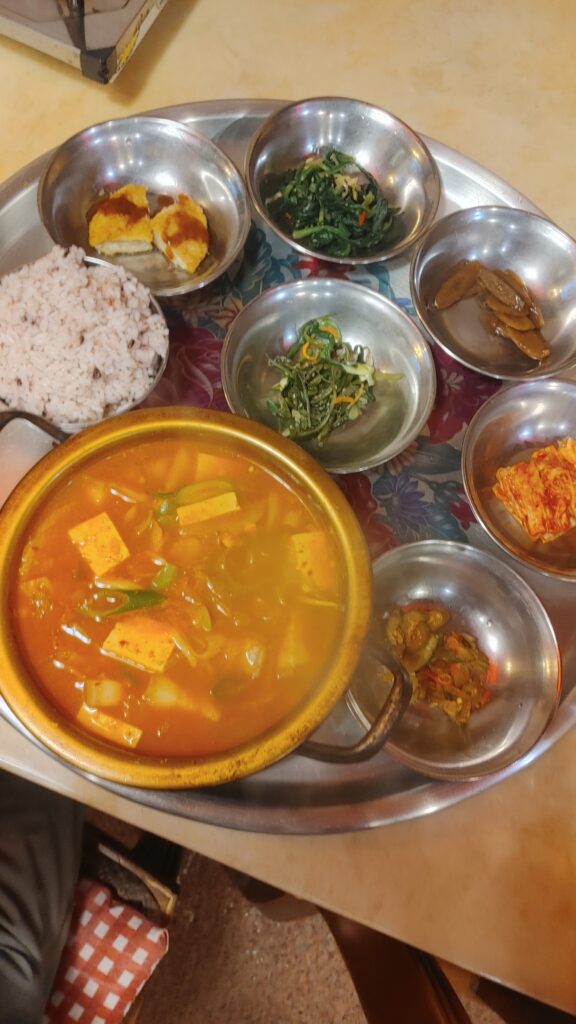
The core of baekban is straightforward — steamed rice, soup (or jjigae), and a selection of side dishes. But within that simplicity lies the depth of Korean food culture.
Depending on the restaurant, soup may come as a default, or the meal may be centered around a jjigae such as kimchi jjigae or doenjang jjigae. When a jjigae is ordered, a separate soup is usually not served, but the standard side dishes always come with the meal. What makes baekban special is that the side dish selection changes daily, entirely at the owner’s discretion — making every visit feel slightly different.
How the Seasons Change Baekban
One of the most distinctive qualities of baekban is that side dishes change with the seasons. From a restaurant owner’s perspective, sourcing seasonal ingredients keeps costs manageable while delivering better flavor. Seasonal vegetables are fresher, tastier, and less expensive — a win for everyone.
- Spring: Shepherd’s purse (naengimuchim), wild chives (dallaemuchim), spring greens
- Summer: Cucumber salad, eggplant namul, yeolmu kimchi
- Autumn: Mushroom stir-fry, sweet potato stem, radish salad
- Winter: Burdock braised (ueongjjorim), blanched spinach, bean sprouts, cabbage and radish dishes
This seasonal rhythm is felt more vividly in rural and regional baekban restaurants than in Seoul. Local restaurants tend to source directly from nearby farms, giving the side dishes a distinctly regional character.
3. Types of Baekban
Baekban vs Hanjeongsik — What Is the Difference?
Many people confuse baekban with hanjeongsik, but the two are quite different in character, price, and occasion.
| Baekban | Hanjeongsik | |
|---|---|---|
| Character | Casual, home-style everyday meal | Refined, course-style Korean cuisine |
| Composition | Rice, soup, jjigae, 3–5 side dishes | Gujeolpan, sinseollo, premium dishes |
| Price (per person) | Around 10,000 KRW | 20,000–50,000+ KRW |
| Occasion | Daily dining | Special occasions, formal gatherings |
Hanjeongsik is short for “Korean food formal course meal.” The name changes depending on what the main dish is — galbi hanjeongsik (braised short ribs), gulbi hanjeongsik (dried yellow croaker), Nando hanjeongsik (Southern Korean style), or gungjoong-sik (royal court cuisine). Each region has developed its own version of hanjeongsik, driven by local specialties and ingredients.
For context, hanjeongsik is typically reserved for milestone events — a sanggyeolle (formal family meeting before a wedding), a child’s first birthday (doljanchi), or important business dinners. Baekban, on the other hand, is simply Tuesday lunch.
Gajeongsik Baekban — Home-Style Baekban
Gajeongsik baekban is the type of baekban that most closely resembles a meal made at home. The side dishes are simple, easy to prepare, and deeply familiar — anchovy stir-fry (myeolchi-bokkeum), egg dishes, and various seasoned vegetables.
There is also a quiet nutritional thoughtfulness behind gajeongsik baekban. Anchovy stir-fry is rich in calcium, beneficial for bone health. Eggs provide essential protein. Mothers who prepare baekban at home often select organic vegetables and free-range eggs, thinking carefully about what goes into each dish. The irony, of course, is that the child who grew up eating all of this will inevitably end up drinking cola at 20 — but that is a different story.
4. Baekban, Nutrition, and Health
Is Baekban Good for a Diet?
Honestly, when someone asks whether baekban is good for weight loss, the answer is — relatively, yes. In a modern food environment full of fast food, fried chicken, pizza, sugary drinks, and processed snacks, baekban sits at the opposite end of the spectrum.
A bowl of rice in a baekban meal is roughly equivalent in calories to two slices of white bread. The side dishes are made from whole, natural ingredients — not heavily processed or refined. Meat dishes do appear in baekban, but the portion is modest. The majority of the plate consists of vegetables, fermented foods, and grains.
Many young Koreans today skip a proper lunch and instead consume high-sugar coffee drinks, pastries, or snacks. Compared to that kind of meal pattern, a full baekban set — with its variety of ingredients and balanced nutritional profile — is far better for long-term health and weight management. It is not a flashy diet food, but it is quietly one of the healthiest options available for an everyday meal.
5. How to Find and Use a Good Baekban Restaurant
Finding the Best Baekban Restaurant
The easiest and most reliable way to find a good baekban restaurant is to check Google Maps ratings and reviews. If you are visiting Korea as a foreigner, this is especially useful because reviews are written by actual visitors and often include photos and pricing.
Search tip: Instead of searching only “baekban,” also try “hanjeongsik” or “jeongsiк” — you will get a wider range of results, including highly-rated options nearby. The key is to read the reviews carefully and look at the photos to understand what kind of food is being served.
Practical Tips for First-Time Visitors
Check the price on the wall: Every baekban restaurant displays its menu and prices on the wall. It will be in Korean, but the owner will happily explain if you ask.
Refills are often available: Side dishes can be left unfinished — there is no pressure to eat everything. If you particularly enjoy one of the side dishes and finish it, ask for a refill. Most baekban restaurants will refill side dishes either for free or for a small charge.
Extra rice: If you finish your rice and want more, ask for an extra bowl of rice (gongibap). It typically costs around 1,000 KRW, though this varies by restaurant.
Dining with young children: If you are visiting with a child aged 7 or under, it is perfectly acceptable to ask whether ordering for two adults is fine. If you feel more comfortable ordering three portions, take the opportunity to try different menu items — you do not have to order the same dish three times. For children, gyeran-mali (Korean rolled omelette) is a great choice if the restaurant has it on the menu.
Average Price Range
- Regional cities: 8,000–9,000 KRW per person
- Seoul and Gyeonggi area: 10,000–15,000 KRW per person
- Hanjeongsik: 20,000–50,000+ KRW per person
As a general rule, higher price means more side dishes and higher-quality ingredients.
FAQ
Q. How much does a baekban meal cost?
Typically around 10,000 KRW per person. In regional cities, you can find it for 8,000–9,000 KRW. In Seoul and the surrounding Gyeonggi area, expect to pay 10,000–15,000 KRW. More expensive sets come with more side dishes.
Q. What is the difference between baekban and jeongsiк?
Baekban is a casual, home-style rice meal. Jeongsik (or hanjeongsik) is a more structured, course-style meal with premium ingredients and a refined presentation. Think of baekban as everyday comfort food, and jeongsik as a meal for special occasions.
Q. Why is baekban recommended for foreign visitors?
Because a single baekban meal introduces you to a wide variety of Korean ingredients and cooking methods all at once. Moreover, the flavor and style of baekban changes depending on where in Korea the restaurant owner is from — a chef from Jeolla-do will serve something quite different from one raised in Gyeongsang-do or Jeju. Each table tells a regional story.
Why Koreans Love Baekban?
Eating baekban brings back memories of home — of the town where you grew up and the meals your mother made. It does not overwhelm you. It does not tire you. You can eat it every day and never feel like it is too much.
For modern Koreans exhausted by food that is too salty, too sweet, too greasy, or too processed, baekban offers something rare: a meal that simply comforts. It asks nothing of you. It just feeds you well.
If you are ever traveling through Korea’s regions, make a point of trying the local hanjeongsik at least once. And if you find yourself in Jeolla-do (South Jeolla Province), be prepared to be genuinely surprised — the number of side dishes placed on your table will likely be unlike anything you have experienced before. Baekban at its finest is not just a meal. It is a small act of care, passed from one table to the next.
Jungsik vs Baekban
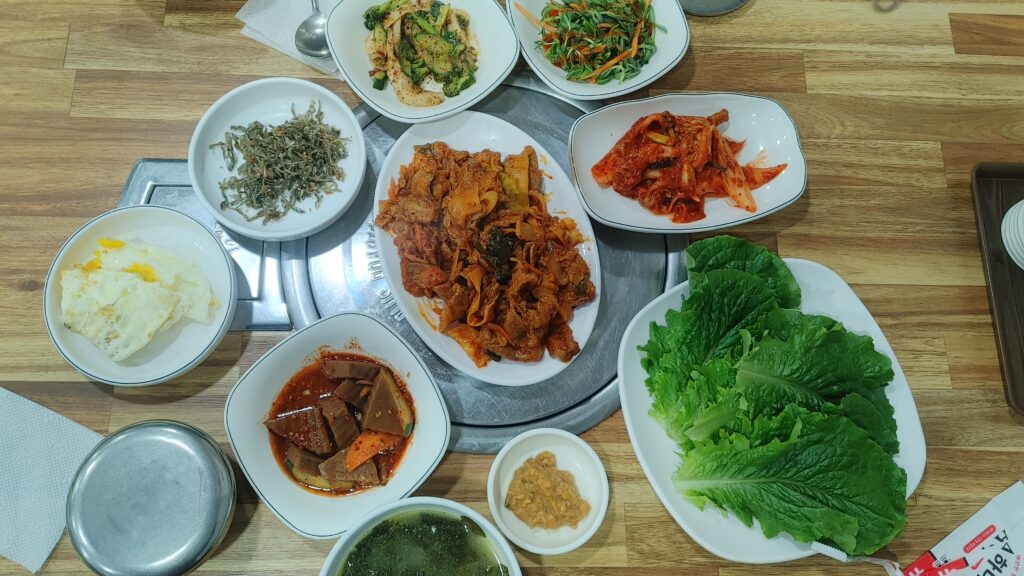
You need more interest – What is Banchan? and What is hanjeongsik?
Leave a Reply